
Why Suppressors Are Gaining Popularity Today
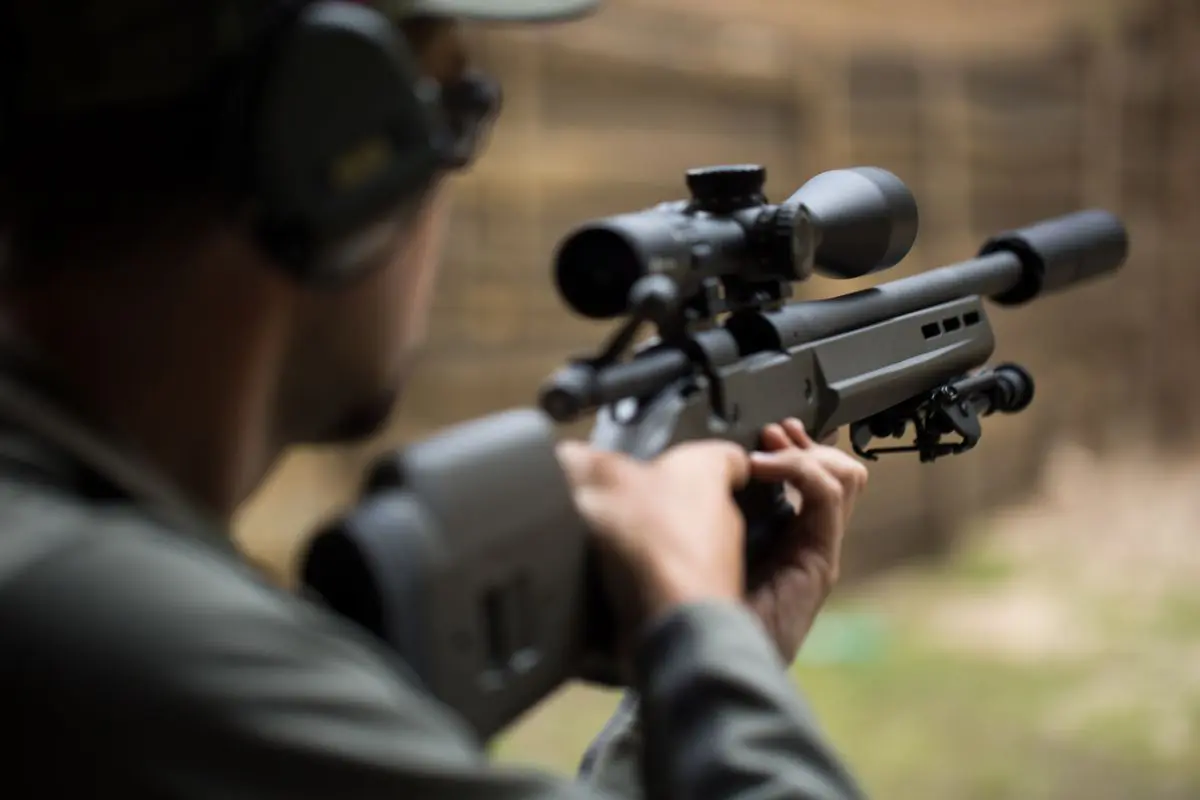
Silent Advantage: Why Suppressors Are Gaining Popularity
It would be understandable to think that suppressors (or silencers, as they are legally known) are new to the scene. However, suppressors have been around for over a century. The first patent was filed in 1909 by Hiram Maxim; they quickly became popular with sportsmen. In 1934, they were placed under the National Firearms Act (NFA) amid fears of criminal use. Ownership wasn’t banned, but a $200 tax stamp was added, which at the time was prohibitively expensive. In the late 20th and early 21st centuries, they became synonymous with elite special forces units, while today they are fielded by a myriad of troops. Recently, the tax stamp was reduced to $0, and AFT paperwork has been reduced from months to days. This has caught the interest of previously uninterested shooters—and helps explain why suppressors are gaining popularity across the country.
Dispelling the Rumors
The legal term “silencer”, along with Hollywood, has worked to the detriment of the industry, as the term “Silencer” would lead the uneducated to believe that assassins will be walking the streets undetected. The truth is, the average suppressor only reduces a gunshot by 20-40 decibels, hardly silent, but enough to improve safety and comfort, which is a major reason why suppressors are gaining popularity among both new and experienced shooters. This makes them a great tool for introducing new shooters and making the experience more pleasant for everyone involved.
The suppressor industry has exploded in the last few years, with innovations coming seemingly every week. This is great for end users, but it can be overwhelming for someone looking to get into suppressors. To make this digestible, I’ll break it down into 4 major categories: construction, material, attachment methods, and use case.
Construction
Traditionally, suppressors were made of a main tube with baffles welded inside, much like a car muffler. This worked great for a long time and still does; many quality, cost-effective suppressors are still made this way. However, welds can fail. And there are limits to the complexity that this method can produce. The industry has benefited from advances in CNC machining, and most recently, 3D printing seems to be the way of the future. These can create extremely complex designs from a monolithic piece of material. The trade-offs are cost, as machining these is extremely expensive (for now). Also, there are concerns about durability with these more complex designs.
Material
Three materials make up the bulk of the market today. First, we have stainless steel is the workhorse of the industry. It is strong and cost-effective, great for taming big magnum rifles. The trade-off is that it is heavy and not as heat-resistant as some new materials. Next, we have titanium. It’s ultra-lightweight and corrosion-resistant. Great for when ounces really matter. Downside: higher cost, not as durable as the other materials; additionally, titanium can produce a larger flash when fired at night, if that is where you find yourself. Lastly, we have Inconel. It is space-age superalloy shows incredible promise for heavy-duty suppressors. It’s extremely heat- and corrosion-resistant. It can handle incredible abuse like being attached to a belt-fed machine gun. The downside of this material is its high cost and its slightly heavier weight than stainless steel.
Attachment Method
The way the suppressors are attached to the barrel was once the most difficult part of choosing a suppressor. You either had to thread one directly onto your barrel or choose a muzzle adaptor, which essentially meant committing to a single manufacturer, since most used proprietary mounting devices. Thankfully, in 2014, the industry came together to decide on a thread pattern. The 1.375X24 Hybrid Universal Base or “HUB”. This meant that you could mix and match suppressors and muzzle devices so long as they are “HUB compatible”, which more and more manufacturers offer.
Use Case
The question, “What is it for?” should really drive your purchase. What kind of gun is it going to be on? A bolt/lever action will work with most anything. But a semi-auto, you may want a “reduced blowback” to vent gas away for the shooter. If weight is a primary concern, consider titanium. If maximum durability is what you’re after, consider stainless or Inconel.
What’s the Catch?
Like anything, there are tradeoffs. While there are clear benefits explaining why suppressors are gaining popularity, there are still a few tradeoffs to consider. First is the obvious legal issue. Suppressors are currently legal in 42 states and for hunting in 41. While the tax stamp is now free, there is still extra paperwork and a wait time. Another issue is that you are introducing a variable into your setup. Any time you add something to the end of your barrel, there will be a point-of-impact shift. Some setups have less than others, but there is nonetheless a shift. This will need to be accounted for. Additionally, every time you remove and reinstall a suppressor, it can undergo a process called “seating.” This is where small incongruities settle in during the first few shots, and your groups tighten up again.
For this reason, I recommend that anyone planning to hunt with a suppressed firearm leave it on all season, if possible. This can be difficult if you are traveling with a long-barreled rifle. A suppressor on the end of that may be difficult to fit in a case without breaking down, so you will need to spend some time and ammo to ensure your suppressor is seated.
Next Steps
If you want to start shooting suppressed, but still aren’t sure where to begin. I usually advise people to start with a suppressor that is “magnum rated” and “hub compatible” in the largest caliber they plan to shoot. For most people, that is either .30- or .45-caliber. This way, one suppressor can handle everything from big Magnums down to varmint rounds. You won’t get maximum sound suppression with smaller rounds, but you’ll get more versatility. With threaded barrels becoming the industry standard, you can either mount directly to your barrel or use a muzzle device. You should now have a solid idea of where to start, but if you still need some assistance, local gun shops are a great place to start. There are vendors that specialize in suppressor sales who can point you in the right direction and walk you through the process.
Final Thoughts on Suppressors
At the end of the day, suppressors aren’t nearly as complicated as they may seem at first glance. While the industry continues to evolve with new materials, designs, and mounting options, the fundamentals remain the same. You need to match the suppressor to your firearm, your style of shooting, and your intended use. Whether you prioritize weight, durability, or versatility, there is a solution out there that fits your needs.
Like any piece of gear, a suppressor is an investment. Taking the time to understand the basics will not only help you make a smarter purchase, but also ensure you get the most out of it in the field or at the range. Find a local gun shop that can help give you a step-by-step overview of the process so you know what to expect. They also have feed-back from customers and manufacturers and can help you pick out the best one for your needs. The learning curve may seem steep, but once you step into the suppressed world, it’s hard to go back.
June 2026
By Marvin Lester
Give us a Follow on Facebook for Upcoming Issues and More!