What Makes a Great Food Plot
What Makes a Great Food Plot
Spring is just around the corner, and getting food plots started always comes to mind. Food plots are crucial, whether you’re setting up a safe place for wildlife to forage through the winter or to help target game species during hunting season. Here are 5 things that will help you make the most of your land and benefit the wildlife that call it home.
Equipment
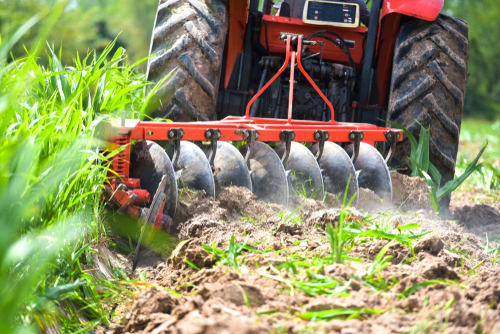
Depending on how big your plot will be, a subcompact tractor is huge for discing, plowing, planting, and many other steps that come with getting your plot started. Planters or seed drills are a must if you plan on planting big plots with larger crops such as sorghum or corn because they need an adequate soil depth. If you go this route, be sure to calibrate the planter or drill to the rate at which you wish to plant (most seed bags have the seeding rate on them). For planting deer blends like clover or turnips, a simple hand spreader can make great use of a smaller plot. ATV’s and UTV’s are also great tools to use with many manufacturers developing attaching similar to those of tractors that do the same job like plows, seeders, and mowers.
Soil Health
It never hurts to get a soil test done to see how acidic or basic the dirt you’re working with is. It simply determines the nutrient value your soil holds, and with that, you can determine if you need to apply fertilizer and how much you need to apply as well. If fertilizer is needed, you can typically get some from your local co-op. This ensures that you’re getting the biggest bang for your buck when it comes to optimal yield from whatever crops you choose to plant.
Field Prep
Now that we’ve discussed equipment and soil health, here are some of the techniques you can use to get your field prepped and ready to plant. Discing or plowing is an excellent way to get seed onto bare soil for the best chance of germination. Be aware of unexposed rocks, as they will be a headache down the road. If you plan on using a no-till drill or corn planter, be sure to spray down any weeds and unwanted grasses to eliminate any competition for the seed you plant. You can usually have the local co-op come spray or become certified to spray your own plots. Always remember to read the label and follow label directions when applying chemicals. Always pay attention to the weather as well to minimize drift.
Timing
Knowing when to plant is very crucial for any food plot setting. If you’re planting sunflowers, corn, or soybeans, you’re going to want to start planting early for those plants to go to seed before the season. With sunflowers as well, you’ll want to mow off a few rows, as doves are ground feeders and getting those big seed heads on the ground will draw more birds. For autumn food plots, prepping and planting in July to early August will be your best bet to have green forage to hold the deer well into late season.
Plant For Your Target Species
There are a variety of different blends of seeds from various companies. Most things you’ll plant are annual, like your deer mixes, grains like corn and sorghum, and legumes, but some are perennial, like clover and native mixes. Corn and soybeans are great choices for food plots, but diversity can help you gain the upper hand on whatever you’re chasing.
Ultimately, it’s up to you what you want to plant to get the job done. Clover is an excellent option for all-around low maintenance and easy establishment, and is perfect for deer and hatchlings of turkeys, pheasant, and quail. Just be sure to mow once a year when the flowers go to seed to get regrowth for next year. For more of a late-season food source for deer, plant a late autumn mix of brassicas, turnips, radishes, and other leafy greens. Winter wheat is another great choice for late-season food. For birds, sorghum is a game changer that provides cover during the growing season, and when winter rolls around, the seed head drops down for birds to feed on.
Design It
For this, you can plant in a traditional square plot or in longer two to three planter rows that creates a ‘strip’. Sorghum and corn can also be planted for a ‘screen’ to help conceal you. For example, plant sorghum closer to your stand early in the year to let it grow up, then plant your fall blend as your primary food source. One perennial I don’t recommend is using miscanthus as a screen as it is invasive and hard to control once it’s established. If you’re wanting to get a nice perennial screen, native grasses with big bluestem, indiangrass, and switchgrass grow exceedingly well and are loved by the wildlife. For waterfowl, things like millet and smartweed are a great food source. To get this growing, find shallow areas along ponds and wetlands, roughly 1-6” deep, and broadcast the seed.
Whether you want to hold that mature whitetail or get more birds to frequent your property, take this advice and add it to your arsenal. Food plots are a definitive tool that allows the sportsmen and women to get close and personal with the game they pursue and put the odds in their favor. Good luck with your future projects and happy hunting!
April 2026
By Cole Rozendaal