
Waterfowl Habitat Keeps the Flyway Alive
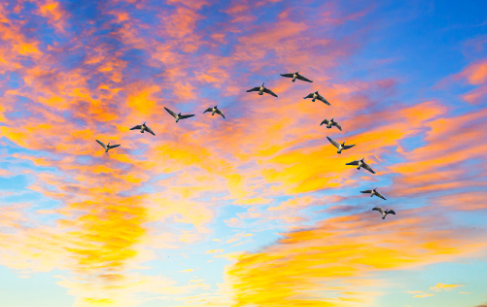
Waterfowl Habitat Keeps the Flyway Alive
There’s something about waterfowl season that sticks with you long after the last flock fades over the tree line. It’s the early mornings when the world is still dark and quiet while you’re heading to the marsh you’ve hunted a hundred times before. It’s the smell of wet cattails, the crunch of frost under your boots, and the low murmur of voices as decoys are tossed into water by feel. Long before the first hint of sunrise, there’s already a sense that the day will be remembered—whether the birds cooperate or not.
Some of the best memories aren’t even about the shooting. They’re about watching the sky slowly change color while ducks start to circle just out of range. When they’re dropping into a spread that finally looks “right” after hours of waiting. It’s the shared laughs over coffee in a thermos, with your kids, dad, or uncles. This creates the stories that get retold every year in the off-season like they just happened yesterday. Waterfowl hunting is something you carry with you everywhere you go.
The Migration
The fall flight starts with a small change in the air. Shorter days and the first cool breeze tell the early birds it is time to head south. This trip is not just a flight from the cold; it is a smart way for the birds to stay alive, find food, and get ready to raise their young next spring.
While big storms can clear out a marsh fast, day length is the main trigger for early ducks like teal and shovelers. These species often leave before the thermometer even drops. Hardier birds like mallards, geese, and swans stay put much longer, only moving when solid ice covers their food and water.
To find their way across the changing landscape, waterfowl use sharp eyes, memory, and the earth’s natural magnetic lines. Young birds learn big landmarks like rivers and hills on their first trip south. Birds that fly at night use the stars and an inner compass to stay on track, letting them find the exact same wetlands year after year.
The Three Core Needs
Waterfowl habitat is the fuel that keeps this entire migration moving. Because flying thousands of miles takes an immense amount of energy, ducks and geese cannot make the trip in one single flight. They rely on a network of healthy wetlands, rivers, and fields along their route to survive the long journey.
These areas act like crucial highway rest stops. First, they provide high-energy food, like plants and bugs, which the birds need to rebuild their fat reserves. Second, wetlands give them a safe place to rest and hide from predators when they get tired. If these vital spots disappear, the birds are forced to fly farther on empty tanks. This can lead to exhaustion, disease, and fewer birds returning to raise young next spring.
Waterfowl habitat really comes down to three core needs: food, water, and cover. Ducks and geese are not randomly choosing wetlands; they are keying in on very specific features that help them survive the migration, wintering, and nesting seasons.
Water
At the most basic level, waterfowl prefer wetlands that provide shallow water. Shallow flooded areas are especially important because they allow ducks to tip up and feed efficiently on seeds, aquatic plants, and invertebrates. Ideal depths are often just a few inches to a couple of feet.
Food
Food availability is the biggest driver of where birds land. In the Midwest, ducks heavily rely on waste grain like corn, soybeans, and small grains. They also target moist-soil plants like smartweed and millet, alongside native aquatic vegetation. These areas act like natural buffets during migration.
Cover
Cover is just as important as food. Waterfowl need safe resting and loafing areas that protect them from predators and harsh weather. That is where wetlands with dense emergent vegetation, like cattails, bulrush, and reed canary grass, come into play. The best habitat is always a mix: open water for landing and feeding, combined with nearby cover for security.
Nesting ducks also look for slightly different conditions than migrating flocks. Species like mallards prefer grasslands near wetlands, especially areas with thick residual cover left over from the previous year. Nests are often placed in dense grass or hayfields, far enough from water to reduce the risk of land predators, but close enough for easy access to food once the ducklings hatch.
Why Habitat Diversity Matters
One of the most important concepts in waterfowl management is diversity. A single wetland type rarely provides everything ducks need. The most productive landscapes include a mix of shallow marshes, seasonal wetlands, grasslands, and agricultural fields.
In the Midwest, especially Iowa, this rich mix used to occur naturally across the prairie landscape. Today, much of that historic ground has been converted to agriculture, which makes dedicated conservation programs even more important for maintaining healthy waterfowl populations.
There are several federal programs through the USDA and the Farm Service Agency (FSA), as well as partner agencies, that directly support waterfowl habitat creation and restoration. These programs are the main reason quality duck habitat still exists across much of the agricultural Midwest.
One of the most important programs for upland nesting habitat is CRP. It pays landowners to take highly erodible or environmentally sensitive cropland out of production and plant native grasses and wildflowers instead. For waterfowl, CRP grasslands are critical nesting cover. In places like Iowa, CRP fields provide secure nesting sites for mallards and other ducks, especially when located near wetlands or potholes. Many programs also include buffer strips around waterways, which help improve water quality in wetlands and downstream habitat.
WRE focuses specifically on restoring and protecting wetlands. Through this program, landowners voluntarily place easements on their property, allowing degraded wetlands to be restored back to their natural function. These restored wetlands provide shallow-water feeding areas, seasonal flood storage, and excellent resting habitat for migrating waterfowl. In many cases, drained farmland is converted back into functioning marshes that closely resemble historic prairie wetlands.
EQIP provides financial and technical assistance to farmers and landowners who want to improve environmental conditions on their active land. While it is broader than just wildlife habitat, it is frequently used for practices that benefit waterfowl. Examples include installing water control structures in wetlands. Also, planting cover crops that provide seasonal forage, improving grazing management in wetland areas, and restoring grass buffers around ponds and streams.
Putting It All Together
Healthy waterfowl habitat is not just about one isolated pond or a single field; it is about connected landscapes. Ducks need nesting cover in the spring. They need shallow wetlands full of food during migration, and safe resting areas throughout the year.
Programs through the USDA and FSA have become essential tools in rebuilding and maintaining that habitat across the Midwest. Without them, much of the nesting and migration habitat that waterfowl rely on today simply would not exist. For landowners and hunters alike, these programs are one of the most important investments we can make in the future of wetland conservation.