
Trapping Beaver Through Iowa Ice
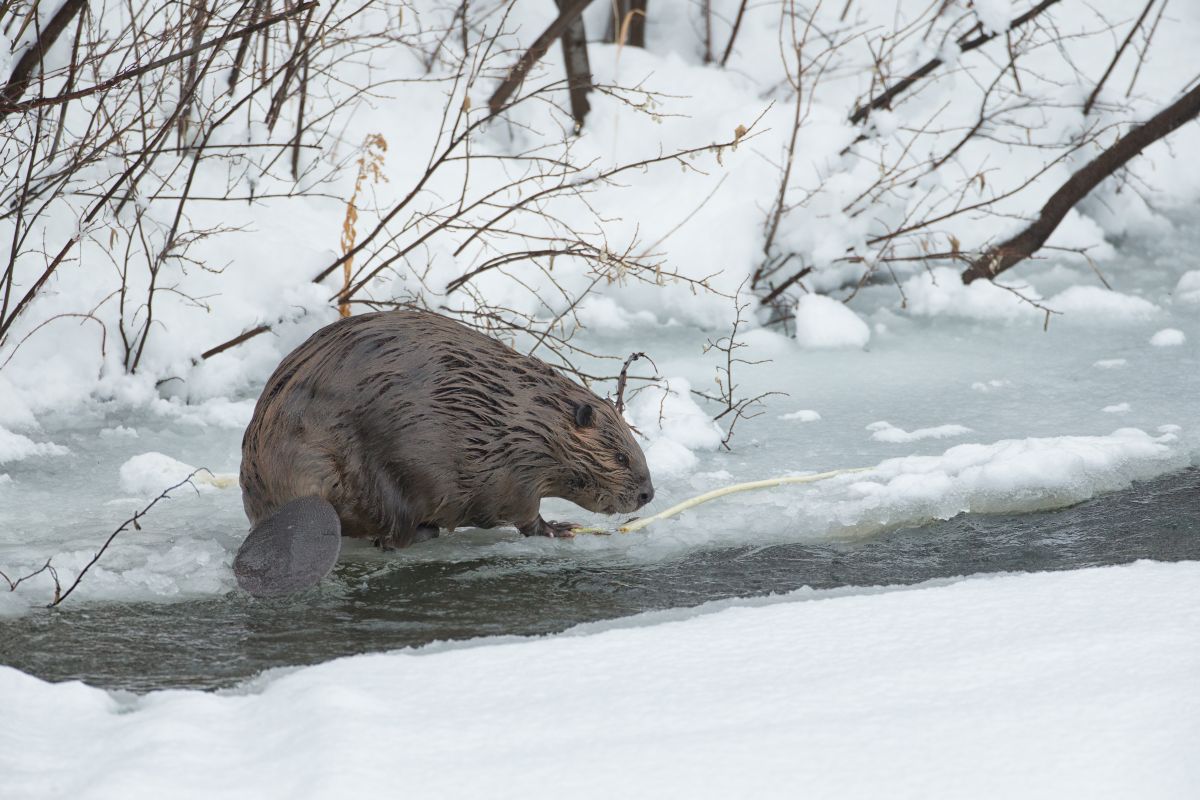
Trapping Beaver Through Iowa Ice
Trapping beaver beneath the ice during late winter is one of the most reliable ways to trap in Iowa. When lakes, ponds, and sloughs freeze over, beaver movements become easy to predict, their food supply is fixed in place, and their sign is simple to read if you know what to look for. To succeed under the ice, you must understand beaver habits, pinpoint the best locations, and use the right equipment and setup.
Beaver Life Below the Ice
Once ice forms, beavers adopt an almost completely submerged existence. They travel mostly underwater between their homes (lodges or bank dens) and their sunken food caches. In Iowa, these caches usually consist of hard wood—like cottonwood, willow, ash, and oak—stored near their primary den entrance.
Beaver rely on established, underwater pathways, called “runs,” that connect their living quarters to their winter food piles and dam structures. Identifying these runs is the first secret to successful winter trapping. Unlike open-water trapping where you might use bait, here you are targeting the beaver’s habitual travel routes. You need to be careful when you’re trapping bever. Once, I fell through the ice. Because the agitate the water, the ice is thinner in these runs.
The best places for successful under-ice sets in Iowa are:
1. Lodge and Bank Den Access Points
Lodges are found in deeper bodies of water, while bank dens are typical in creeks and drainage ditches. Key indicators for entrances include air bubbles or discolored ice, or sticks frozen near the surface. Place traps slightly away from the entrance to avoid detection.
2. Feed Caches and Piles
An underwater stockpile of freshly cut branches, called a feed bed, is a prime spot, especially late in the season. Since beavers must visit these constantly, setting a bodygrip trap in the run leading to the cache is highly effective.
3. Well-Used Underwater Runs
You can find these trails by cutting test holes between the lodge and the feed area, then probing with a stick or spud bar. Once located, these constricted paths are perfect for blind sets.
4. Constricted Dam Areas
Where beaver tunnels pass through or over a dam under the ice, the channel narrows, naturally funneling beaver movement directly into a set.
Essential Trapping Gear
Conibear / Bodygrip Traps (The Go-To Choice)
In Iowa, the #330 conibear is the standard trap for under-ice beaver due to its 10×10 spread, which ensures a quick and ethical dispatch for adult beaver. For smaller waterways or tighter runs, the #280 can work, but the #330 remains the most flexible choice. Remember the #330 must be completely underwater when making a set in Iowa.
Foothold Traps (Rarely Used)
While footholds are occasionally used near feed beds or entrances with proper drowning rigs, bodygrips are generally safer and more efficient for frozen conditions.
Setting Up the Trap
Step 1: Prep the Ice
Use a chainsaw or ice chisel to create a large, workable rectangular or triangular hole. Make sure to remove all ice chunks.
Step 2: Install the Blind Set
Do not use bait. Place the bodygrip trap directly in the run, ensuring it is level and square, with the jaws positioned perpendicular to the beaver’s path of travel.
Step 3: Secure and Stabilize
A stable trap is essential. Use sturdy wooden stakes driven into the bottom mud or cross-sticks to hold the trap steady and prevent tilting. Get it in there well, because big bever can put up a good fight. In deep water, you can suspend the trap from a pole resting on the ice.
Step 4: Use Subtle Guiding
A few peeled sticks placed minimally can help guide the beaver into the trap without causing alarm. Do not use excessive blocking, which can make the beaver wary.
Step 5: Tie Off Securely
Always anchor the trap securely to strong stakes, poles, or the lodge itself. Ice shift and water movement can easily displace poorly secured traps. Finally cover the hole with a piece of plywood or foam board to keep water from refreezing over the trap. This will save you a lot of time when checking your sets.
When to Trap and Safety Notes
The peak season in Iowa is usually late January through early March, when the ice is thick enough to be safe, but beavers are still actively feeding. Always confirm ice thickness, and use safety gear like ice cleats and flotation devices. It’s safest to work with a partner whenever trapping beavers on the ice.
Regulations
Remember that Iowa mandates specific season dates, trap tagging requirements, and legal trap types. Always check current regulations. Setting bodygrip traps under the ice is widely considered one of the most effective and humane methods when executed properly.
Closing
Under-ice beaver trapping in Iowa is a matter of precision rather than attraction. By locating the runs and setting solid blind traps, you can rely on the beaver’s routine to do the rest. With safe ice, sharp tools, and disciplined set placement, few methods are as dependable or as satisfying as pulling a 330 from a frozen Iowa waterway with a 60lb blanket attached to the trap.
Final Thought
I encourage you to take every opportunity to introduce men, women and youth into trapping. As the number of trappers decline, it’s vital that we work to preserve this way of life that helped build our great country.
March 2026
By Aaron McKinney
For Leading Dairy and Cattle Industry News: