
The New Age of Trail Cameras
The New Age of Trail Cameras
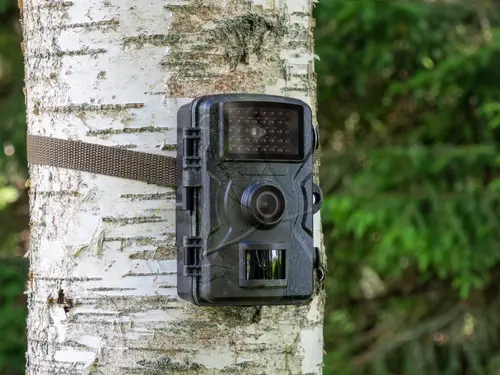
For many hunters, trail cameras have become as essential as a good pair of boots or a reliable bow. They’re your eyes when you can’t, or don’t want to, be in the timber. As we move into 2026, trailcamera technology continues to shape how hunters gather information, pattern deer, and hunt this season. Cellular trail cameras have been game changers for a lot of users in Iowa. They not only capture what’s going on but will send those images straight to your phone in real time. These cameras have changed the way hunters monitor their land, and the newest generation brings even more capability, efficiency, and reliability.
Before diving into what’s new, it’s important to remember that trailcamera use, especially cellular models, comes with rules. The last couple of years we’ve seen legislation and rumors about banning trail cameras on public land, and the discussion on using cellular cameras for fair-chase conditions. Hunters must stay familiar with state regulations, fair chase ethics, and land use laws. Whether you hunt private ground or public land, always read the current regulations and understand what is and isn’t allowed. Technology should enhance the hunt, not replace the ethics that make it meaningful.
The Rise of Smarter Cellular Cameras
Cellular trail cameras have been around for several years, but 2026 models are faster, more efficient, and more reliable than ever before. Instead of simply sending photos, many now transmit high-resolution images, short video clips, and even real-time alerts when a deer enters the frame. Improved antennas, trigger speeds, and multicarrier support allow cameras to automatically connect to the strongest signal available, reducing the frustration of spotty coverage in remote areas.
Battery life has also taken a major step forward. New low-power sensors, improved sleep-mode algorithms, and solar-assist panels allow cameras to run longer with fewer battery changes. I have friends that have a solar panel, and they can go years without having to check the batteries. Hunters who manage multiple cameras across large properties will appreciate the reduced time spent checking equipment. Less human intrusion means less pressure on deer, one of the biggest advantages of cellular technology.
Another major improvement is image clarity. Advances in lens coatings, nighttime illumination, and motion-trigger sensitivity allow cameras to capture sharper photos with less blur. Even nighttime images, once grainy and washed out, now show clearer detail. This helps hunters identify individual bucks, track antler growth, and understand movement patterns with greater accuracy.
Cellular Camera Beneficits
The biggest advantage of cellular trail cameras is simple: they reduce human pressure. Every time a hunter enters the woods to check a camera, they leave scent, noise, and disturbance behind. Mature bucks notice these intrusions quickly, and repeated visits can push them into new bedding areas or shift their movement to nighttime. Cellular cameras eliminate the need for frequent trips, allowing hunters to gather information without stepping foot into sensitive areas.
Cellular cameras also help hunters make better decisions. Real‑time updates allow you to see when deer begin shifting patterns, when bachelor groups break up, or when a target buck starts daylighting. This information can guide stand placement, entry routes, and timing. Instead of guessing, hunters can make informed choices based on current activity.
For hunters who manage multiple properties, or who live far from their hunting ground, cellular cameras are invaluable. They allow you to stay connected to your land even when life gets busy. A quick glance at your phone can tell you what’s happening miles away, giving you confidence in your scouting and preparation.
These features don’t replace woodsmanship, but they do strengthen it. They give hunters more information to interpret, more clues to follow, and more confidence in their decisions.
Fair Chase and Legal Considerations
With powerful tools comes the responsibility to use them ethically. Cellular trail cameras walk a fine line in some states, and regulations vary widely. Some states restrict real-time transmission during hunting seasons, while others limit camera placement on public land. A few states have banned certain types of cameras altogether.
Hunters must read their state’s rules every year. Regulations change, and ignorance is never an excuse. Fair chase principles also matter. Technology should never give hunters an unfair advantage or turn the hunt into a guaranteed outcome. Cellular cameras should be used for scouting, not for guiding immediate action based on a photo that arrives while you’re in the stand.
On private land, always get permission before placing cameras. On public land, follow all posted rules, respect other hunters, and avoid placing cameras in high traffic areas where they may interfere with others’ experiences.
New Features for 2026
Trailcamera innovation is accelerating, and 2026 brings several standout upgrades. One of the biggest leaps is improved AI filtering. Cameras can now identify deer, turkeys, predators, vehicles, and humans automatically, cutting down the time hunters spend sorting through wind triggered or empty images.
Another major advancement is heatmapping and movement tracking. Some systems analyze where deer appear most often and generate visual maps of high traffic zones. This gives hunters a clearer picture of how deer use terrain throughout the season. Multicamera platforms also allow several units to sync data, creating a connected timeline of movement across an entire property rather than isolated snapshots.
Weather integration has become far more sophisticated as well. Cameras can pair images with temperature, wind direction, moon phase, and barometric pressure, helping hunters spot patterns tied to environmental changes. What once required hours of manual notetaking is now built directly into predictive activity models. Security has also improved, with new antitheft alerts, GPS tracking, and tamper notifications protecting cameras placed in remote or high traffic areas.
The rise of cellular cameras has also pushed development of photo-management apps that help hunters organize and analyze their data. These apps store thousands of images, sort them by species, time of day, or camera location, and keep years of history without filling your phone. Advanced versions let hunters create profiles for individual deer, track movement over time, and pin photos to map locations for a visual layout of travel routes. Many include activity charts showing peak movement times, preferred winds, and seasonal pattern shifts.
Together, these tools turn raw images into meaningful insight. Instead of simply seeing deer, hunters can understand deer and how they move, where they feed, and when they’re most likely to appear.
The Future of Trail Cameras
As 2026 unfolds, trail‑camera technology will continue to evolve. Cameras will become smarter, more efficient, and more connected. The heart of hunting remains the same. Trail cameras are tools, valuable ones, but they don’t replace time in the woods, careful observation, or the instincts built through years of experience.
Used responsibly, cellular trail cameras help hunters scout more effectively, reduce pressure, and make better decisions. They allow us to learn more about the animals we pursue while keeping the hunt fair, ethical, and rooted in tradition. The future of scouting is bright, and the tools at our fingertips have never been better. Use them wisely and read the rules, respect the land, honor fair chase, and let technology enhance, not replace, the craft of hunting.
Follow us on Facebook! The Iowa Sportsman | Facebook