
The Ice-Out Frenzy: Iowa’s Best Kept Catfish Secret
The Ice-Out Frenzy: Iowa’s Best Kept Catfish Secret
In Iowa, March catfishing is a legendary “ice-out” tradition that brings some of the fastest action you’ll see all year. Even though some fishermen think you need the sweltering heat of a June summer to catch cats, the real “addicts” and die-hards know that early spring is actually a total goldmine. It’s a different kind of fishing that is short-lived but intense.
The bite usually kicks off the second the ice starts pulling away from the banks, which typically happens around early to mid-March. Of course, Iowa weather can be unpredictable, so it might happen a bit earlier or later depending on the year. If you’re down in Southern Iowa, you’ll probably see the action first, since those ponds and lakes usually thaw out a week or two before the natural lakes up north. You can definitely catch them in the icy water, but things really start hopping once the water hits 40°F.
Best Conditions for March Catfishing
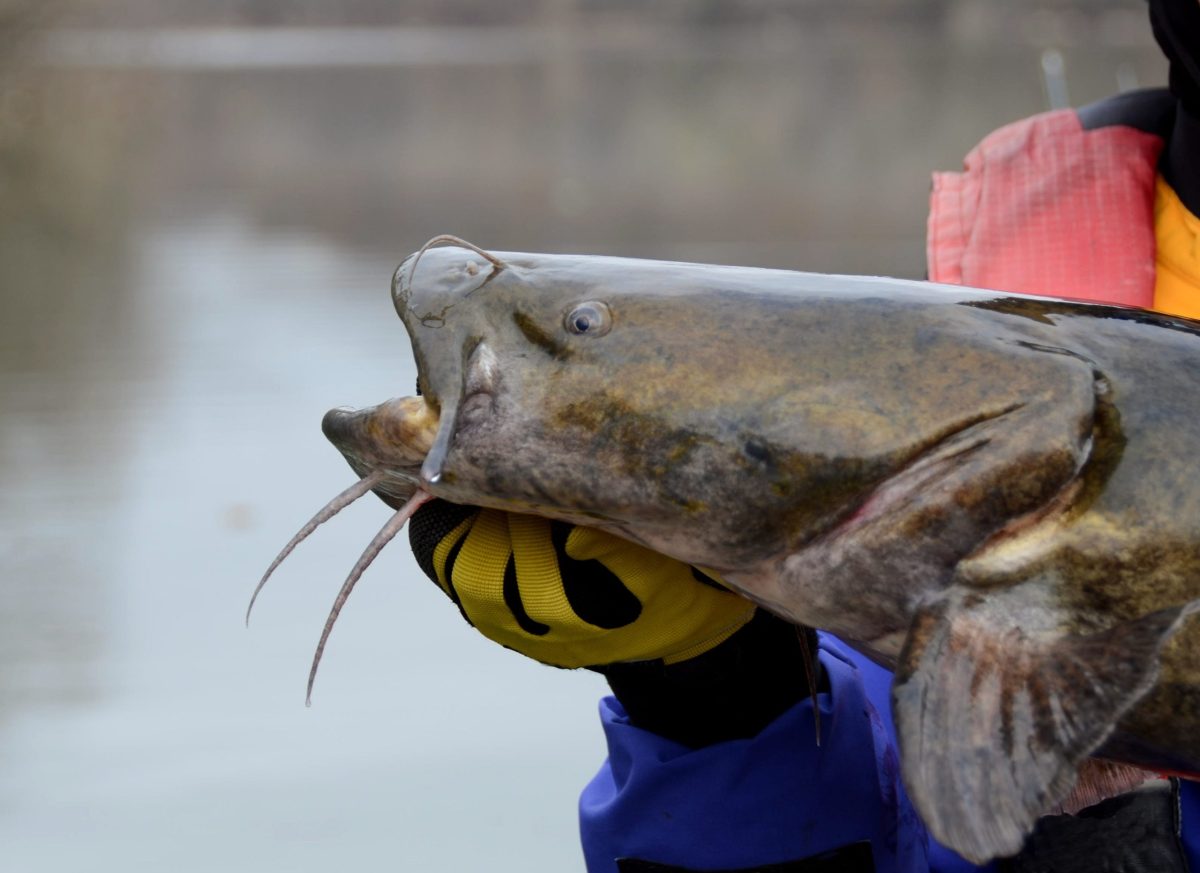
So, is the fishing actually good? Honestly, it’s often phenomenal. After a long, lean winter with hardly any food, channel cats are absolutely starving and looking to gorge on the easiest meal they can find. The cool thing about March fishing is that you are taking advantage of that desperation. Unlike the summer when they might be scattered all over the lake, right now they’re crowded together in predictable spots following a very specific food source: winter-killed shad.
If you want to be successful in March, you’ve got to keep an eye out for a few specific triggers. First off, obviously, is that ice thaw we talked about. Once that’s happening, I immediately start looking for south-facing slopes. These spots get the most sun, so they thaw out and warm up way faster than the rest of the lake. That tiny temperature bump kicks things off. You will see stretches of water opening up around these areas. Keep an eye out and after enough shore area is opened up, you can take advantage of the first considerable amount of open water. You can be one of the first to find these spots before they get over-fished.
Another pro tip is to go where the wind goes. As the rivers and lakes turn from ice to water, or mostly water, a strong breeze is actually your best friend this time of year. The wind pushes that warm surface water and all those floating, dead shad carcasses directly into the shoreline. It creates this massive buffet in the coves, and the catfish will just sit there and feast. Because of that, don’t be afraid to fish the shallows. It feels a little weird, but these cats will move into water as shallow as two or three feet just to find the warmest temps and the most food.
Since these fish are basically acting as a cleanup crew for the fish that didn’t survive the winter, you should make that your primary strategy. Don’t overthink your bait; just give them what they’re already looking for. Use cut shad or dead minnows to match the “hatch.” Since the catfish are hyper-focusing on cleaning up the winter-kill, I find that fresh shad is almost impossible for them to pass up.
Get Your Gear Ready
Once you see the ice start to disappear, you need to have your gear ready to go because this window of opportunity happens fast. You should take some time when it’s cold outside and you’re stuck inside to do a quick check and once-over of your gear. Is your line in good shape? Does it need replaced? You should check and see if you have enough hooks, with plenty of extra. Open your tackle box before you’re on the water to avoid unwanted surprises and to make sure you have enough tackle for the season.
For your rod, I’d suggest grabbing something in the medium-heavy to heavy range. You really want that “Goldilocks” balance—light enough to feel a timid tap, but with enough backbone to wrestle a big, cat through whatever debris the winter left behind. A carbon-graphite blend is a fantastic choice because it’s super sensitive for detecting those light winter nibbles while still giving you the muscle to pull a 10-pounder to the bank. Of course, plenty of guys use heavier fiberglass or composite rods and do just fine; a lot of it really comes down to what feels right in your hands.
If you aren’t a bank fisherman and prefer scouting from a boat, a good fish finder is going to be your secret weapon. It’s a huge help for spotting schools of catfish as they make their move toward the shallows. With some of the advanced imaging out there today, you can scan those shallow mudflats and find exactly where they’re stacked up without spooking them in that crystal-clear, early-spring water.
Lastly, you’ll want to dress according to the weather, and prepare for it to get a little chilly on the water. Wear colors that will camouflage you with your terrain, avoid loud, distracting colors. Have a change of clothes in your truck if you want. Sometimes pulling in catfish can leave your clothes soaked. If it’s a windy day, a wind breaker can do wonders to keep you comfortable.
The secret to success during ice-out is understanding that these fish are starving after a long winter and are hyper-focusing on one thing: winter-killed shad. The moment the ice pulls away from the shoreline is actually the best time to find fish in a massive feeding frenzy. If you haven’t experienced catfishing this time of year, put it on your to-do list. It’s a time you will not regret! Good luck this March!
March 2026
By Jacob Dean
For Leading Dairy and Cattle Industry News: