
Springtime Panfish-Perch, Crappie, and Bluegill
Springtime Panfish-Perch, Crappie, and Bluegill
Spring is in full swing here in Iowa, and what can be more pleasant a reminder than the sound of birds, the sight of flowers blooming, and the feel of a warm afternoon? I can think of at least one more thing…Panfish!
I can remember it like yesterday, our family would all meet up at the lake house. There was work to do. The yard was to be picked up, the cabin cleaned, and the dock had to be put in. But then, after the work was finished, it was time for all of us cousins to fish! We would all go out to the garage to pick out a few old rods and tie on a hook and sinker as best we could.
The next order of business was to hunt for worms. Flipping anything that we could find stuck in the ground in hopes of just finding a few crawlers. Once the bait was secured, we were ready to fish. We would go out on the dock and cast, vertical jig, and even troll along the side of the dock. We usually did pretty well use those tactics, but my all-time favorite was walking along the rocks on shore and dropping the bait down every little crevice, not knowing what was going to come up next.
We’d catch bluegill, crappie, sunfish, bullheads, and even crawdads sometimes. Little did I know that those simple times were going to be some of the best memories of my life, and also a lifetime of chasing that next bite. Fast forward to current times, and I’m still just that same little boy at heart, just trying to catch a mess of panfish to release in the grease from time to time.
Panfish Breakdown
So, what is a panfish? Panfish is simply a term used for the size of a fish. Typically, small enough to cook whole in a pan. Some common species of panfish include (but are not limited to) perch, crappie, bluegill, sunfish, rock bass, bullhead, and yellow bass.
This article will go over 3 species, Basic location, technique, and timing for catching these fish. I will also rate the table quality according to my personal experience. A popular way to cook these 3 is deep fried, but you’ll find that smoking, baking, and especially fish tacos are all great ways to enjoy them. Some of the best crappie I’ve ever eaten were wrapped in bacon and then smoked. Those little crappie bites were sweet, savory, and smoky, and I still crave them from time to time. But I digress, before I get in the freezer and thaw out some fish.
Perch
Perch can be found near shore in the early spring from late March to mid-April when the water temperatures range from 45 – 55 degrees. The eggs are deposited over weeds or brush in the form of gelatinous strands, usually in the shallows of lakes and ponds. Some popular baits for perch include small minnows, leeches, worms, wax worms, and small crawdads. Tipping a small jig with any of these baits is sure to get the interest of a hungry perch.
Adding a small spinner to create flash is also a good way to get their attention. Make sure to let the bait get near the bottom for these fish because that’s where they like to be. If you notice more fish following one that you are reeling in, hurry up to get your jig back out because it’s about to be a feeding frenzy, and you’ll have the chance to catch many of them in a short time period.
Perch has a firm texture with a significant size flake for a smaller filet. A favorite among many for its clean and slightly sweet flavor. You’d be hard-pressed to find a fish-eater that passes up some good old fried perch. Table quality – Excellent
Crappie
Crappie are the next to spawn and will stage just out from the spawning grounds in a little deeper water around the end of April. As the water temp rises to the low to mid 60’s in May, crappie will move into very shallow water near shore to spawn where they can sometimes be found in as little as 1’ of water near brush or weeds. Crappie can be very easy to catch during the spawn, as the males will guard the eggs and newly hatched fry.
Jig bobbing is a very productive technique at this time. A small jig and plastic about 2’ below a bobber can keep the bait up where the crappie can attack from below. Just a pull and pause retrieve will do the trick with this rig. If that is too slow for you, a 1/16 oz jig attached to a wire spinner can be deadly also. Tipped with live bait, small tube, or 2” shad shaped plastic, cast beyond the fish, let it sink 3-4 seconds, and then slowly reel it back until you feel that thump. After that it’s usually game over for that fish and many more afterwards.
Crappie has a softer texture with small flakes and is very sweet to the taste. Also has that good fish flavor that you would expect. Crappie is a no-brainer this time of year, especially paired with some morel mushrooms.
Bluegill
Bluegills will be the last to spawn of these three. They will move into the shallows of lakes and ponds around late May, and the males will build nests on sand or gravel if available. Bluegills are community spawners, and they will often build nests in close proximity to other Bluegill nests. Spawning takes place when water temperatures reach 68-72 degrees. Similar to crappie, the males will guard the eggs and fry.
One of the easiest of the 3 to catch, these small fish can really put up a fight for their size. The bluegills’ diet mostly consists of insects, so a worm or crawler is always a good choice of bait when targeting them. They are not shy and will take food at any depth, usually competing for it. Using a slip bobber with a split shot and hook tipped with a chunk of crawler will allow you to adjust depth accordingly if needed, but it is not always necessary. A clip-on bobber will work just as well.
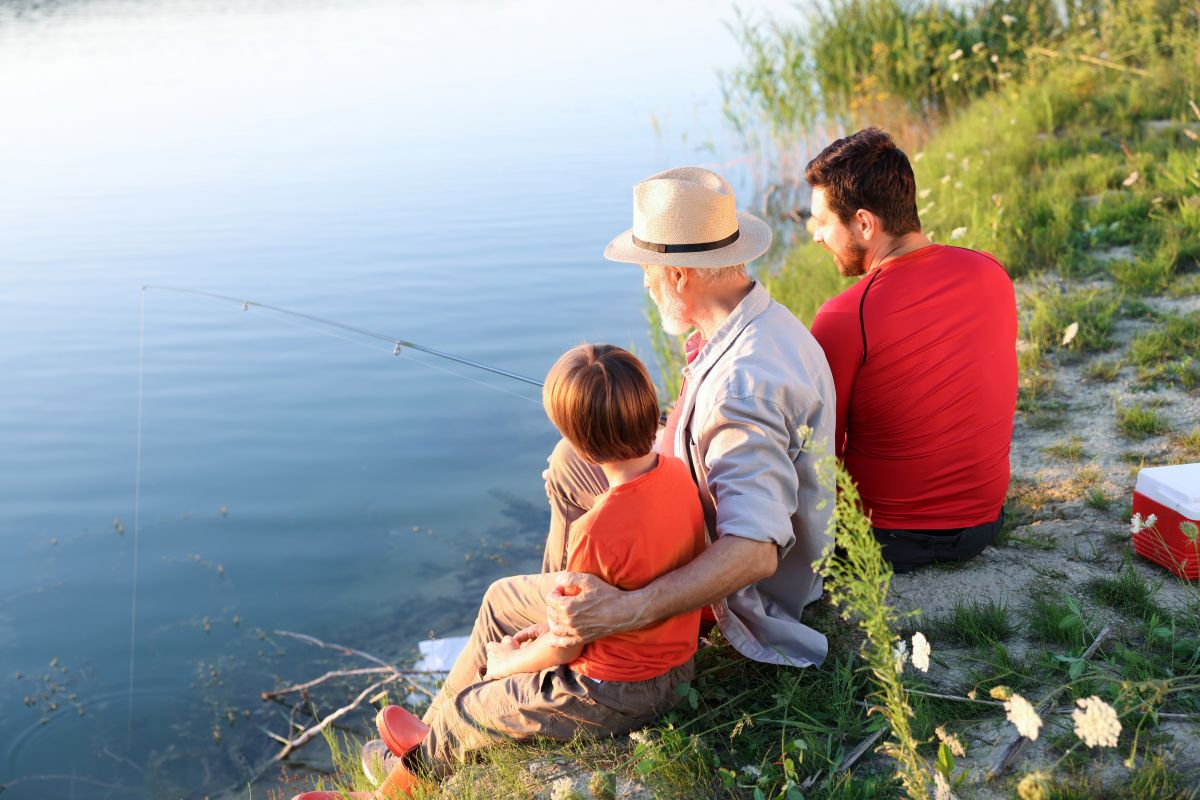
Now that you’re all rigged up, it’s time to fish. Cast near the weed edge or around the nests if you can see them. Pay attention to the bobber and wait until it is completely under to give it a quick snap. Bluegill fishing is one of the best ways to involve a kid and make those memories that will last a lifetime. Passing on this tradition is one of the most rewarding things we can do as adults in the fishing community.
Bluegill also has a firm texture with a slightly smaller flake. Also has a slightly sweet flavor and can sometimes have that classic good fish flavor. A basket full of bluegill will surely make some new friends. Table quality – Superb
Gear
Rods can vary greatly for panfishing depending on how you want the experience to feel. An ultra-light rod in the 5’-6’ range can handle any of these fish fine and will be very forgiving if you.
tend to set the hook hard, especially when fishing for crappie with a softer mouth. Although with the slow tip on these rods, you will sacrifice some sensitivity. Combining this power rod with 3-6lb mono is an all-around good choice. But if you are like me and want to really feel that bite through the rod like the ring of a clock tower, a better choice may be a 6’-6’8” light to medium light power rod with a fast or extra fast tip. With this rod choice, I prefer 8-10 lb. braid spooled up on a size 1000 spinning reel.
Using this line rating for panfish is a little overkill, but it gives me confidence when a random walleye decides to take a swipe. A more appropriate line strength for panfishing would again be 3-6 lb., either mono or braid, whichever you prefer. I’d like to add here, for the kids newer to fishing, a dock demon or similar short casting setup is a great choice for learning.
Terminal Tackle
Bobbers are a staple when it comes to tackle. It’s always a good idea to have a few on hand. Slip bobbers allow you to adjust depth, while clip-on floats offer quick ease of use. Split shots are another cheap must-have in any panfish box. As far as hooks go, whether plain or jig heads, there are two sides of the fence, and you must choose which side to be on.
Light wire hooks are a great choice for panfish of average size. Light wire hooks are economical, come in a variety of colors, and have enough flexibility to usually bend them out if you get snagged. Keep an eye on those hook points, though, as they can get damaged more easily as a result of the thinner gauge wire. Heavy wire hooks are thicker, stronger, and can usually penetrate better. The downside is that they don’t tend to bend out easily, resulting in more lost tackles when hung up. Some crappie fishermen prefer these premium hooks when targeting larger crappie due to the hard spot on the roof of their mouths.
Get Out and Fish!
Now, if you’ve decided what to chase, have a few areas in mind, and have tied on your best rig, it’s time to get after them. Start early in the morning when the sun is making its appearance for the day, as this can be the most active feeding time for all three. Some non-fishing items to bring along are a raincoat, bug spray, snacks, and water. It’s much easier to stay longer if you are comfortable. Also, don’t forget a stringer or bucket if you plan to take some of your catch home for a good meal.
If it’s a family affair, remember the kids will need all the help they can get, so plan on untangling lines and baiting hooks most of the day. This will make the experience much more exciting for them, and they will want to learn how to do it just like you! You will surely draw up some old memories and feel like a kid again, whether you are reeling them in yourself or just watching the kids with those huge smiles and a fish hanging on the line. So, without further ado, it’s time to get out and fish!
April 2026
By Geoff Taylor