
Picking A New Pup
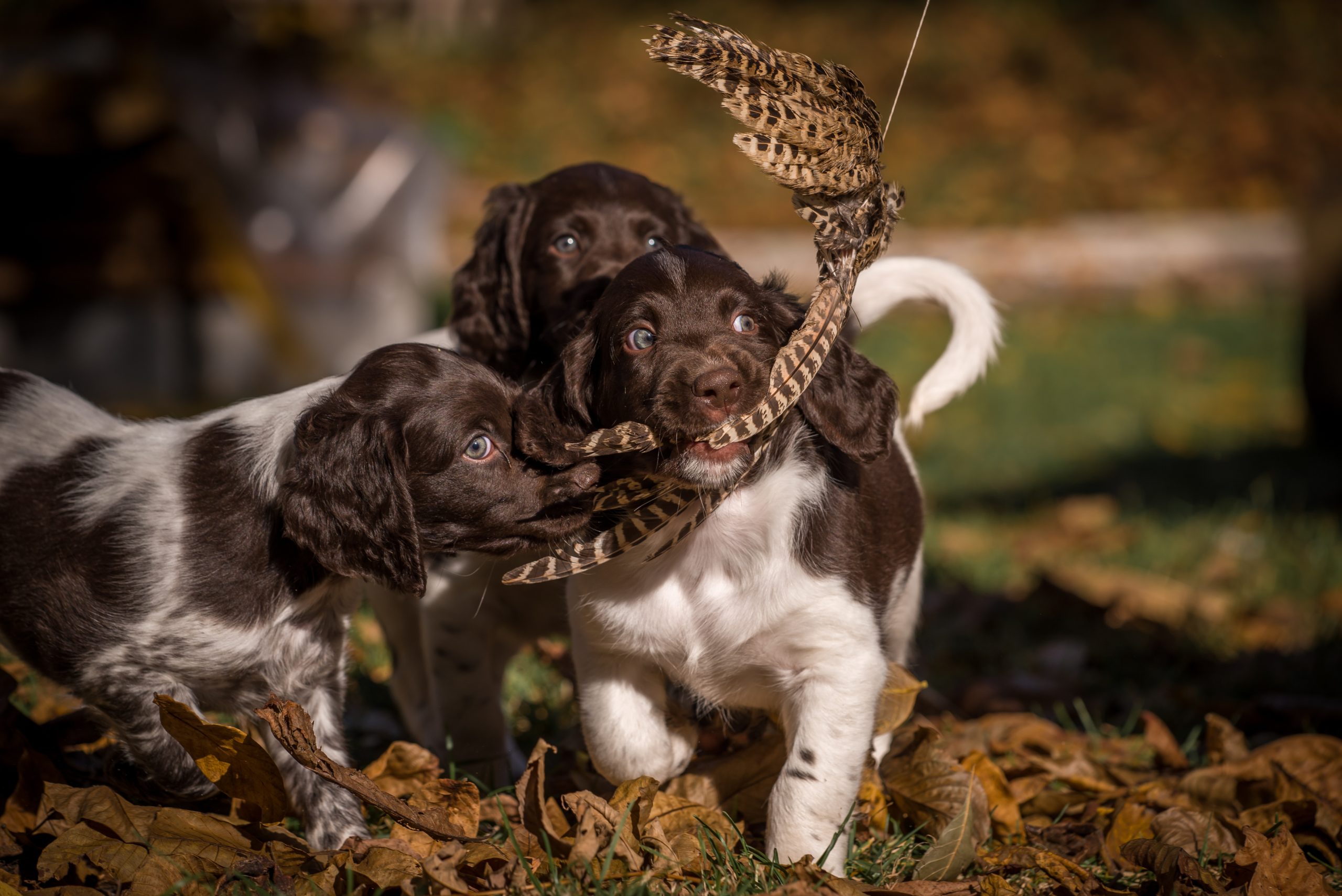
Picking A New Pup – Is There Really Anything To It?
Unfortunately, I don’t think we pay enough attention to the process of picking a pup. Moreover, I think we overlook the most important factor of the process when we’re looking for a pup.
I bought my first pup when I was fourteen years old. If you had asked me, “How’d you pick your pup?” I would’ve said something like, “I opened the Omaha World Herald and found a litter of yellow labs for sale near Columbus, NE. I had $300, and the guy on the other end of the phone had a female pup available. We met in a McDonald’s parking lot and made our exchange.”
Here lies the problem, my selection process was quite honestly pathetic. I had the green light from my parents to get a puppy. I had what I thought was enough money to purchase a puppy ($300). I knew I wanted a Labrador, because my uncle had a couple (and they were cool). I located a litter that was within a couple of hours of home, and they had exactly what I was looking for (a female yellow lab pup).
Do Your Research
What I didn’t know (and must not have cared about, because I didn’t do any research or ask the litter owner any questions) was: the potential health issues in Labs, the history of the different lab lines/genetics, the background of the litter I was getting a pup from, how long the litter owner had been breeding dogs, when his next litter was going to whelp, did he hunt with his Labs, how many litters of pups had he whelped, how many litters of pups had his female whelped, how many pups were in her litter, did he health test or hunt test his dogs, did he provide any health guarantee/contract…
With the little I knew and the little I asked, I got lucky. Heidi (the pup I purchased) was amazing. Buying her launched me into a lifetime of learning about dogs. She ignited my passion for breeding quality dogs for wonderful families. She opened the door for me to start a kennel that I’ve now run for 26 years.
Sure, I was fourteen years old, and the internet was brand new (and not in my house yet). Those are just excuses. I still could have asked questions. Questions still could have been asked of me. I could have dug in and researched with the handy dandy encyclopedia instead of whining about not having dial-up internet yet. Because let’s face it, hoping for luck isn’t a good strategy for anything. And impatience usually comes back to bite us.
Find a Reputable Breeder
Out of all the tips, tricks, and tactics people use to pick a pup, the most important factor in the decision is the breeder. A good breeder is going to interview you to see if you’re a good fit for the breed and their dogs. A good breeder is going to answer most, if not all, of your questions before you ask them. A good breeder is more concerned about right placements than rushed timelines and/or quick sales. A good breeder has a waitlist that people are okay sitting on. A good breeder helps you choose your pup, but more likely makes the choice for you.
Don’t Rush the Process
If you’re in the market for a pup, research the breed(s) you’re interested in. Just because they are cute or your buddies have one doesn’t mean you should. As you begin to nail down the breed you think fits you, start researching breeders. Make phone calls. Ask questions. Tell them your history and what you’re looking for and why. Through your conversation(s), you’ll learn a lot about the breed(s), the breeder(s), and yourself.
Even if you have to wait longer than you anticipated or go with a different breed than what you originally thought was a good fit for you, you’ll end up working with a breeder you trust and a pup that you have peace with. Adding a pup to your family is a big commitment. The commitment starts in your search for the breeder you’re going to work with.
February 2026
By Kyle Dana