
Late Season Hail Mary
Late Season Hail Mary
Late season whitetail hunting in Iowa can be incredibly productive, and for me, this is when I see the big bucks. The ones that have eluded myself and the neighbors, the ones that seemed nocturnal now are moving during the day. This is the time when you can get that trophy you’ve been chasing. provided you can endure the harsh cold that defines Iowa’s winters. Success during this period hinges on two main factors: the ability to withstand the coldest, harshest temperatures in the field for extended periods and finding the limited, high-calorie food sources that deer rely upon for survival. The key takeaway for any late season hunter shifts to being able to stay out in the timber, field, or food plot.
Stay Warm
First and foremost, you have to be warm and able to stay outside. Now, there is also a lot of wisdom involved and you need to know when to head back to safety. Don’t compromise your safety by getting too cold, or hypothermic.
However, investing in some essential cold-weather gear and technology will help keep you warm, safe, and outdoors. Cold-weather gear at this time is not just a collection of warm items. Start with a moisture-wicking base layer to pull sweat away from your skin. This will keep you warm longer.
When we get cold, our feet and hands start to have reduced circulation first, which is why our hands and feet get cold first. Invest in a good, warm pair of boots. This is non-negotiable. Look for boots rated for extreme cold. The higher Thinsulate or insulation you can get, the better. Pair these with some heavy wool socks.
Besides base layers, you will want a mid-layer of fleece or wool, followed by a heavy outer layer of bib overalls and a coat. Materials designed to be quiet and block wind are ideal. Wind can be brutal this time of year.
Don’t neglect your hands and head. A high-quality insulated hat, neck gaiter, and mask are essential for heat retention. In highschool, I read a stat that about 20% of our heat is lost through our head and neck area. Once I started hunting and getting cold, my dad would tell me if my feet are cold, putting a hat on would help. A good pair of insulated gloves or mittens will keep fingers functional for the shot. If you don’t have rechargeable hand warmers, at least use the disposable ones. Anything will help keep your hands warm.
Box Blinds and Heaters
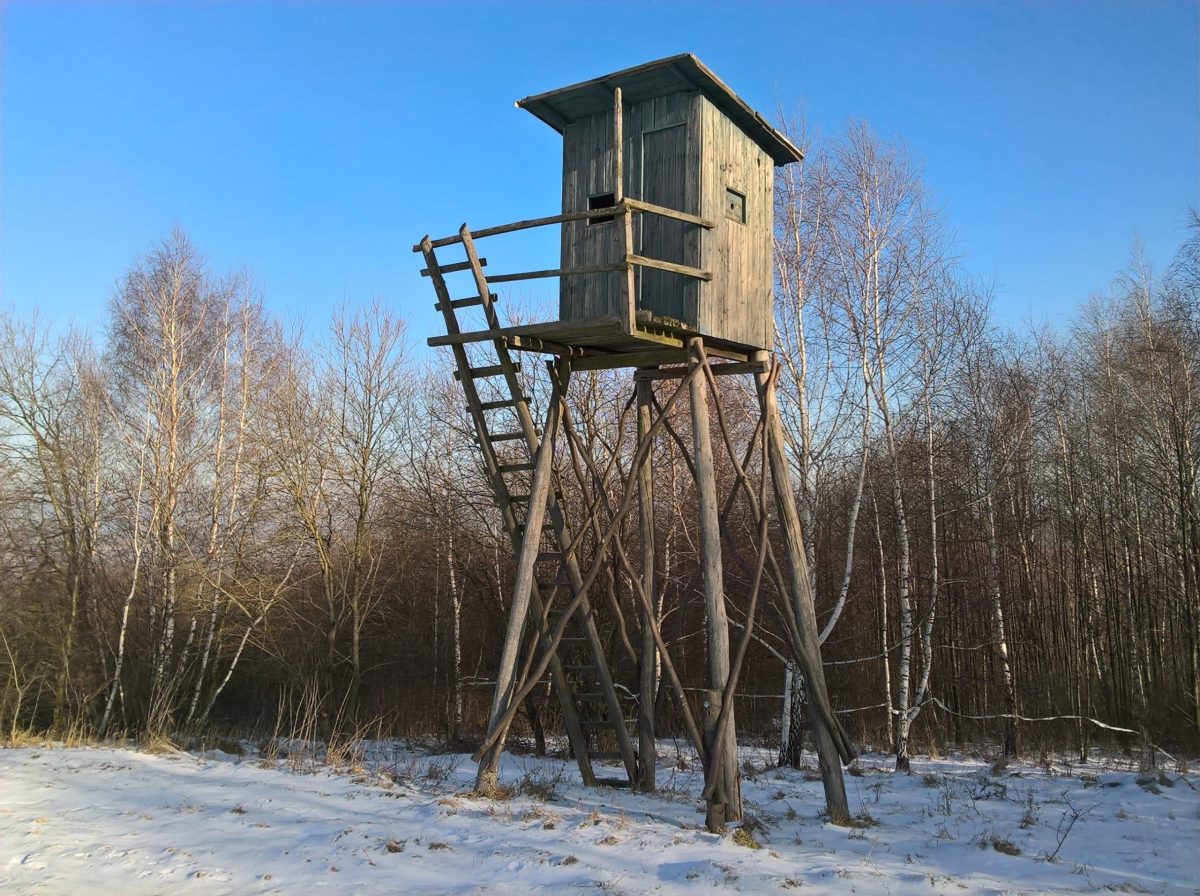
I personally prefer sitting in a treestand for the views. However, an enclosed box blind is a late-season game-changer in Iowa. Box blinds shield you from the wind, snow, and driving rain. If you add a propane heater, you now have a warm and cozy place where you can comfortably wait out deer movement.
Propane heaters might be the single best investment for late-season comfort. These heaters are safe for enclosed (but still ventilated) spaces and provide the radiant heat needed to keep your core temperature stable for an entire day of hunting. The ability to sit in a 50-degree blind when it’s 10 degrees outside drastically improves focus and endurance.
For those hunting from open stands, there are a few insulated heat suits that can be a powerful alternative. They wrap around your entire body and provide an added layer of insulation, allowing you to stay in an exposed position much longer.
The bottom line is that by investing in warmth, you invest in more hunting time.
By the late season, whitetails are focused purely on survival. The rut is over, temperatures are dropping, and the need to replenish fat reserves is paramount. Their movement patterns become highly predictable, often
Food Sources
This time of year is where food plots shine. You might have some brassicas, or standing grains, and the deer will flock to them.
Additionally, corn and soybeans left standing by farmers are a great late-season food source across Iowa. Deer will often bed nearby and make short trips to these fields throughout the day.
While not as common as grains in the dead of winter, if a green alfalfa or clover field is available, and not covered in thick snow, deer may visit it. It remains a quality, digestible food source.
If you have a food plot and a box blind, you probably have a pretty good chance at seeing some deer. If you don’t, hope is not lost. Just because deer feed, doesn’t mean they are going to solely eat on a food plot. Timber still has food sources such as brambles, multiflora rose, and some acorns. Addiontally, deer a likely beded near some thermal areas, like in cedars, or Native Warm Season Grasses. Sometimes getting on deer means setting up close to their bedding areas, or on travel paths to food sources, ag fields, or in timbers.
The plan involves identifying these sources on the properties you hunt and setting up stands or blinds directly overlooking them, focusing on pinch points, funnels, or primary entry/exit trails leading to these fields.
Analyze Data
A common misconception is that deer only move at dawn and dusk. In the late season, this is often untrue. Intense cold can force deer to alter their patterns and feed during the warmest parts of the day to aid digestion and warm up.
Scouting and camera data often show significant buck movement between 10:00 AM and 2:00 PM. A working theory is that they feed during daylight hours when the sun offers warmth and bedding areas are colder at night, driven by thermals that sink into low-lying areas.
While some locations may still see peak activity during evenings, relying solely on historical patterns is a mistake. This is where data analysis becomes vital. I’ve seen quite a bit of movement around the evening feeding times. However, you need to look at your hunting area and figure out when the best time to hunt is for you.: Your trail cameras are your most valuable scouting tool. Check camera data religiously. Are bucks moving at noon, or are they still heavily nocturnal? Analyze what you’re seeing in your specific location.
Long-time writer for “The Iowa Sportsman”, Noel Gandy, is a widely recognized expert in interpreting trail camera data. He is an expert at looking for patterns related to wind direction, temperature changes, and specific times of day to develop a precise plan for a specific buck. He even uses multi-year data collected from photos over the years to pin-point a specific buck’s movement.
If you want, you can also leverage software applications designed to analyze camera data, which can automate a similar process that Noel does. This helps with identification of patterns and helps you make informed decisions about when and where to hunt. This collection of personal observation, and hard data creates a well-thought-out plan.
The Late-Season Iowa Plan
When it comes to late season, start by investing in high-quality, heavily insulated gear from boots to hats. Prioritize box blinds and leverage propane heaters or heat suits to make sure you can sit comfortably from sunrise to sunset. Stay warm and stay out. Next, use scouting and camera data to pinpoint active movement in and around food plots and food sources. Place cameras on the trails leading into these food sources. Determine the peak movement times. If bucks are moving mid-day, plan full-day sits. If evening movement is stronger, then plan your hunt around evening sits. The main point is to collect data on the timing of deer movement, and be ready to hunt those areas. Buck become more predictable again.
By Jacob Dean
For the Issue of the Iowa Sportsman January 2026, check it out below.
For Industry News in the Cattle and Dairy Industries