
Iowa’s New Deer Zones and Big Buck Counties
Iowa’s New Deer Zones and Big Buck Counties
One of the best things about living in Iowa is the abundance of hunting opportunities. Iowa has made it so youth hunters can go out, get fill their tag and enjoy the outdoors. While I absolutely love that anyone can hunt and get meat for their freezer, seeing the big bucks in the timber really gets hunters addicted to hunting.
For decades, Iowa has been known for its trophy-class bucks. Out-of-state hunters put in for preference points, and it’s not uncommon for them to wait almost five years to get drawn for an Iowa tag. Whether you’re a resident or non-resident, you should know where to hunt and where not to hunt for trophy bucks.
There are several reasons Iowa has maintained its reputation as a top state for big deer: caliber restrictions, bowhunting during the rut, and the combination of quality habitat and food. Another reason we’ve been able to maintain a quality deer herd is sound deer management.
EHD, CWD, and plain ol’ Mother Nature have been hard on the deer herd in parts of the state. For this reason, the Iowa DNR spent time analyzing the deer herd and restructured the deer hunting zones. As residents, we used to be able to purchase statewide buck tags. Iowa made a significant change for the 2026–27 deer season, creating two resident deer hunting zones instead of having the same statewide structure.
New Deer Zones: Zone A and Zone B
First, let’s look at Zone B. It was created in northwest and western Iowa because of concerns about lower deer numbers and the need to allow some herds to recover. The new Zone B includes eight counties: Crawford, Ida, Lyon, O’Brien, Plymouth, Shelby, Sioux, and Woodbury.
Zone B general deer tags are antlered-buck-only for all regular seasons with some exceptions. So, in those eight counties, a hunter using a general Zone B license cannot harvest an antlerless deer. There are limited county-specific Any-Deer licenses available, but those are separate and have quotas. Youth and disabled hunters, certain landowner/tenant situations, and some depredation-program hunters are the exceptions.
The rest of Iowa is Zone A. Hunters must select the zone where they will hunt when purchasing their general deer tags. Zone A tags aren’t valid in Zone B, and vice versa.
One Other Changes
One of the biggest seasons for deer hunters is the first gun season, which starts the first weekend in December. There are several counties where general licenses were restricted to antlered deer during the first gun season: Audubon, Buena Vista, Calhoun, Carroll, Cherokee, Clay, Dickinson, Emmet, Fremont, Greene, Harrison, Mills, Monona, Osceola, Palo Alto, Pocahontas, Pottawattamie, Sac counties.
The DNR says the change came after more than a dozen meetings with local hunters who expressed concerns about declining deer populations in western and northwestern Iowa. The DNR says Zone B could potentially expand to additional counties if deer populations warrant it.
Big Buck Counties
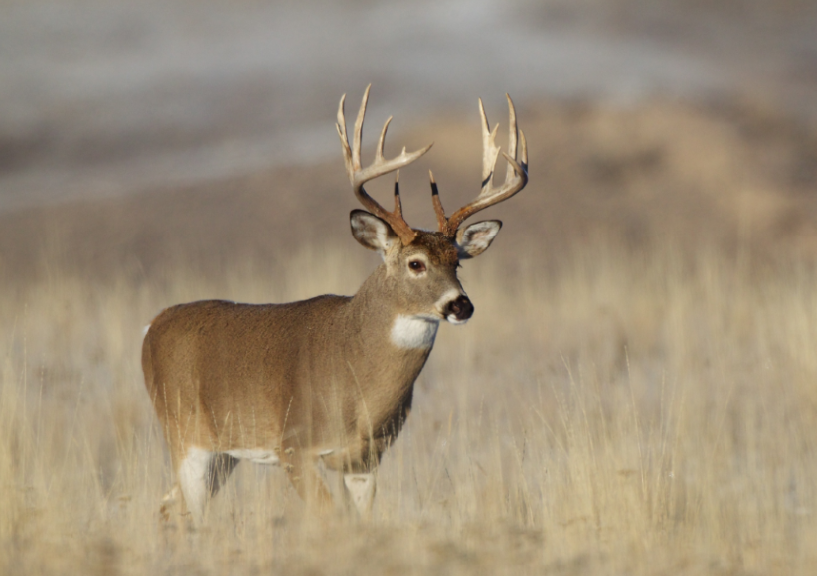
According to the Boone and Crockett Club website, Iowa continues to rank among the top states in the country for big bucks. The website also identifies Iowa’s top three counties for Boone and Crockett record-book entries. Allamakee County ranks number one in Iowa, followed by Warren and Clayton counties.
One other interesting point is that Iowa’s five highest-scoring typical bucks ever recorded did not come from these top-producing counties. Instead, those record-setting deer were taken in Hamilton, Decatur, Des Moines, Plymouth, and Monroe counties, showing just how widespread Iowa’s trophy whitetail potential can be.
This is the best information we have, but if you’re like me, you probably know more 160-plus-inch bucks that aren’t in the record books than those that have been officially entered. These unknown bucks would certainly skew the data. In short, Iowa is a big buck state with several trophy-class deer scattered and hidden among all the counties. They can be tough to hunt, but that’s what makes finally seeing one so exciting. South of Interstate 80 reliably produces big bucks, but no matter where you hunt in Iowa, there’s always a chance that the next giant is closer than you think.
What Makes Iowa So Great?
Iowa has a mix of farmland, timber, and hills that gives deer what they need to grow and thrive. Farm fields give deer a good food source from spring into fall. Corn fields also give deer both food and a place to hide. The timber, hills, and river areas give deer safe places to bed and move. While Iowa is known as a flat state, the land south of Interstate 80 tells a much different story. Rolling hills, deep brushy ditches, and thick timber give deer, and big bucks in many cases, places to hide from both hunters and other deer.
Iowa is also known for its rich soil. Many hunters feel that this rich soil helps deer grow big racks. While food, age, and genes all play a part, Iowa’s long list of big bucks gives that idea some weight.