
Hunting Iowa in October
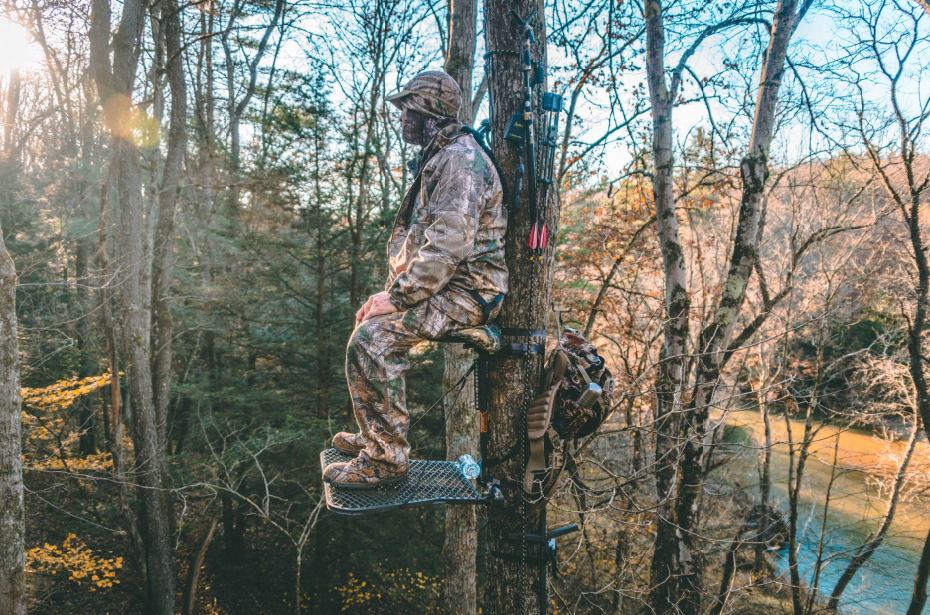
Hunting Iowa in October
There’s a certain feeling that settles in as summer starts to fade and we approach the deer seasons. Acorns start to fall and your mind drifts to the woods even when you’re nowhere near them. Long before the leaves turn, the anticipation begins. You think about the first cool morning and continuously check the forecast for weather fronts.
Bowhunting has a way of grabbing hold of you. For many of us, that pull started years ago, maybe as kids tagging along with dad. It sharpened our senses, slowed us down, and made every moment in the woods feel more alive. Now, as another season approaches, that old familiar excitement rises again. It’s time to tune your bow, check your gear, and get your mind right for opening day. The countdown has begun, and the woods are waiting.
Treestand Prep
Your treestands take a beating from weather, time, and critters. Now is the right time to check every strap, chain, and screw‑in step. Look for worn spots, rust, or anything that feels loose. Hunters risk falling if straps are worn or frayed. Squirrels love chewing seat cushions, so check those too. Additionally, fix squeaks now so you’re not fighting noise when a buck steps in.
Get your lifeline set. Most hunting falls happen when transitioning from the steps to the platform. Hunters should inspect all treestand gear before each use, including stands, straps, ropes, and harnesses. Weather, sun, and time can weaken straps and hardware, and harnesses have a limited safe life. If you ever fall while wearing a harness, replace it right away. Even if it looks fine, the breakaway stitching may be damaged and won’t protect you again. Always climb with a haul line instead of carrying gear, keep guns unloaded while raising or lowering them, and let someone know exactly where you will be hunting. Get tow lines inspected and set so you don’t have to haul equipment up the steps or ladder. Get your lifeline set so you’re safe to climb on opening day.
Trim Lanes Early
If you haven’t already trimmed shooting lanes, make a point to do so NOW! Growth is thick, so you can see what needs to go. Clear branches around stands and blinds, and clean up your entry paths. You may need a little touch‑up later, but the heavy work should be done now. I use a chainsaw mostly, but you can use a telescoping manual saw to get limbs that are high.
Additionally, I like to walk near-by deer paths. Make sure there isn’t an obstruction re-routing deer away from your stand. If there is, trim it, cut it, and make it easy for deer to walk through. Deer are lazy, so by clearing a lane, they will be likely to use it. On that note, now is a great time to brushcut, mow, or weedwhack a path to and from your stand. This will help reduce noise and let you sneak in and out quieter.
Ground Blind Check
Ground blinds don’t carry the same safety risks, but they still need attention. Set yours up in the yard and look over the poles, hubs, and fabric. Patch holes, check for leaks, and make sure your chair sits at the right height for shooting. Decide how you want your bow to rest, on a hanger, on the ground, or held upright with a limb clamp.
Get your ground blinds out early. Deer spook easily when a new blind is set up. You want to make sure they have plenty of time to get used to it. To help even more, use vegetation and tree branches, and camouflage your blind. This will help decrease the pressure tremendously. We’re still a few weeks from October 1st, so you may have to touch-up the brush.
If you film your hunts, test your camera arm while the blind is open. A little prep now makes blind hunting smooth and quiet later.
Once your gear is ready, start planning where you’ll hunt early season, rut, and late season. Trails are easy to see in summer, and some bucks fall into steady patterns. Set stands now so the woods can rest before you return to hunt. It may be early to place blinds, but it’s not too early to pick the right blind locations. Knowing your plan ahead of time makes brushing in your blind quick and clean.
Practice!
Good practice is more than shooting a pile of arrows, it’s about building repeatable form and repeating that. Blind bailing is a great drill for building muscle memory. By closing your eyes and focusing only on your draw, anchor, release, and follow-through, you train your body to repeat clean form without relying on the target. Repeating these steps over and over helps make your shot feel natural and automatic.
A smooth release is one of the hardest skills to master. Many archers “punch” the trigger, which causes a flinch and ruins accuracy. The goal is a slow, steady squeeze that surprises you when it breaks. This takes patience and a lot of repetition, but it’s key to shooting well. It also helps to accept honest feedback from others. A fresh set of eyes can spot habits you don’t notice, and fixing those habits leads to better form and more confidence.
You need to practice with the gear you’re going to hunt with. That means switch out your field points for broadheads. Shoot all your arrows to make sure you don’t have a bad arrow that could cost you a buck. Shoot your hunting arrows, know exactly where they will hit and how your bow shoots your arrows and broadheads.
Start Now, Hunt Later
September gets busy fast, and October shows up before you know it. A little work now saves stress later and keeps your hunting area calm. Don’t miss a buck because your shooting lanes weren’t ready, or your treestand was creaky. A good season starts long before you climb into a stand, it starts with smart summer prep.
Follow us on Facebook! The Iowa Sportsman | Facebook