
How to Stay Safe and Prepared for Any Disaster
How to Stay Safe and Prepared for Any Disaster
We live in a world where we pretty much have everything we need, but, we live in Iowa. That means we get hit with some natural disasters that leave us without electricity for extended periods of time. We’ve seen this in the derecho of 2020 and a few before that depending where you are. We have floods, tornadoes, and in the winter ice and snow storms. As we approach summer and storm season, it can pay off by having a few items around for when you are in a situation where you’re without electricity or access.
We can learn a lot from the prepping community. Preppers are people who spend time preparing for emergencies, disasters, or major disruptions to everyday life. The goal is usually to become more self-reliant and better equipped to handle situations where normal services or supplies may not be available for a period of time. The level of preparation can vary a lot from person to person.
Many preppers store extra food, water, batteries, fuel, medical supplies, and household essentials. Some build emergency kits for their homes, vehicles, or workplaces. Others learn practical skills such as gardening, canning food, first aid, hunting, fishing, radio communication, or basic repairs. Self-defense and home security are also common areas of interest.
A big part of prepping is planning ahead. That may include creating evacuation plans, backup communication methods, or alternative ways to heat a home and cook food during a power outage. Some people live in rural areas or maintain cabins or shelters as backup locations.
There are also different types of preppers. Some take a practical and moderate approach focused on everyday emergencies, while others prepare for worst-case scenarios and invest heavily in long-term survival supplies and off-grid living.
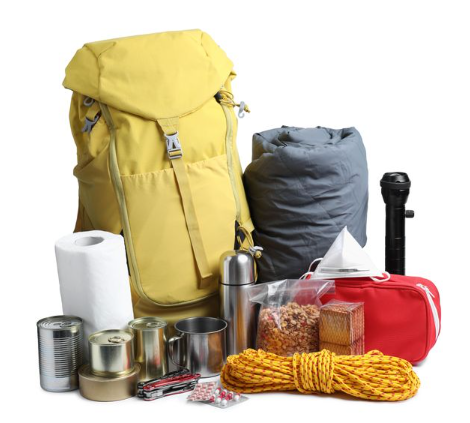
So, what are some items that preppers use for short-term disasters? We will look at some of the most basic and common supplies you could need if you find yourself in a disaster.
Storm Shelters
External storm shelters, also known as above-ground safe rooms, are becoming more popular in the Midwest and Tornado Alley because they provide quick access and strong protection without the need for digging or underground installation. You can find different ones, and some are built to withstand EF-5 tornado conditions. They are typically installed near homes, in garages, or on concrete pads for easy entry during severe weather.
A major benefit of these shelters is they’re easy to get to, making them useful for families with young children, elderly individuals, or anyone with mobility challenges since there are no stairs or ladders involved. They are designed for rapid entry when storms hit quickly. Most available options range from compact steel pods that hold a few people to larger family-sized safe rooms built for greater capacity and comfort.
Light Sources
When the power goes out, good lighting becomes one of the first things you need. Flashlights, lanterns and headlights are all simple but very important during an outage. It’s smart to keep several around the house so everyone has access to one if needed, keep them accessible and where you can find them. Check them from time to time to make sure they still work, and store extra batteries in a separate container so fresh batteries do not get mixed in with old ones.
Lanterns can light up a larger room and are helpful when the whole family is gathered in one area. Candles can also work, but they need to be used carefully. Keep open flames away from curtains, paper, and other flammable items. Never leave candles burning unattended, especially around kids or pets.
Communication
When storms hit and the power stays out, staying informed matters. A battery-powered or hand-crank radio can help you keep up with weather alerts, road closures, and emergency updates. Cell towers can fail during severe weather, and phone batteries will not last forever, so a radio can become one of your best tools.
Iowa has seen its share of long outages during both summer storms and winter weather. Having a reliable way to hear updates from the outside world can make a stressful situation much easier to handle.
Generators and Battery Packs
People who own generators are usually very thankful when the electricity goes out for several days. A generator can keep refrigerators cold, power fans or air conditioning, and help prevent food from spoiling during hot weather.
Years ago, generators were often noisy and difficult to manage, but many modern models are much easier to use. Some even have automatic start and shut-off features that make them more convenient for homeowners. Ideally, it will be rare if you use them, but they can make your time without electricity much more comfortable.
While generators are not cheap, they can provide comfort and peace of mind during emergencies. If your area deals with regular outages during storms or extreme heat, a generator may be worth adding to your emergency plans.
A newer option we’ve seen emerge are battery packs. You can get hand-held battery packs that can recharge cellphones and laptops. This can help you stay connected to the outside world. You can also get much larger battery packs with electrical outlets. These can power and run larger electric items, like space heaters and fans.
Food and Water
Once the power goes out, refrigerators and freezers will only stay cold for so long. That is why it is important to keep extra non-perishable food on hand. Canned goods, dry snacks, soups, peanut butter, freeze-dried meals, and MREs are all solid choices because they can last a long time without refrigeration. It’s a good idea to have a few MREs around for just such a case. Some are pretty good, my family really likes the chicken alfredo and biscuits and gravy options.
Water is just as important. Experts often recommend storing at least one gallon of water per person each day for drinking, cooking, and basic hygiene. Sealed water containers can last for years if stored properly. Water filters, purification pumps, and purification tablets can also help make questionable water safer to drink during emergencies.
If the power stays out for an extended time, being able to cook food becomes very important. Portable camping stoves and propane grills are great backup options. Many people already own camping gear, and emergencies are a good reminder to keep it easy to access.
Always make sure you have enough propane or fuel stored safely ahead of time. It is also very important to use grills and camp stoves only in well-ventilated outdoor areas to avoid dangerous carbon monoxide buildup.
Blankets and Warm Clothing
Even during warmer months, temperatures can drop quickly at night after storms move through. Extra blankets, sleeping bags, coats, hats, gloves, and warm socks can help keep everyone safe and comfortable. Even in the summer if you get wet and there is a cool night, you can get cold and hyperthermic.
It is always better to have more blankets than you think you need. Cold temperatures and wet conditions can lead to hypothermia faster than many people realize.
Medical Supplies
During the storm season, make sure that you’re not waiting until last minute to refill medications. This will ensure that you have a few days should disaster strike and leave you stranded.
Additionally, every home should have a well-stocked first aid kit ready to go. Basic supplies like bandages, antiseptic wipes, tape, gauze, pain relievers, and ointments can help treat injuries until further medical help is available. It is also smart to keep a printed first aid guide or a booklet with your supplies. During major outages, phones and internet service may not work, and having printed instructions could make a big difference in an emergency.
Final Thoughts
Power outages and short-term disasters can happen at any time, especially during severe Iowa weather. Having a few extra supplies ready ahead of time can make a major difference in comfort and safety. Experienced preppers recommend adding a few extra canned good when you go to the grocery store. You can rotate these out of your pantry to keep them fresh. You don’t have to go over-board and hoard food and supplies, but by having a backup light source, external battery pack, a cooking pan and some extra canned food and stored water, you should be good for a day or two. This will give the utility companies a couple days to restore power and utilities to your area. The key is preparing before you need the items, not after the storm has already arrived.