Fall Iowa Fishing
FALL FISHING
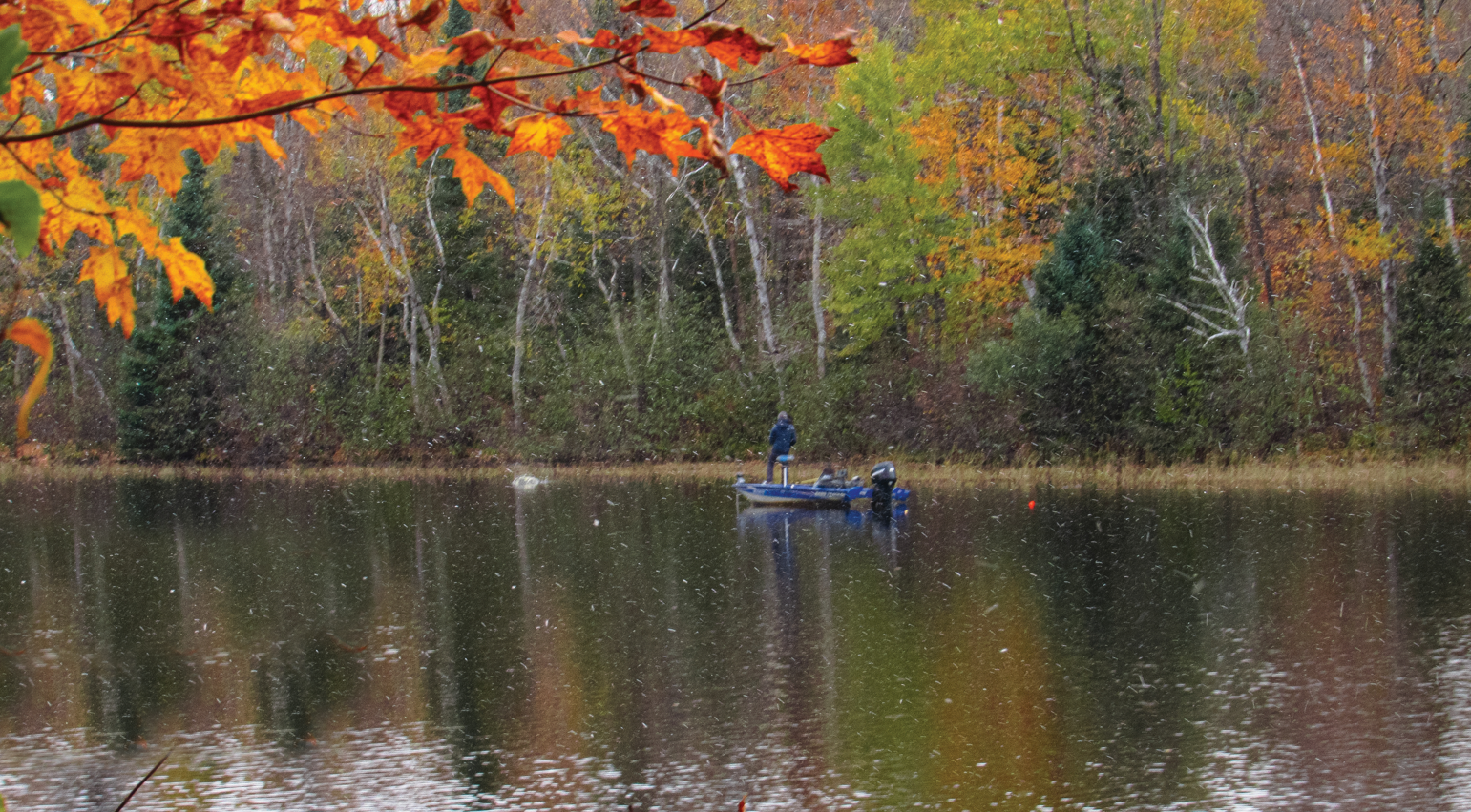
One thing is certain about outdoor activities in Iowa: they’re all tied to the weather and how each month transitions into the next. We make our plans based on how cool or hot it will be, whether we’ll see any precipitation, and what times will be best for both our activities and our bodies. Fish, quite honestly, behave much the same way. During the summer months, they tend to be more active early and late in the day when temperatures cool off. As summer gives way to fall, their activity increases—especially in the shallow areas of a lake that cool first.
In general, things start cooling off in September in Iowa. Across the state, average lows fall into the mid to upper 40s, and highs reach the mid to upper 70s. Any outdoor enthusiast would welcome days like that. As you chase after your favorite quarry, you can plan on spending an entire day on the water. It may be cool in the morning, but as the day wears on, you’ll likely be in short sleeves. Keep a hoodie handy, though—you’ll want it as things cool off later in the day. These cooler temperatures also trigger predatory fish to feed heavily and fatten up for winter.
BASS
As conditions cool and water temperatures swing downward, bass become more aggressive and will readily chase moving baits. You can start looking for active fish by using minnow-type baits. There are thousands of options available. A quick Google search shows tens of thousands of results in less than a second. The best choices come down to two things: a bait you’re familiar with and confident in, and a bait that matches the forage fish in the body of water you’re fishing. Vary the size and type of lure, and make casts along structure or the edges of drop-offs where bass typically hold and ambush prey.
CRAPPIE
In September, crappie begin moving from deeper summer spots into shallow creek channels and flats in 5–12 feet of water as they follow baitfish. You’ll see them become more active as water temperatures drop below 80 degrees.
Look for channels feeding into the main lake with secondary points and shallow flats. Brush piles, boat docks, and submerged wood in or near shallow water are prime areas for active crappie. Use minnows or jigs in 1/16 to 1/8 oz sizes. Shad-colored bodies work well in Iowa lakes since shad are a primary forage fish. Lowlight conditions favor the angler, especially as water temperatures cool and fish move shallower.
WALLEYE
Walleyes will still be following established summer patterns in most lakes and rivers. September is a transition month for these toothy critters, and a cold snap can push pods of baitfish shallow—with walleyes not far behind. Fall walleye fishing can be unpredictable, but many sources agree that the poorest weather often produces the largest fish. Most big fall walleyes are females preparing for spring spawn and nourishing developing eggs.
On some lakes, the best daytime bite will be on steep breaks into deep water. On others, shallow weed or rock bites become dominant. Longline trolling with shallow diving crankbaits—especially at night along shallow weeds or rock—can be effective on calm, clear days. It’s a method that produces some of the biggest lake walleyes of the year.
BLUEGILL
Much like crappie, bluegill begin moving into shallow areas as water cools. They’ll return to their typical haunts: residential docks, grassy shorelines, fallen trees, lily pads, and other underwater structures where you found them earlier in the year. Keep an eye out for small minnows—they’ll move shallow as well, and bluegill (along with many other species) will follow.
PREP FOR ICE FISHING
As you spend time on the water in the fall, you can also prepare for the coming ice fishing season by marking structures where fish will likely hold during winter. If your boat electronics transition from open water to ice mode, use the mapping system to mark areas you want to target. Smartphones and mapping apps make this even easier—drop a pin and return to it months later. It’s a great use of your time on open water: catch quality fish now and have your spots ready for ice season.
Always remember that being selective in your harvest ensures the resources we enjoy today will still be available for our kids, grandkids, and future generations. Limit your catch, take home only what you can consume, and release the rest. We are all part of the fisheries management system. Take someone fishing and…Tight Lines All!