
Engaging the Next Generation
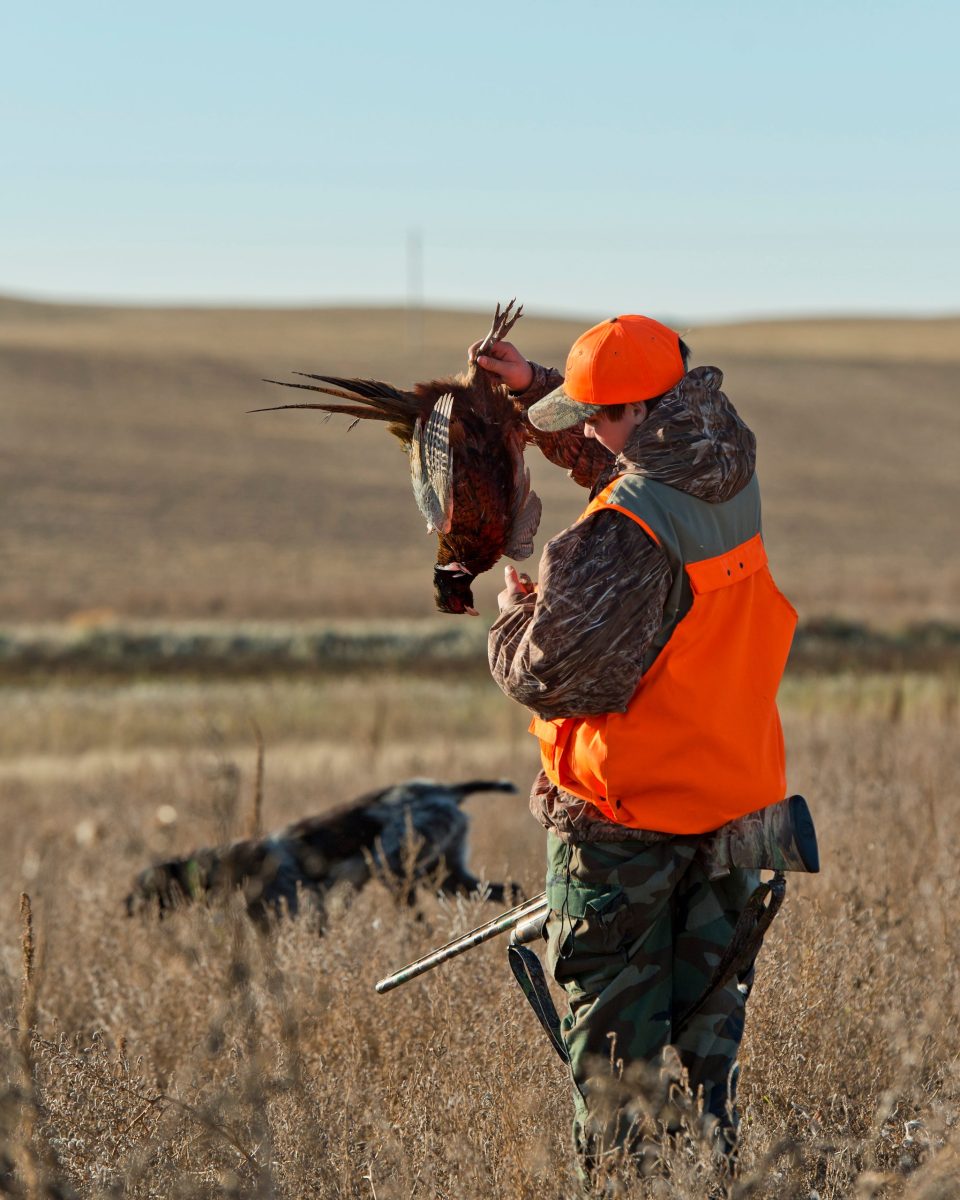
Engaging the Next Generation
The future of wildlife conservation in North America rests squarely on the shoulders of the next generation of hunters. For over a century, the North American Model of Wildlife Conservation has been predominantly funded by hunters through license fees and excise taxes on equipment. As the number of licensed hunters steadily declines, often referred to by conservation agencies as the R3 challenge—Recruitment, Retention, and Reactivation—the need to ethically and safely introduce young people to the tradition of hunting has never been more critical. This process is not merely about pulling a trigger; it is about cultivating a deep, lifelong connection to the land, fostering a sense of profound responsibility, and passing on a heritage that defines ethical interaction with the wild.
Reflections from Youth
My own journey into hunting began not with a trophy or a high-powered rifle, but with the quiet patience of a late autumn evening and the scent of damp earth. I was eight years old, huddled against the cold trunk of a massive oak, perched high in a borrowed stand that felt enormous for my small frame. My mentor, an uncle whose knowledge of the woods seemed boundless, whispered two things that evening that encapsulated the entire experience: “Be still,” and “Listen.” We didn’t see anything shootable, but I watched a great horned owl sweep silently past, and I learned to differentiate the sharp bark of a fox from the distant, heavy step of a deer.
It was an exercise in pure observation, a meditation that demanded complete presence. This initial experience underscores the first, most crucial rule of involving youth: make it about the woods, not the harvest. If the focus is solely on success or killing, a single unsuccessful season can extinguish their interest forever. If the focus is on the beauty, the tracking, the strategy, and the shared time, they are hooked for life, regardless of what they bring home.
The best mentors understand that the initial hook is the bond created in the field. I remember another day spent scouting, where my uncle tasked me with finding and identifying five different kinds of animal sign like tracks, a rub, and scat. It felt like a treasure hunt, turning the forest floor into a dynamic, living textbook. When we finally processed my first whitetail a few years later, the feeling wasn’t one of triumph, but of sober respect and accomplishment. I had followed the journey from start to finish—from scouting the area where it fed to field dressing and processing the meat for the freezer. That comprehensive involvement solidified the ethical framework, teaching me that the commitment to the resource extended far beyond the pull of a trigger. This holistic approach is the blueprint for effective youth recruitment.
Mentoring a New Hunter
Engaging youth in hunting is a multi-year process that should progress slowly and intentionally. It requires patience and a commitment to keep mentoring for several years. The very first step must be establishing the ethical and legal foundations of hunting. This stage should occur long before any live fire. Enroll the youth in an accredited state or provincial hunter education course immediately. Next, you want to engrain firearm safety. This means repeating verbal reminders and making sure the kids are practicing those reminders. Tell them to treat every firearm as if it were loaded. This means always point the muzzle in a safe direction, and to be sure of their target and what is beyond it. Lastly, remind them to keep their finger off the trigger until they are ready to shoot.
Conservation and Respect
Part of hunting and preserving it means introducing youth, but also instilling conservation and respect. Introduce the concept that hunters are the primary funders of conservation. Explain the role of population management and stress the importance to make a clean, quick, and humane harvest, as well as the mandate to utilize all meat possible. I think you will find not only do they enjoy hunting, but they enjoy the fields of praire grasses, the timber, and the nature around them.
Time in the Field (Or Timber)
Lately, I’ve seen a lot of parents get excited to help their kid get his or her first game bagged. Because of this, I’ve seen parents want to skip time in the field and get their kid to the point where they’re shooting game. Don’t you remember part of the excitement of hunting was tagging along with your dad and uncles? This was part of hunting, and some of the best memories were when I was included in the hunt, but not necessarily hunting. Ok, this also meant I had to walk a lot of drives, but as a kid, being part of someone’s hunt is pretty special. Before the youth ever carries a gun or bow, they need to master the art of being in the woods. This builds critical skills and reduces pressure.
Spend a few hours walking the property, identifying tracks, scrapes, rubs, and bedding areas. Teach them how to read wind direction, understand thermal currents, and use a map. Have the kid involved physically in the labor like clearing shooting lanes, setting up ground blinds, and picking out spots. My dad would have a spot narrowed down in his mind, point out deer sign and paths. He would ask my opinion on stand placement, and that meant a lot that he would consider my opinion and include me in this. All the work before season is still part of the hunting experience. This ownership over the preparation phase is hugely motivating for kids and engrains the knowledge to build upon.
Target Practice
Begin with a low-recoil, safe platform like a .22 or a .17 caliber rifle. The goal is to build muscle memory around safety and proper sight alignment, not to handle heavy recoil. This also helps discourage flinching from recoil or sound. Range time should be slow, methodical, and repetitive. The mentor must constantly check muzzle direction and finger placement. Only move to the hunting rifle caliber once safety and consistent accuracy with the training rifle are second nature. Coach them and prioritize safety and thinking about safety.
Low-Pressure First Hunts
For first hunts, often, small game like squirrel hunting is ideal. The action is faster, the recoil is lighter, and the pressure is significantly lower than a multi-day big game hunt. Start with hunts lasting only a few hours.
The hunt does not end with the shot. Involve the youth in field dressing and tracking the animal. They must understand the physical reality and the responsibility of the harvest. Explain how and why we hunt. Have the youth help skin, butcher, wrap, and freeze the meat. Eating a meal that they sourced and processed is a powerful, irreplaceable moment of connection. Lastly, encourage them to try different facets of hunting. Whether it’s archery, waterfowl, upland, deer hunting, the possibilities are there. The diversity of hunting keeps the interest alive and develops a broader skill set.
Safety, Safety Tips, and Essential Gear
Safety is the absolute foundation of the hunting tradition, particularly when mentoring youth. No hunt should ever begin without a review of safety protocols. Always ensure the muzzle is always pointed away from yourself and other hunters.
Teach the kids precisely when and where to load the firearm (only when ready to hunt) and when to unload it (before entering a vehicle or a house) The action must be opened and visually checked immediately upon unloading. It’s also a good idea to show them the yearly rules and regulations handbooks either online or physically so they can familiarize themselves with basic laws and season dates.
One of the most overlooked, yet critically important, safety aspects of hunting is the protection of hearing. The auditory cost of a single unprotected shot can be permanent, and teaching youth the importance of hearing protection is an act of long-term care.
Hearing loss from firearms is caused by impulse noise, which is a sudden, very short burst of sound. The threshold for permanent hearing damage is often cited at 140 decibels. Standard rimfire (.22 LR) rifles produce noise levels of around 140-150 decibels. Centerfire rifles and shotguns can easily exceed 160 decibels. Even a single blast without protection can cause irreversible damage. Simple foam earplugs or ear muffs offer excellent Noise Reduction Ratings. In the field, communication is vital. Electronic muffs or earplugs use sophisticated technology to protect hearing while still allowing the hunter to hear and communicate with their mentor. These can amplify safe sounds (like speech and rustling leaves) but instantly shut off or compress the sound when they detect a harmful impulse noise. While more expensive, electronic protection is often the best solution for young hunters as it doesn’t isolate them from the environment or their mentor.
Passing on a Legacy
Getting youth involved in hunting is a slow and rewarding process. It is about patience, safety, and a foundational commitment to conservation. By introducing them to hunting and trapping in a safe manner, we ensure that this heritage survives. Through patient mentorship, we are not just creating new hunters. We are forging future stewards of the land, one quiet moment in the woods at a time. This is the legacy that truly matters.
By Jacob Dean
February 2026
For Leading Dairy and Cattle Industry News: