
Early Spring Trout Fishing
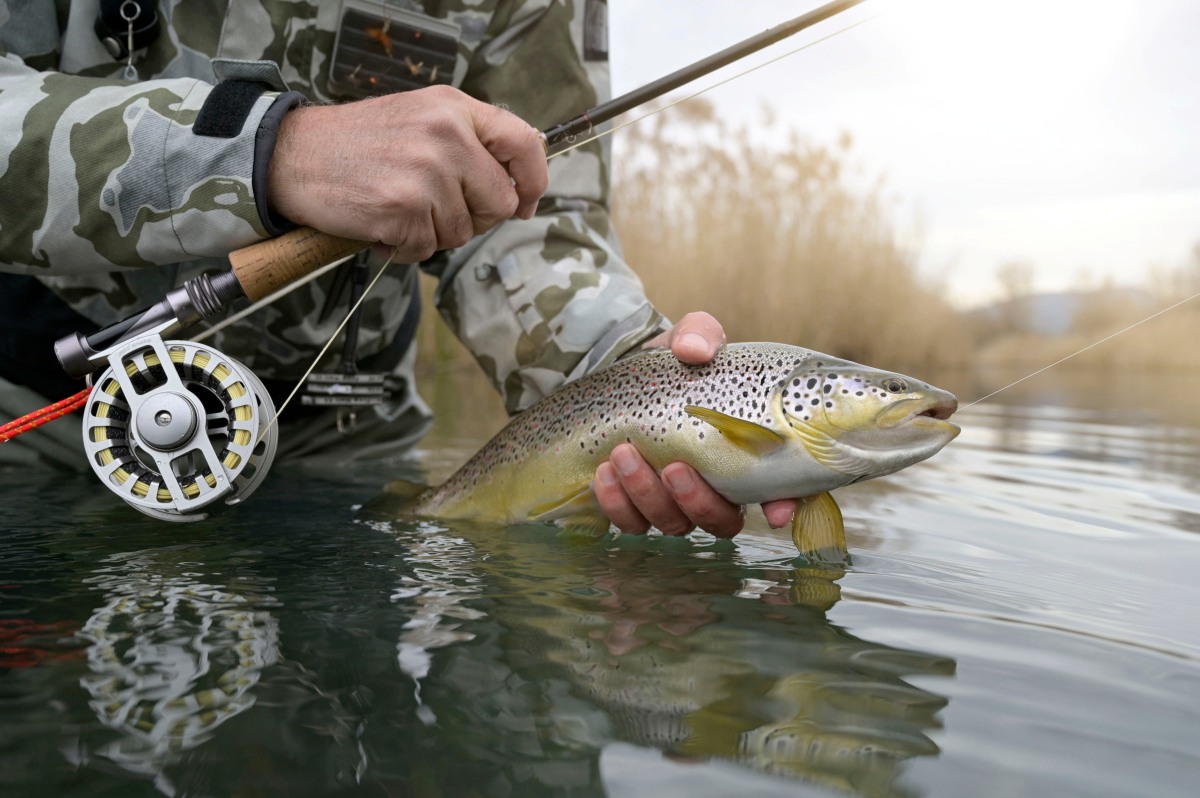
Early Spring Trout Fishing
Spring in Northeast Iowa’s Driftless Region marks the beginning of one of the most rewarding trout fishing seasons in the Midwest. This is one of the prettiest areas in Northern Iowa marked with limestone bluffs, spring-fed creeks, and rolling pastures. The Driftless Region contains a several cold, clear streams that flow steadily year-round. This creates perfect trout habitat, and spring offers fishermen peaceful days on the water. With stable water temperatures, increasing insect activity, and hungry post-winter trout, there’s no better time to explore these legendary streams.
Why The Driftless Region?
This region is a trout fishing hot spot, with almost half of its approximately 40 streams supporting self-sustaining brown trout populations. It’s rare in the Midwest to find so many creeks where wild browns reproduce naturally, and the Driftless is one of the few places where anglers can regularly chase fish that were born and raised in the very waters they swim. Serious anglers will appreciate the potential for trophy fish over 20 inches, particularly during early spring when big trout are more active and less pressured. The fishing opportunities go far beyond browns, though, they’re stocked with trout throughout the year. You can find a stocking schedule available on the Iowa DNR’s website.
What to Use?
While winter trout fishing can be slow, early March through May brings a surge of life. Water temperatures rise gradually, triggering increased feeding behavior. We will begin to see emerging insects. One of the earliest and most anticipated hatches is the Blue-Wing Olive. Browns and rainbows rise to the top offering excellent dry-fly action. Early black stoneflies flutter along the banks on warm days, and midges, ever present in the Driftless, become especially important during cold snaps or calm mornings. As spring nears, caddis join the lineup, with tan and black varieties dancing above riffles and seams.
When hatches aren’t happening, nymphing and streamer fishing excel. Driftless streams are known for their deep pools, undercut banks, and riffle-run-pool sequences, giving trout plenty of feeding lanes. Nymphs like Pheasant Tails, Hare’s Ears, Zebra Midges, Walt’s Worms, and scuds in orange or olive reliably produce fish. These patterns imitate the region’s abundant aquatic life, especially scuds, which flourish in the limestone-rich water. For anglers targeting big browns, streamers are the go-to choice in early spring. Woolly Buggers, Sculpzillas, and smaller leech patterns can provoke aggressive strikes from territorial trout emerging from winter lethargy. Low, gray skies and rising water after rains create perfect streamer conditions.
Fishing the Driftless requires a blend of stealth and finesse. The streams are often narrow and brushy, calling for accurate casts and creative techniques like roll casting or bow-and-arrow casting. A 4–5 weight rod is ideal, offering enough delicacy for small flies while still handling larger fish. Because the water runs so clear, especially in spring, lighter tippet, typically 5x or 6x is helpful.
Where to Go?
Despite its rural character, the Driftless Region is remarkably accessible. The Iowa DNR has worked with landowners to establish numerous public access points through easements, making it easy to explore new water without trespassing concerns. Stream signs clearly mark where anglers can fish, though it’s important to stay within designated corridors, close gates, and treat private lands with respect. Many streams lie within short drives of charming communities like Decorah, Waukon, and Elkader, making day trips or long weekend excursions convenient and enjoyable. This area is doted with charming towns with restaurants and places to stay too.
What truly sets spring fishing apart in Northeast Iowa is the serenity. Before summer crowds arrive, spring anglers often enjoy long stretches of water to themselves. Whether you’re a seasoned fly angler or new to trout fishing, spring in the Driftless Region provides unmatched opportunities—wild brown trout thriving in nearly half of its streams, healthy brook trout in cold headwaters, stocked rainbows for reliability, and even the chance at trophy browns over 20 inches. Early spring is the ideal time to chase these fish, and there’s no better backdrop than the limestone canyons and spring-fed creeks of Northeast Iowa.
By Jerry Russel
February 2026
For Leading Dairy and Cattle Industry News: