
Chase the Bite: Early Season
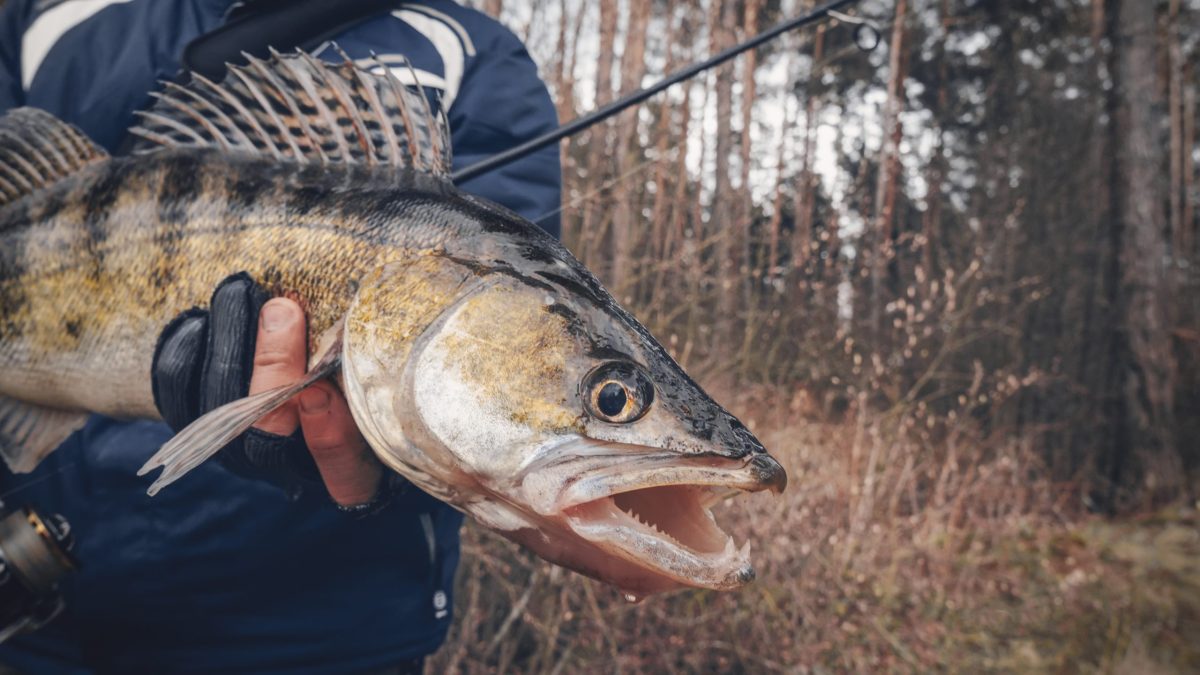
Chase the Bite: Early Season Walleye, Pike & Crappie in Iowa
As May approaches, every angler starts thinking about early-season fishing. Whether you pull your sleeping boat out of the garage or simply slide a couple of fishing poles in your car, you’re ready to find some active fish. The question remains: where do I start, and what do I look for?
In Central Iowa, we’ll start the month with average highs in the upper fifties, and by the end of April, we’ll be touching 70. Eastern Iowa will start off a little cooler with your highs by the end of the month in the lower sixties, and the same holds for Western Iowa. Northern reaches of the state will be cooler. But the trend, regardless of where you look for open water, things will be heating up.
Early Movers
As water temperatures begin to warm with the spring sunshine, fish will start moving from their winter haunts to shallower water in preparation for the coming spawn. If you can find water temps starting to dip into the 40-24 degree range, you’ll find walleye getting ready for courtship. They’ll start moving shallow and will be hungry. Some of the best areas to target are south-facing shores, since they typically warm up first. If you have a breeze blowing into the south shores, pushing warmer water in, both the predators and baitfish will move in that direction. Northern pike and musky will follow the walleye as they prepare to spawn. Early-season walleye, pike, and musky can be some incredible fishing. Right on the heels of these large predator fish will be crappie. And like the large predators they follow, they will be just as hungry and aggressive.
Where to Look
Walleye will look for hard substrates such as gravel, cobble, or rock. They will also be in shallow water, ranging from 1 to 6 feet deep. Early, as the ice reseeds, walleye will move into these areas or stage just off them. You’ll want to look for creek channels that come up into shallow water and border those shallow rocky spawning areas.
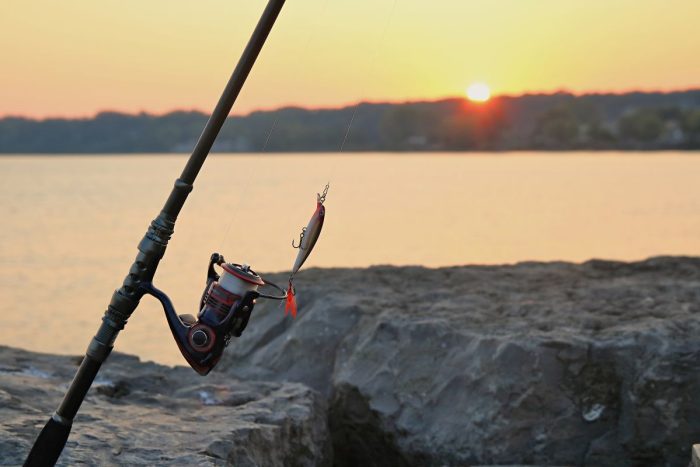
As they begin to stage during the prespawn, they will be actively feeding. The same goes for both northern pike and musky. In some way, they compete for the same spawning areas. Later in the day, depending on the weather, it will likely be better than early. While these fish move up early, water temps in the upper thirty’s will shut them down a bit. A nice south breeze creating turbid water will definitely increase your odds of success.
As water temperatures move into the mid-fifties, crappie will start moving shallower, staging outside their spawning areas. Like the earlier-spawning predatory fish, crappie will stage off shallow areas along creek channels. Baitfish will hover at the shallower end of the creek channel, where crappie will slide up and ambush them for a quick meal. Crappie prefer cover for spawning and will start building nests in shallower water where cover exists, on sandy or gravel bottoms.
Where to Go
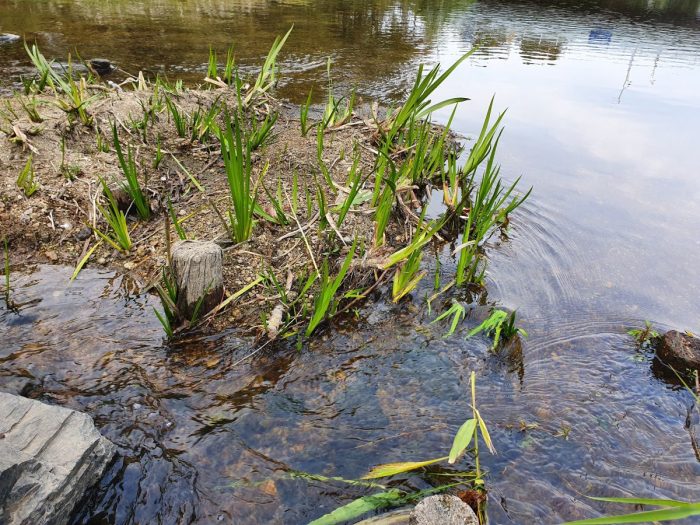 Go south, young man! Really, the southern reaches of Iowa will warm sooner than central and northern Iowa. Large bodies of water like Rathbun Reservoir would be a great place to start. Just remember that shallow is better early in the open water season. Ponds will also be a great place to start, and honestly, very early in the open water season, you’ll likely have pretty decent success. Again, south-facing shores are your go-to spots.
Central Iowa, Big Creek Lake is a great place to start. This lake has a very decent population of walleye, pike, and musky. Gill net surveys are conducted in early April, and some of the specimens that are seen each season are quite impressive. Walleye pushing thirty inches and musky up to forty inches have been seen.
North Central Iowa is home to Clear Lake and harbors a great population of crappie, walleye, northern, and musky. It’s also home to a pretty decent fishery of yellow bass, not much we’ve talked about, but it has definitely improved over the years.
As you continue to move to the north and west, the Iowa Great Lakes come to mind. Excellent fisheries in their own right, all the early-spawning species can be found there. Storm Lake, south of the IGL, is also a very popular walleye destination. Early in the season, anglers can be found wading in shallow water, pitching out baitfish imitating lures and plastics with great success.
Whether you head out to one of Iowa’s larger bodies of water or start your season at a favorite pond in your area, you’ll find some active fish. Remember that the largest of the species are typically female and carry the next generation of walleye, pike, musky, and crappie. There’s absolutely nothing wrong with harvesting these fish for table fare, just be selective in your harvest. Let’s keep Iowa’s fisheries viable and healthy for generations to come. Tight Lines All!
May 2026
BY BEN LEAL