
Bugs, Bites, and the Great Outdoors: Surviving Iowa’s Summer Pests
Bugs, Bites, and the Great Outdoors: Surviving Iowa’s Summer Pests
Summer in Iowa is one of the best times of the year to be outdoors. Anglers are chasing bass and bluegills, campers are filling state parks, and hunters are busy checking trail cameras, improving habitat, and preparing food plots for the fall. Unfortunately, we’re not the only ones enjoying Iowa’s warm weather. As temperatures rise, so does the activity of some of the state’s most bothersome pests. Mosquitoes, ticks, spiders, and other biting insects become a constant nuisance for anyone spending time outside.
While these pests are certainly annoying, they can also pose legitimate health concerns. Understanding the risks they present—and how to protect yourself—can help ensure your outdoor adventures remain enjoyable throughout the summer months.
Mosquitoes
Few things can ruin an evening outdoors faster than a swarm of hungry mosquitoes. Iowa’s wetlands, ponds, rivers, and even backyard birdbaths provide ideal breeding habitat for these insects. After periods of heavy rain, mosquito populations can explode seemingly overnight.
Beyond the itching and irritation of their bites, mosquitoes are capable of transmitting several diseases. In Iowa, the primary concern is West Nile virus, which has been detected in every county of the state. Most people infected with West Nile virus experience no symptoms, but some may develop fever, headaches, body aches, fatigue, and, in rare cases, severe neurological complications.
Hunters checking trail cameras in wooded areas and fishermen fishing evening bites often find themselves directly in peak mosquito activity.
To combat this, wear long-sleeved shirts and lightweight pants whenever practical. Insect repellents containing DEET, picaridin, or oil of lemon eucalyptus have proven highly effective at keeping mosquitoes at bay. Clothing treated with permethrin can provide an additional layer of protection and remains effective through multiple washes.
Ticks
Ticks have become one of the most concerning outdoor pests in Iowa. While many sportsmen grew up occasionally finding ticks after a day in the woods, today’s tick populations appear larger and more widespread than ever.
Several tick species are found throughout Iowa, including the lone star tick, and blacklegged tick, often referred to as the deer tick. They thrive in tall grass, brushy edges, timber, and overgrown fields, which is exactly the habitats many hunters and outdoor enthusiasts frequent.
Ticks can transmit several diseases, including Lyme disease, ehrlichiosis, anaplasmosis, and Rocky Mountain spotted fever. Lyme disease remains the most widely recognized tick-borne illness. Symptoms may include fatigue, fever, headaches, joint pain, and the characteristic bull’s-eye rash, although not everyone develops the rash.
The lone star tick presents an additional concern because it has been linked to alpha-gal syndrome, a condition that can cause an allergic reaction to red meat after a tick bite. Cases have been increasing throughout portions of the Midwest.
Prevention remains the best defense against ticks. When walking through brush or tall grass, wear long pants tucked into socks whenever possible. Light-colored clothing makes it easier to spot crawling ticks before they attach. Permethrin-treated clothing has become one of the most effective tools available to outdoor enthusiasts and can dramatically reduce tick encounters.
After spending time outdoors, conduct a thorough tick check. Pay close attention to the scalp, behind the ears, under the arms, around the waistline, and behind the knees. Quick removal greatly reduces the likelihood of disease transmission. So, check yourself once you come inside.
Spiders
Fortunately, the vast majority of Iowa’s spiders are harmless and actually provide benefits by controlling insect populations. The two spiders that receive the most attention are the brown recluse and black widow. Brown recluse spiders are relatively uncommon in Iowa but can occasionally be found in buildings, sheds, garages, woodpiles, and storage areas. Their bites may cause localized tissue damage and should be evaluated by a medical professional.
Black widow spiders are even less common in Iowa but are occasionally encountered. Their venom affects the nervous system and can cause muscle pain, cramping, and other symptoms that warrant medical attention.
For most people, spider encounters occur while working in sheds, moving firewood, climbing into tree stands, or reaching into storage areas. Wearing gloves when handling wood, checking boots before putting them on, and inspecting hunting equipment stored in garages can help prevent unwanted surprises.
Other Summer Biting Insects
Mosquitoes and ticks receive most of the attention, but they aren’t the only pests. Biting flies, gnats, chiggers, and horseflies are common throughout Iowa during the summer.
Chiggers, which are actually the larval stage of mites, often thrive in grassy fields and brushy areas. Their bites can produce intense itching that lasts for days. If you’ve been bit by chiggers, you’ll remember it. Wearing long pants and applying repellents can significantly reduce exposure.
Horseflies and deer flies are notorious for their painful bites and persistence around lakes, rivers, and livestock areas. While they generally don’t transmit diseases to humans in Iowa, they can quickly turn a pleasant day outdoors into an irritating experience.
Choosing the Right Clothing
Your clothing can be one of the most effective forms of insect protection. Lightweight, breathable fabrics help keep you cool while providing a physical barrier against bites.
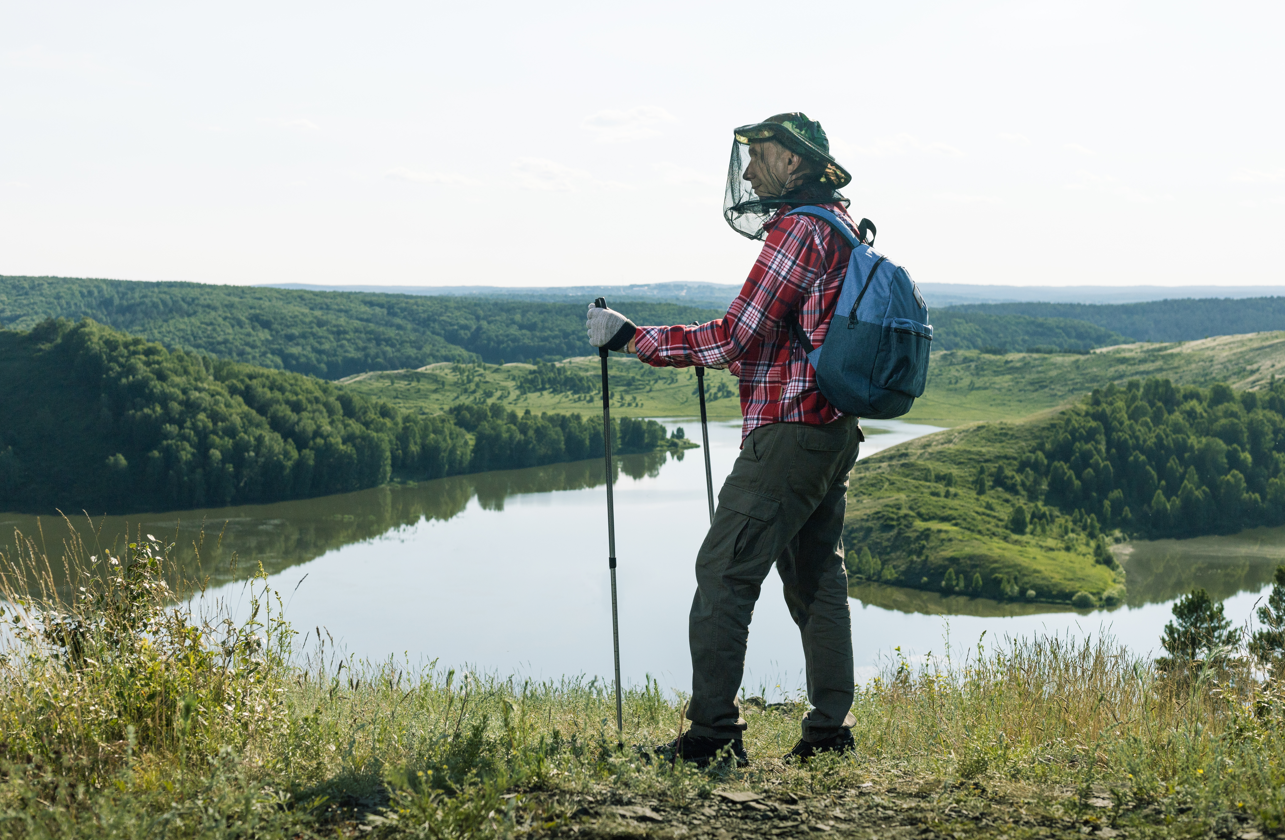
Consider wearing long-sleeved shirts and long pants when possible. Tuck pants into socks when walking through tall vegetation. Wear a hat to reduce exposure around the head and neck. Consider insect-repellent clothing treated with permethrin.
Many outdoor clothing manufacturers now offer garments specifically designed to repel insects while remaining comfortable during hot weather.
Sprays and Repellents That Work
Not all insect repellents are created equal. The most effective products typically contain one of several proven active ingredients.
DEET remains the gold standard for many outdoor enthusiasts and provides excellent protection against mosquitoes and ticks. Picaridin offers similar effectiveness with less odor and a less greasy feel. Oil of lemon eucalyptus can be an effective plant-based option for those seeking alternatives.
Permethrin is unique because it is applied to clothing and gear rather than directly to the skin. Once dried, it bonds to fabric and can remain effective for several weeks or multiple wash cycles. Many hunters and hikers treat boots, socks, pants, and backpacks with permethrin before heading into tick-prone areas.
Regardless of which product you choose, always follow label directions and reapply as recommended.
Enjoying Iowa’s Outdoors Safely
The presence of mosquitoes, ticks, spiders, and other pests shouldn’t discourage anyone from enjoying Iowa’s incredible outdoor opportunities. Whether you’re fishing a farm pond, hiking a woodland trail, checking trail cameras, or preparing food plots for deer season, a little preparation goes a long way.
By understanding the risks these pests present, wearing appropriate clothing, using proven repellents, and performing routine tick checks, you can significantly reduce your chances of bites and disease exposure. Summer in Iowa offers some of the best outdoor experiences of the year, and with a few precautions, you’ll spend less time swatting bugs and more time making memories afield.
For Leading Dairy and Cattle Industry News: