
Trapping Bobcats
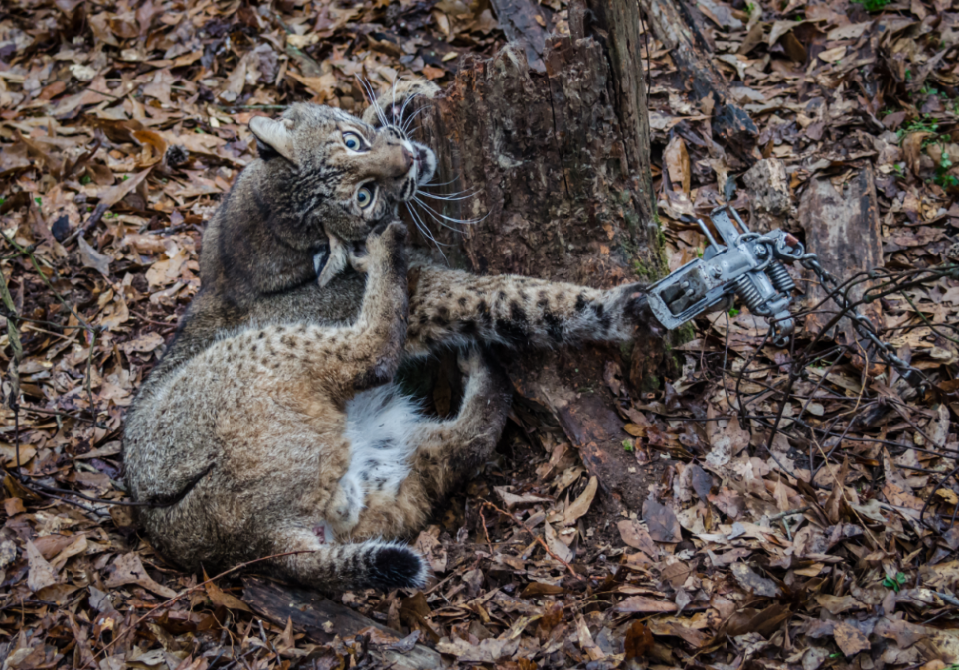
Trapping Bobcats
I remember the first time I saw a bobcat like it was yesterday. It was nearly 20 years ago, back when I was in high school. I was bowhunting in a timber when some movement caught my attention. Coming from the south, a big male bobcat was sneaking along the creek. I watched as he made his way through the timber. He was a beautiful animal. His coat was a mix of yellows and golds, broken up by dark spots that gave him excellent camouflage. It was early afternoon, and he was on the move.
For a young hunter, it was an incredible sight. Since that first encounter, I’ve been fortunate enough to see bobcats every year. They remain one of the most fascinating animals I encounter in the Iowa woods. There is something special about seeing one. They can appear out of nowhere, slip through the timber like a ghost, and disappear just as quickly.
For years, seeing a bobcat in Iowa was a rare treat. Today, that story has changed. Bobcat numbers have grown, particularly across the southern two tiers of Iowa counties, giving more hunters and trappers an opportunity to trap one.
With a growing population and rising fur prices, now may be a great time to give bobcat trapping a try. You don’t have to be a lifelong trapper to get started. Learn the basics, understand how bobcats use the landscape, pay attention to the details, and put in some time. With the right approach, you may find yourself looking at those unmistakable spots through the jaws of your first bobcat trap.
Where to Find Bobcats
If you want to trap a bobcat, you first need to find them. Bobcats are predators, and they spend much of their time in areas where they can find food while staying hidden. They like thick cover. I usually find bobcats around creek bottoms, especially where there is plenty of cover and squirrels and rabbits. They also love turkey. If you find an area loaded with prey, there is a good chance a bobcat is using it, too.
Look for places that provide both food and cover. Cedar thickets, brushy creek banks, brush piles, field edges, and CRP trails are all good places to start. Mowed trails through CRP are especially worth checking when rabbits and other small prey are using them.
Don’t overlook areas close to people, either. Bobcats are surprisingly comfortable around houses, farms, and the edges of towns.
The key is to look for the combination of prey, cover, and travel routes. Find an area where rabbits and squirrels are abundant, then start looking for the places a bobcat can move through that habitat without being exposed. The best dirt-hole set in the world won’t produce if you put it in the wrong place.
Bobcats can cover a lot of ground, but they are creatures of habit. Once you learn to recognize the kind of habitat they prefer, finding good locations becomes much easier.
Making the Set
If you’ve trapped coyotes or foxes before, you’re probably familiar with the standard dirt-hole set. A bobcat dirt-hole set uses many of the same principles, but there are a few important differences.
I prefer not to dig my dirt holes ahead of time. Instead, I dig the hole and make the set fresh when I’m ready to trap. Bobcats are naturally curious, and a fresh, visually interesting set can help catch their attention.
A standard dirt hole can be dug at roughly a 45-degree angle or straight into a bank. For bobcats, I like to make the hole fairly large, about the diameter of a pop can, and as deep as the soil allows.
There are a couple of theories when it comes to making sets. One is that if they see the disturbed earth, then they’ll spook and avoid it. Another theory is that disturbed soil can help make the set more noticeable. I’ve trapped them on super clean, well-hidden sets, and also one sets that have exposed dirt. It just comes down to catching the right cat in the right mood.
Cubby Sets
Another solid set for bobcats is a cubby set. Sometimes, I use sticks from the area to build a small cubby at the base of a tree, shaping it into a V with the wide end facing the tree. I leave just enough room in the back to bed a No. 2 or No. 3 trap.
I place the bait in the back of the cubby and keep it out of sight. Tucking the bait back into the cubby makes the bobcat reach in and investigate, putting it right where you want it. This is also where a visual attractor comes in. I hang a piece of aluminum over the cubby with fishing line so it moves in the wind. Bobcats are very curious animals, and that bit of movement can catch their attention and bring them in for a closer look. It’s a simple set, but it has worked well for me over the years.
Think “Walk-Through”
This is one of the biggest differences between a typical coyote dirt-hole set and the way I like to set for bobcats. With a traditional coyote set, the trap is generally positioned back from and slightly offset from the hole. The goal is to get the coyote to approach the hole and step on the trap. With a bobcat, I like to put the trap much closer to the lip of the hole and turn the set into more of a walk-through dirt hole. The idea is to make the cat move past the hole rather than simply walk straight up to it.
Using vegetation to funnel the cat into the trap is vital. Limbs, rocks, logs, corncobs, or clumps of grass can all help shape the cat’s approach. The goal is to make the trap pan the most natural and inviting place for the cat to put its foot. Mowed trails through CRP can be excellent locations. I like to dig the hole along the edge of the trail, using the taller grass as a natural backing for the set.
Make the Set Stand Out
Bobcats are curious animals, so I like a set that catches their attention visually. A clump of grass or a piece of dark, burned wood can make an effective backing. The dirt hole itself should be obvious, with the fresh soil providing additional visual appeal.
I also like to use multiple smells at different points around the set. A small amount of bait can go into the bottom of the dirt hole. Cat or coyote urine can be applied to the backing. They’re cats and can be moody. The idea is to give the cat several reasons to investigate while encouraging it to move its feet around the set.
Add Some Visual Appeal
Know your rules and regulations. In areas where regulations allow it, visual attractors can be useful. Always check the current Iowa trapping regulations before using exposed bait or other attractors. If feathers are not legal to use in an exposed position, there are other options worth considering. I’ve used pieces of faux fur. The important thing is to stay within the regulations while creating something that catches the cat’s attention.
Cold Weather Can Help
For me, cold weather makes bobcats easier to catch because they tend to move more. Late January and February can be prime time, particularly when toms are traveling extensively in search of females.
Of course, Iowa’s regulations and season dates determine when you can legally pursue bobcats, and your personal trapping goals may mean your season ends before the best movement occurs. Always check the current regulations before setting traps.
Tips on Bait and Lures
Bobcats are curious animals, and a good bait paired with a visual attractor can make a set hard for them to pass up. Meat-based baits like rabbit, beaver, or squirrel are good choices. A small piece of bait tucked into the back of a set can draw a cat in without leaving the bait out in the open.
Lures can add another level of scent to the set. Bobcat gland lure, cat lures, and other food-based lures can help get a cat interested. A small amount is usually all that is needed.
With the growing population of bobcats and rising fur prices, now is a good year to go out and try your luck at bobcat trapping. With these tips you should be able to make a good set, and hopefully you’ll be addicted to trapping like I am. Good luck!
Follow us on Facebook! The Iowa Sportsman | Facebook