
Tips for Finding Pressured Pheasants
Tips for Finding Pressured Pheasants
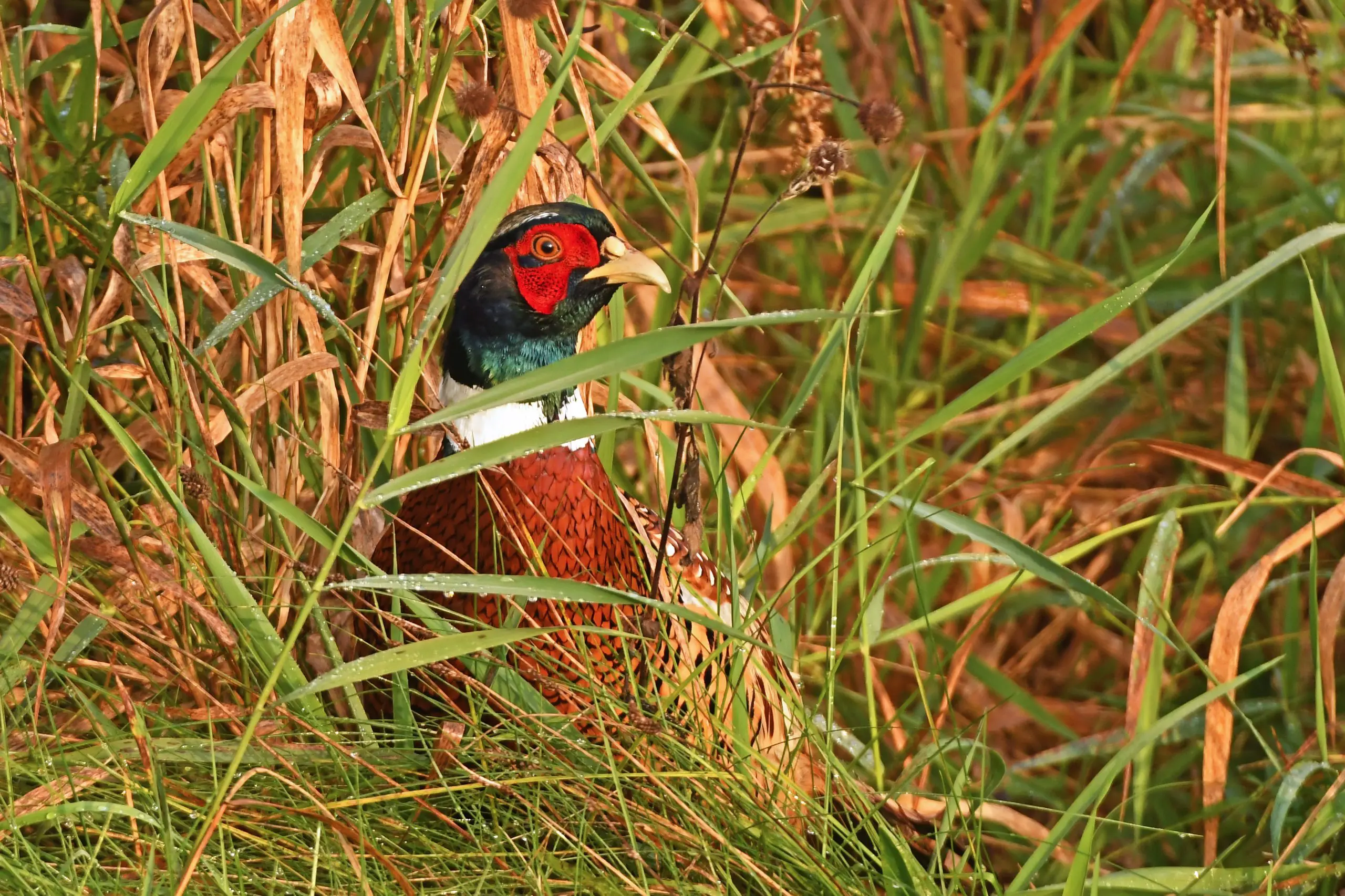
As the season takes its toll, pheasants get more anxious, educated, and seemingly less flighty. They’ve seen it all: dogs, multiple-person drives; now it seems as if they’ve become dormant. Where did they go? What will it take for you to change your game to get into more birds? Look for these things, and you’ll be able to fill your limit during the late season.
Head For Thick Cover
When the cold fronts start making their annual return through the prairies, the birds are on the move to find the quickest cover to keep them warm through the winter. In wetter areas that were once difficult to trek through, cattails provide a thick stand to block bitter winds. Roosters will often migrate towards these sloughs for refuge when the ground freezes. Be cautious when treading through the marshes in the winter, but the bounty will be plentiful when you find the spot.
Switchgrass and foxtail are grasses that grow like a monoculture relative to a farmer’s standing corn and will provide birds with not only cover, but they will feed on the seed heads. Depending on the size of the plot you plan to hunt, work slowly but stay ready. The birds may be right at your feet. Native brush can be a make-or-break for your hunt in the latter part of the season. Species like wild plum, chokecherry, and highbush cranberry can be vital to a bird’s survival, so pushing through the thick woodies can improve your success.
Late Season Food Sources
As many of us do, we plant food plots in the spring to keep more birds on the property. Sorghum and corn are great choices to hold birds through the summer well into the winter months due to the fact that they also provide cover. Soybeans are also a crowd favorite to bring in roosters but can get picked off by deer and turkeys.
When it comes to hunting food on public ground, you have to think outside the box. Not all roads lead to similar outcomes. For example, if a public hunting area has two food plots planted for pheasants, but one access point is off of a state highway, and the other is down off a Level B road, which do you think the majority of hunters will take their chances? My point is that the farther away and off the beaten path from hunter accessibility that food source is, the more frequent that pheasants are going to be in that area, facing less pressure.
Looking for a wilder food source? Like said previously, native woody brush can produce plenty of wild food for pheasants to feed on during the colder months as well as provide cover. Plants that produce a heavy seed head, like switchgrass and Indiangrass, are a great alternative to trying to find commercial crops left standing. In this next section, I’ll explain why you should do your research.
The More Diverse The Habitat, The Better
It goes without saying that a good prairie is the best habitat. The more native you can find, the better, for finding an undisclosed location for better bird hunting. A mature pheasant utilizes roughly a square mile for a home range, so you have to think as he thinks. When I say this, a field of smooth brome may hold some birds, but it lacks diversity. The fewer plant species an area has means it has little potential to keep the birds you’re trying to hunt. The more diverse means more food and more cover.
The best term that habitat managers look at is more of a “living room, kitchen, bedroom” concept. The living room is the forbs and grasses they use throughout the day, the kitchen being a food source close to the living room, and the bedroom is thick cover like switchgrass. Finding an area holding these components will hold flocks of birds, so scout this offseason and do your homework to make yourself successful!
Get Out There!
Late-season pheasant hunting is all about adjusting to the birds and the conditions. As pressure increases, successful hunters have to look beyond the obvious spots and focus on thick cover, dependable food sources, and diverse habitat. Pay attention to areas that offer everything a pheasant needs, food close to quality cover and safe places to escape the cold and pressure. Do your homework, scout beyond the beaten path, and think like a pheasant. When you find the right combination of habitat and hunt it strategically, those late-season roosters may not be as hard to find as you think.
Pheasant season starts on the last Saturday of October and runs through January 10th of the new year, meaning they face a force of pressure for two months. Once the opening season crowds fade, use these tactics with your groups of friends, family, and dogs to fully adapt to the changing behaviors of the pheasants that call the Hawkeye State their home and limit out this fall!