
Lessons Learned from the Duck Blind: Waterfowl Hunting Tips
and Lessons Learned from the Duck Blind
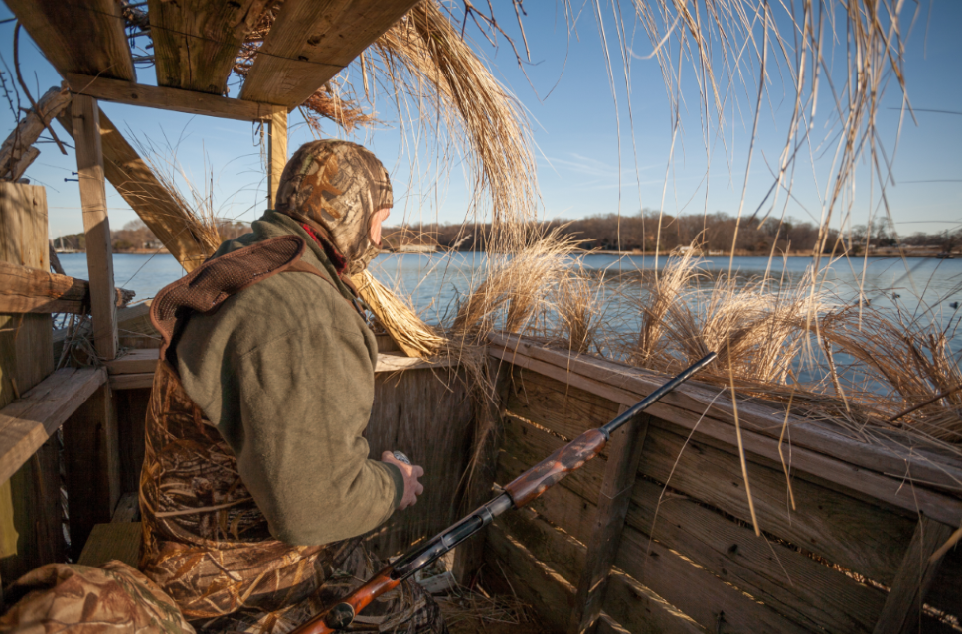
The morning air was cold as I settled into the blind, my shotgun resting across my knees. Two buddies and I were able to get together on the Friday after Thanksgiving. We’ve grown up together, and they were the ones that got me into duck hunting. A thin layer of fog hovered above the water, and it was a gorgeous morning. I watched the sky begin to brighten. Then, just as the first hints of daylight appeared, I heard the familiar whistle of wings cutting through the crisp morning air. A small flock of mallards circled overhead, their green heads catching the faint morning light. I called softly, and to my excitement, they began to work their way toward the decoys.
As the ducks lowered their wings and committed to the spread, my heart began to pound. I slowly raised my shotgun, took a breath, and waited for the right moment. When the flock was within range, I swung through the lead bird and pulled the trigger. The sound echoed across the water as the ducks scattered, and one dropped cleanly into the decoys. My retriever sprang into action, splashing through the shallows to make the retrieve. As I watched him return with the mallard in his mouth, I couldn’t help but smile. It wasn’t just the harvest that made the morning special. It was the peace of being outdoors, the thrill of the hunt, and the memories made in the quiet moments between flights.
I didn’t get into waterfowl hunting until I was 17 years old. I had grown up around the outdoors shotgun hunting deer, but waterfowl were never part of the picture. “You’ll never forget your first morning out here,” they told me. They were right, but there were a lot of mistakes I made. I wish I had a little more advice and preparation before I went waterfowl hunting the first time. Looking back, these are the mistakes I made and the lessons I learned.
Mistake No. 1: No Scouting
One of the biggest mistakes I made early on was not understanding how important scouting is. I came from a deer-hunting background, where I was used to studying bedding areas, food sources, and travel routes. Waterfowl hunting requires a similar approach, but the birds can change their patterns quickly.
The truth is, it’s not just about how to duck hunt. It’s about where the ducks are. My first hunt was successful because my buddies had already put in the time to figure out where the birds were coming from and where they wanted to go. I simply showed up and enjoyed the experience.
New hunters often make the mistake of setting up wherever there appears to be good water or a promising field. However, if the birds aren’t using that area, you won’t see them.
Scouting should begin long before opening morning. Spend time watching fields, ponds, marshes, and wetlands during the early morning and evening. Look for consistent flight patterns, feeding areas, and places where birds rest.
Across Iowa and much of the Midwest, you don’t necessarily need big water to find ducks and geese. Small wetlands, flooded ditches, and sheet water in harvested fields can all attract birds. Starting with a manageable location can make the learning process easier. Don’t guess where the birds are. Watch them, learn their habits, and hunt where they want to be.
Mistake No. 2: Going Hunting Without Practicing
My first waterfowl hunt taught me another important lesson: Ducks are fast, and shooting at them is much different than shooting at a stationary target or a deer. New hunters sometimes assume that because they can shoot a shotgun well at the range, they will automatically be able to hit a duck in the air. That isn’t always the case. Waterfowl are moving targets, and birds can change direction or speed in an instant.
I learned quickly that proper practice matters. Before heading into the field, spend time shooting clay targets and working on your ability to track a moving bird. Practice mounting your shotgun smoothly, maintaining focus on the target, and following through with your swing.
A common mistake is stopping the barrel as soon as the trigger is pulled. That can cause a hunter to shoot behind a moving bird. Learning to keep the gun moving and understanding lead takes time and practice. It’s also important to pattern your shotgun with the ammunition and choke you plan to use. Knowing how your shotgun performs at different distances can help you make better decisions in the field. Practice before the season, and don’t expect your first hunt to be perfect. Missing birds is part of the learning curve, but preparation can help you improve.
Mistake No. 3: Thinking You Need Complicated Decoy Spread
One mistake new hunters make is believing they need the most expensive gear or the biggest decoy spread to be successful. In my experience, that isn’t necessarily true.
I’ve hunted with guys who put a lot of thought into elaborate decoy arrangements, but I’ve also found that simple setups can work just fine when the birds are in the area and the conditions are right. I’ve never owned a spinning-wing decoy, and I don’t believe you need every piece of equipment on the market to enjoy a successful hunt.
The key is to keep things simple and focus on the fundamentals. Start with a manageable number of decoys and arrange them in a way that creates an open landing area. Consider the wind and where you want the birds to finish. Ducks often prefer to land into the wind, but they don’t always follow the rules.
More important than having the perfect spread is being in the right location and staying concealed. If the birds aren’t using the area, no amount of equipment will solve the problem.
I’ve also learned that comfort should be a priority. Staying warm and dry will keep you in the field longer, and more time in the field means more opportunities to learn. You don’t need the most expensive gear or a complicated setup. Start with the basics, learn what works, and invest in equipment as your experience grows.
Mistake No. 4: Calling Too Much and Moving Too Much
Calling is one of the most exciting parts of waterfowl hunting. When I first started, I wanted to call at every bird I saw. It was exciting to hear ducks overhead and try to get their attention. Over time, though, I learned that calling isn’t always about making more noise. Sometimes it’s about knowing when to stop.
New hunters can also make the mistake of moving too much when birds are approaching. Ducks have excellent eyesight, and sudden movement can cause them to flare before they ever reach the decoys. I’ve watched experienced hunters make only a few soft calls, stay still, and let the birds do the rest. When ducks are already committed and working toward the spread, excessive calling can do more harm than good.
The best way to improve is to spend time listening. Pay attention to how real ducks sound and how they respond to different calls. Start with simple calls and learn how to use them to get a duck’s attention without overcalling.
Mistake No. 5: Trying to Learn Everything on Your Own
One of the biggest advantages I had when I started was the opportunity to hunt with experienced waterfowl hunters. My buddies introduced me to the sport, helped me understand what was happening around me, and showed me how much goes into a successful hunt.
New hunters sometimes believe they need to figure everything out on their own. They spend money on equipment, watch a few videos, and head to the water expecting everything to fall into place. While there is certainly value in learning through experience, having a mentor can shorten the learning curve considerably.
Every experienced waterfowl hunter started somewhere. They made mistakes, missed birds, struggled with decoys, and learned how to read changing conditions. Spending time with someone who has been doing it for years can help a new hunter avoid some of those frustrations.
However, there is no substitute for time in the field. The more mornings you spend hunting, the more you begin to recognize bird behavior, weather patterns, and the little details that can make a difference. Find a mentor, ask questions, and don’t be afraid to admit you are new. Most experienced hunters are happy to share what they’ve learned.
Keep Learning and Hunting
Since that first hunt, I’ve gone out several times, and each trip has taught me something new. I’ve made mistakes, missed birds, and learned through trial and error. That’s simply part of becoming a better waterfowl hunter. I’ve also learned that the sport is about much more than the birds in the bag. Some of my favorite memories have come from the camaraderie in the blind.
It’s never too late to start waterfowl hunting. Just understand that the sport takes time to learn, and your expectations may need to be realistic. You will make mistakes and will miss birds. You will have mornings when nothing seems to go right. However, if you stay patient, learn from experienced hunters, and keep putting in the time, you’ll build the skills and instincts that make waterfowl hunting so rewarding.
At the end of the day, the best advice I can give a new waterfowl hunter is simple: Be safe, spend time outdoors, learn from your mistakes, and enjoy the people you share the blind with. The birds are only part of the experience. The memories, friendships, and moments that keep you coming back are what make the sport worth it.