Maintaining Iowa Acreages
Maintaining Iowa Acreages
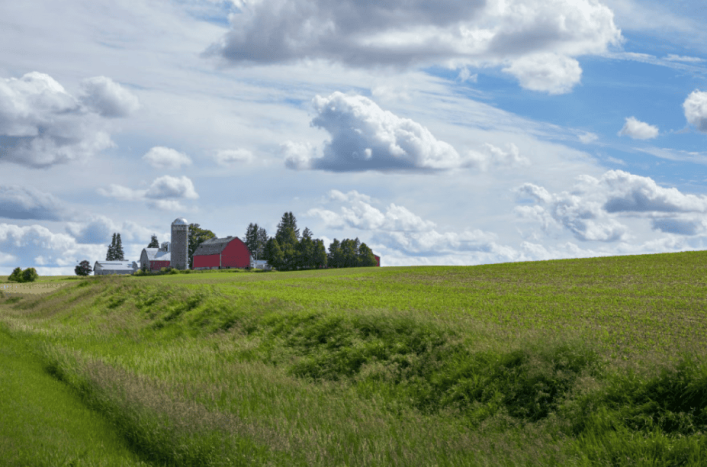
Owning your own slice of heaven in Iowa means something different to everyone. For
some, it may be a couple of acres on the edge of a small town. For others, it might be an
entire mile-by-mile section to manage for wildlife and income. No matter the size,
location, or usage, there will never be an acreage that doesn’t require maintenance.
Five areas of typical acreage maintenance include water, vegetation, infrastructure,
equipment, and long-term investments. Every property is different, but most acreages
need attention in each of these maintenance areas.
Water Management
Water management is essential on any Iowa acreage. Because heavy rain is inevitable,
homes, sheds, and other structures need proper drainage to keep water away from their
foundations and prevent costly damage. Installing tile lines from downspouts or other
runoff collection points can quickly pay off. Culverts, bridges, and other crossings should
also be inspected regularly to make sure water can flow downhill without obstruction.
Streams, creeks, rivers, and other drainage channels can be stabilized by grading
banks and adding deep-rooted vegetation or riprap to reduce erosion. If your property
includes a pond, protect the drainage area feeding it and avoid disrupting the natural
flow path. Rain will come, so your acreage should be prepared for it.
Get a Plan for the Growing Season
Vegetation comes in many forms. Take inventory of what grows on your property. Are
you growing crops, a green lawn, timber, or prairie? Most acreages will have multiple
types of vegetation, and each type will require its own management style. Keeping
grassy areas mowed down will help keep unwanted trees, shrubs, and other invasive
species from taking over. Areas left wild to allow for wildlife still need to be managed, too.
Manage Unwanted Weeds & Brush
Identify unwanted species such as Autumn Olive and Tartarian Honeysuckle, and
develop a plan to remove these species. Invasive species that are not managed
become unmanageable in a short amount of time. They may be treated with herbicide,
prescribed fire, or heavy equipment. Timber pieces often need some work to encourage
understory growth. Remove undesirable trees to open the canopy and allow sunlight to
reach the forest floor. A District Forester will be able to help evaluate your timber pieces
if you are unsure where to start. Having healthy timber may result in long-term
investment for you or your next generation.
Fences & Property Lines
Many acreages include existing infrastructure, and fencelines and property boundaries
should be checked first. Because fences are not always placed exactly on the property
line, hiring a surveyor to locate and mark property pins is a wise first step. Inspect
fences for fallen trees, broken wires, and rotted posts. Well-maintained boundaries
clearly define your property and help keep livestock out. In Iowa, the landowner facing
the fence is generally responsible for the right half. Fence upkeep is an ongoing cost
that requires both time and resources.
Improve Existing Construction
Your acreage may also include outbuildings such as sheds, barns, and grain bins.
Inspect them regularly for leaks, wind damage, and other weather-related issues. Watch
for rodent activity as well, since many rodent species are common in Iowa. The roads or
trails leading to these structures also need maintenance. Add rock and regrade them as
needed to keep access open. If emergency responders ever need to reach your
property quickly, well-maintained roads will matter.
Get the Right Equipment
Equipment can make owning an acreage much more manageable. The most common
types you’ll find in Iowa are small utility tractors and vehicles. If your budget allows, a
tractor that can push snow, move large trees, till soil, plant, and handle many other
tasks can save hours of hard labor. A UTV or ATV will take you around the farm easier
than your daily driver. They can be used for many different functions, too, like spraying,
hauling feed, or whatever else you can think of. Smaller pieces of equipment, like
chainsaws and weed trimmers, are a must for most acreage owners. Keeping areas free
and clear of downed limbs and weeds is part of the true Iowa acreage owner’s
experience!
Continuous Improvement
The final aspect of acreage ownership is investing in the property’s long-term value.
While you may enjoy it now, one day it will likely pass to someone else. There are many
ways to increase its value over time. Planting and caring for trees can add significant
worth by providing shade, improving the landscape, and, in some cases, producing
valuable timber. Some tree species can sell for several dollars per board foot at
maturity. Timber stand improvement (TSI) can further increase the value of high-quality
timber and boost your property’s long-term return.
You may also consider adding recreational value to your acreage. Excavating an area
for a pond can add aesthetics, irrigation, and a place to fish and spend time with loved
ones. Planting fruit trees or other perennial species that bear food adds value. Installing
terraces, buffer strips, or other conservation practices will preserve the land for many
years to come. Adding value to your property only enhances the assets you invested in
and the return on that investment will follow.
Acreages are becoming harder to find, as no more land is being made, and prices
continue to go up. Owning your piece of property to live out your dream will require
some sweat equity, but it will be well worth the reward and sacrifice.
For Leading Dairy and Cattle Industry News: