Planting More Than a Plot: Why Fall Food Plots Matter
Planting More Than a Plot: Why Fall Food Plots Matter
I remember the first time we got him on trail camera. My jaw dropped.
A 160-inch 8-point we started calling “The Big 8.” The kind of deer that makes you lose sleep trying to figure out how you’ll ever get close.
The next time I saw him, he wasn’t on a screen.
He was standing broadside in my first fall food plot.
Sure, seeing him on the hoof was more impactful than seeing him on camera, but what made that moment stick with me was where it happened. I was sitting in a ground blind on the edge of a plot I had planted months earlier.
At the time, a 160-inch 8-point would have easily been my largest deer to date. And even though I had already seen several deer use the plot, watching that buck step out was proof. Proof that the work mattered. Proof that the effort we had put in months earlier had made a difference.
By the time October rolls around, most hunters are focused on wind direction, stand placement, and trail camera photos. But long before that first cool morning arrives, there’s work that determines how the season will unfold.
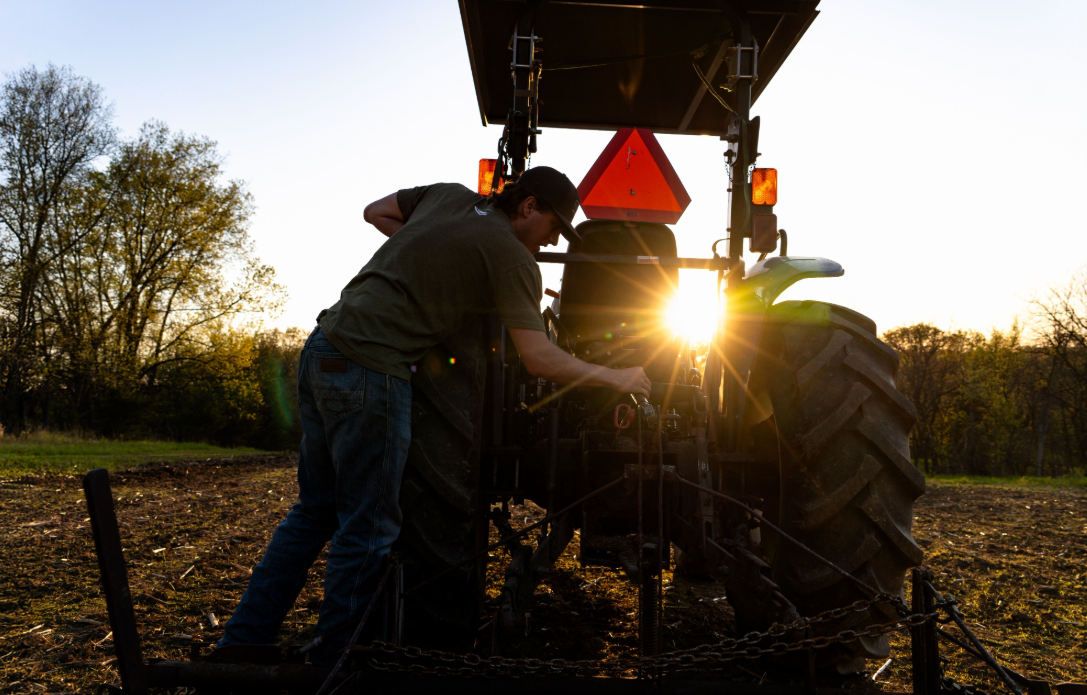
For our family, success in the fall starts months earlier, with dirt on our boots and seed in our hands. Planting fall food plots has never been just about attracting deer. It’s about preparation. It’s about stewardship. And it’s about building something that lasts longer than a single season.
Success Starts in the Off-Season
One of the greatest lessons bowhunting teaches is that opportunity is earned long before the moment arrives. A fall food plot forces you to think beyond instant gratification. You’re not just asking, “How do I kill a buck this year?” You’re asking, “How do I improve this property? How do I create consistency? How do I make this land better for not just the next season but the next generation?”
That mindset shift is powerful. When you turn soil in late summer, you’re making an investment, not just in deer movement, but in the overall health of your property.
Meeting a Critical Nutritional Need
Fall is one of the most physically demanding times in a whitetail’s life. Bucks enter pre-rut and rut phases where they burn tremendous calories chasing does and covering ground. Does are recovering from raising fawns. Young deer are still growing. And all of them are preparing for colder temperatures that increase energy demands. At the same time, natural food sources begin to decline. Crops are harvested. Native vegetation begins losing nutritional value as it matures, and mast crops like acorns fluctuate from year to year.
A well-planned fall food plot steps in at exactly the right time.
Brassicas, cereal grains, winter peas, and clover blends provide digestible carbohydrates for energy and protein for recovery and maintenance. That nutrition helps deer enter winter in stronger condition and recover more effectively after the rut. If you care about herd health, not just harvest, fall plots are one of the most practical tools available.
Creating Predictable Movement
Mature deer don’t move randomly. They move between bedding cover, security, water, and food. When you influence one of those variables, you influence movement.
Strategically placed food plots create consistency. Positioned near bedding cover, along travel corridors, or tucked into staging areas, plots become part of a deer’s daily routine. Over time, patterns form, and patterns create opportunities for hunters.
The key is alignment. When your food source complements natural movement and offers security, deer use it confidently. That confidence often translates into earlier daylight movement, even if it’s only a few minutes. Those few minutes can be the difference between filling a tag and watching a deer walk away.
Competing in Pressured Environments
Few of us hunt in isolation. Neighboring pressure, shifting crop rotations, and seasonal changes constantly impact deer movement. In a state like Iowa, where standing beans can disappear overnight, and cornfields are harvested quickly, those shifts can completely change deer patterns in a matter of days.
When large agricultural fields are harvested, deer begin searching for the next reliable food source. When pressure increases, they seek security. A small, well-placed fall plot, especially one close to thick cover, can become a preferred feeding destination simply because it offers both food and safety.
Security is what gets mature bucks on their feet before dark. In heavily pressured areas, that combination can be the difference between seeing a deer on camera at midnight and seeing him during shooting light.
Extending Your Season
One of the biggest advantages of fall food plots is how they carry value deep into the late season.
Brassicas sweeten after frost. Winter wheat and rye remain green as temperatures drop. Root crops like turnips and radishes continue providing energy even when snow arrives.
As natural food sources fade, deer shift into survival mode. Energy-rich food becomes the priority. If your property provides one of the few remaining high-quality options, deer stay. And when deer stay, late-season hunting becomes far more predictable. Consistency through changing conditions is one of the greatest benefits a food plot offers.
A Tool for Better Information
Food plots aren’t just attraction points; they’re intelligence hubs. Because deer return consistently, trail cameras placed on plots provide valuable insight. They help you keep track of inventory of both bucks and does on the property. They help you figure out the travel direction and entry routes to and from the food plots. Lastly, they can help you pinpoint the timing of movement. That information allows you to hunt smarter. Instead of guessing, you make decisions based on patterns you can actually observe. Better information leads to better hunting decisions.
The Family Factor
For our family, many of our favorite moments haven’t happened in a treestand. They happened during work. Some of these moments include getting ready and spreading seed, checking the soil, and watching the radar for rain. There is a sense of accomplishment when standing in a freshly planted field and hoping it takes.
Food plots give families a reason to work together toward something that requires patience. You plant in late summer and wait weeks to see results. You invest effort without immediate reward.
In a culture built around instant outcomes, that lesson matters.
When deer step into a plot we planted together, it connects the entire process, preparation, patience, and harvest. My boys don’t just see the hunt. They see the groundwork that made it possible. That’s a deeper understanding of what hunting really represents.
Small Acreage, Big Impact
You don’t need hundreds of acres to benefit from fall plots. In fact, smaller properties often see dramatic change because even a quarter-acre kill plot, placed correctly, can centralize movement. Keep in mind: smart access routes, thoughtful wind strategy, and proximity to bedding cover. Intentional placement often matters more than plot size. When done right, a small property can feel significantly larger simply because deer begin using it more consistently.
Planting fall food plots isn’t a shortcut. It’s a commitment.
A commitment to habitat improvement.
To herd health. To disciplined preparation. To thinking beyond this season.
Hunting has always been about more than filling a tag. It’s about stewardship, taking responsibility for the land and the wildlife entrusted to it. When you put seed in the ground months before you ever climb into a stand, you’re demonstrating that mindset.
You’re choosing preparation over impulse. Long-term growth over short-term gain. Legacy over ego, and that’s why, year after year, we plant. Not just for the hunt. Not just for the harvest, but for something bigger than a single season. If I’ve done anything right, my boys will be doing the same thing with their kids long after I’m gone, planting food plots and putting down roots of their own.
3 Things I Learned From My First Fall Food Plot
-
Location Matters More Than Size
Even a small plot can be effective if it’s placed near bedding cover and natural travel routes. Security often determines whether deer use a food source during daylight.
-
Fall Plots Fill a Critical Gap
As crops are harvested and natural foods decline, a well-planted fall plot can become one of the most reliable food sources available.
-
The Work Starts Months Before the Season
Food plots remind us that successful hunting isn’t just about opening day, it’s about the preparation that happens long before the season begins.
Author Bio:
David Holder is a bowhunter, land manager, and co-founder of Raised Hunting. Along with his family, he spends much of his time improving habitat, planting food plots, and chasing whitetails across the Midwest.