
Deer Hunting Preparation in June: Set Up for Success
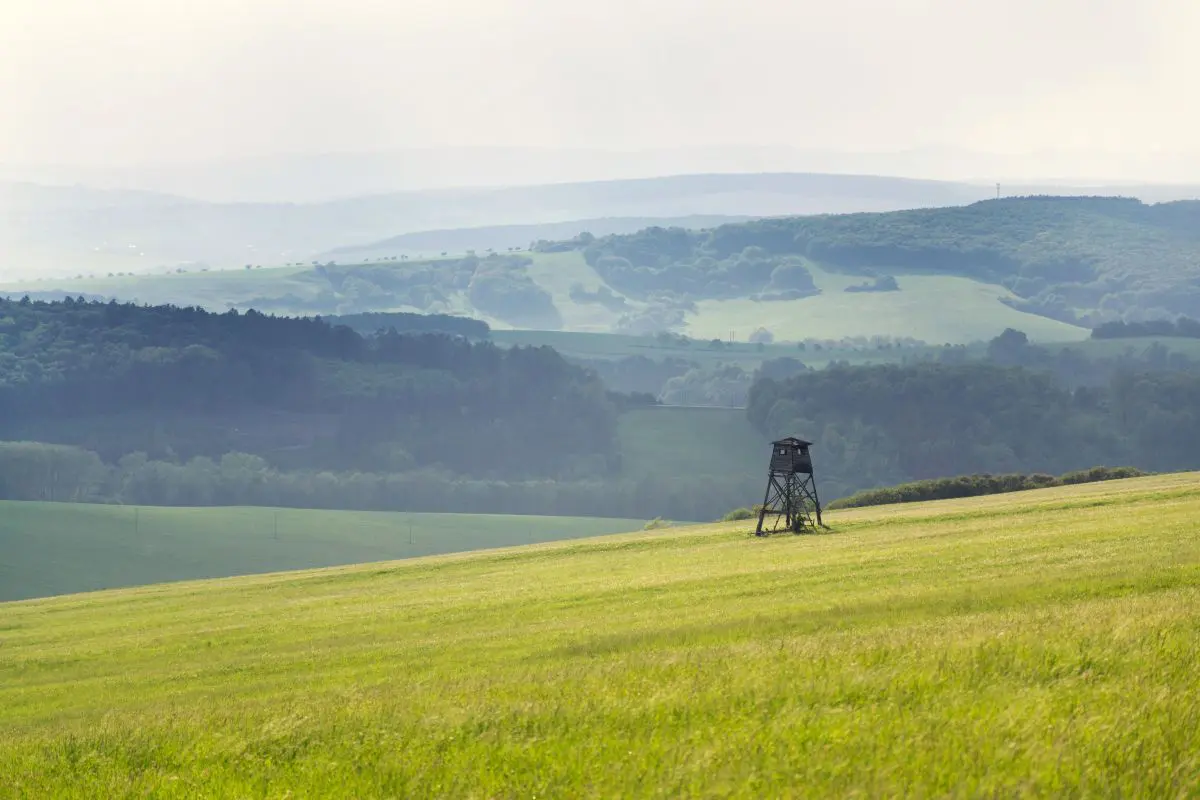
June Preparations: Setting Up for Deer Hunting Success
If you ask a deer hunter what their favorite month of the year is, the month of June is most likely not near the top of the list. In fact, most hunters may say this is their least favorite month of the year. Humidity and temperatures are rising, we are still several months away from the hunting season, and most side projects, including planting food plots, shed hunting, and scouting, have either already taken place or will take place in another month or two. This begs the question, what does a deer hunter do when it comes to deer hunting preparation in June?
Even in the middle of the year, there are still several ways to get out and prepare for the upcoming hunting season. Proactive deer hunters have opportunity to check in on their progress of spring plantings, conservation projects, and begin inventory on their deer herd. Upkeep and maintenance of trails, access points, and other farm-related projects may be best served in June too. Let’s dive a little deeper into these different projects and what else can be done near the halfway point in the year.
Conservation and TSI
Outdoorsmen who have taken the initiative to enhance their farms through conservation practices find June to be an ideal time to check on the progress of their efforts. It’s a good opportunity to observe areas improved through timber stand improvement (TSI). These sections may display promising new growth beneath the canopy, as increased sunlight and spring moisture stimulate the emergence of fresh vegetation. When walking in these areas, look for deer beds and keep an eye out for fawns that may have recently been born.
Deer rely on thicker cover to protect their young. Spotting a few fawns is generally a positive sign of improved deer habitat. Additionally, native prairie plantings may begin to show signs of late spring and early summer species such as butterfly milkweed, wild bergamot, and purple coneflower. Seeing these species flourish indicates your prairie is well on its way to thriving.
As you monitor these improvements, it’s important to take note of which plant species are growing in your desired areas, whether in TSI sections, food plots, or anywhere else on your farm. Early summer is the optimal time for plant identification, as distinguishing features are more apparent. Often, landowners discover patches of thistles in locations intended for food plots or notice Russian olives spreading throughout the understory of timber. Addressing these invasive species before they go to seed or fruit is crucial to prevent their spread.
Mowing, spraying, hack and squirt, or a combination of these techniques will help improve your farm for both immediate use and future quality.
Identify and Pattern Bucks
June can also be prime time for deer hunters to start taking inventory of their herd. As bucks’ antlers begin to develop, there may not be enough growth to spot fully formed racks, but it’s still crucial to set up trail cameras. Camera placement strategies shift during the summer, since bucks typically don’t roam as far or as frequently. By moving cameras to different spots and adjusting them regularly, hunters can get a clearer picture of which bucks are using their property. Trail cameras also provide insight into fawn survival rates. Some years you might spot plenty of twin fawns, while other years fawn sightings are scarce.
These observations can offer valuable clues about the environmental factors affecting your herd. Elements such as quality cover, abundant browse, fewer predators, and available water all play a role in deer populations and density.
Manage the Spring Rains
Iowa experiences heavier rainfall in the months leading up to, and including, June. Rainfall has its obvious perks, but it can also cause issues for hunters. Hunters should check on crossings after the spring rains. Make sure culverts, tubes, and bridges do not wash out. Add rip rap to adjacent banks to retain embankments and keep them from eroding. There may be enough moisture to seed down bare spots on trails and paths where utility vehicles, farm equipment, and personal vehicles access the farm. Wet spots in fields may indicate a plugged or collapsed tile. Fixing drainage issues may cause damage to the affected area, but it is better to fix now than to let it stay wet for the rest of summer.
Trees & Permanent Food
One final task that hunters, or any outdoorsmen, may add to their June itinerary should be checking on tree plantings. Trees may have been planted as part of a TSI project, food source, aesthetics, or many other reasons. By early summer, healthy trees should be leafed out and show signs of fresh budding near the tops of stems. If your trees are munched off at the top, it’s a good sign deer are pressuring them and protection should be added. If leaves are yellowing or non-existent, the trees may be receiving too much or too little water.
Planting at this time of year isn’t ideal unless you have access to water and can supply the trees with the recommended amounts. Consult your local nursery or district forester about what trees may benefit your farm..
Don’t stay inside in June. Get outside, check on your food plots and farm infrastructure, and begin to investigate your deer herd. Deer hunting can truly be a year-round hobby. Don’t forget that the early summer months offer some of the best weather to introduce your spouse, kids, or other friends and family to the projects you have been working on. Put some sweat equity into your farm this summer and reap the rewards later this fall.
June 2026
By Lane Rummelhart
Give us a Follow on Facebook to Keep up to date on New issues and more!