
River Tactics for Summer Bass Success
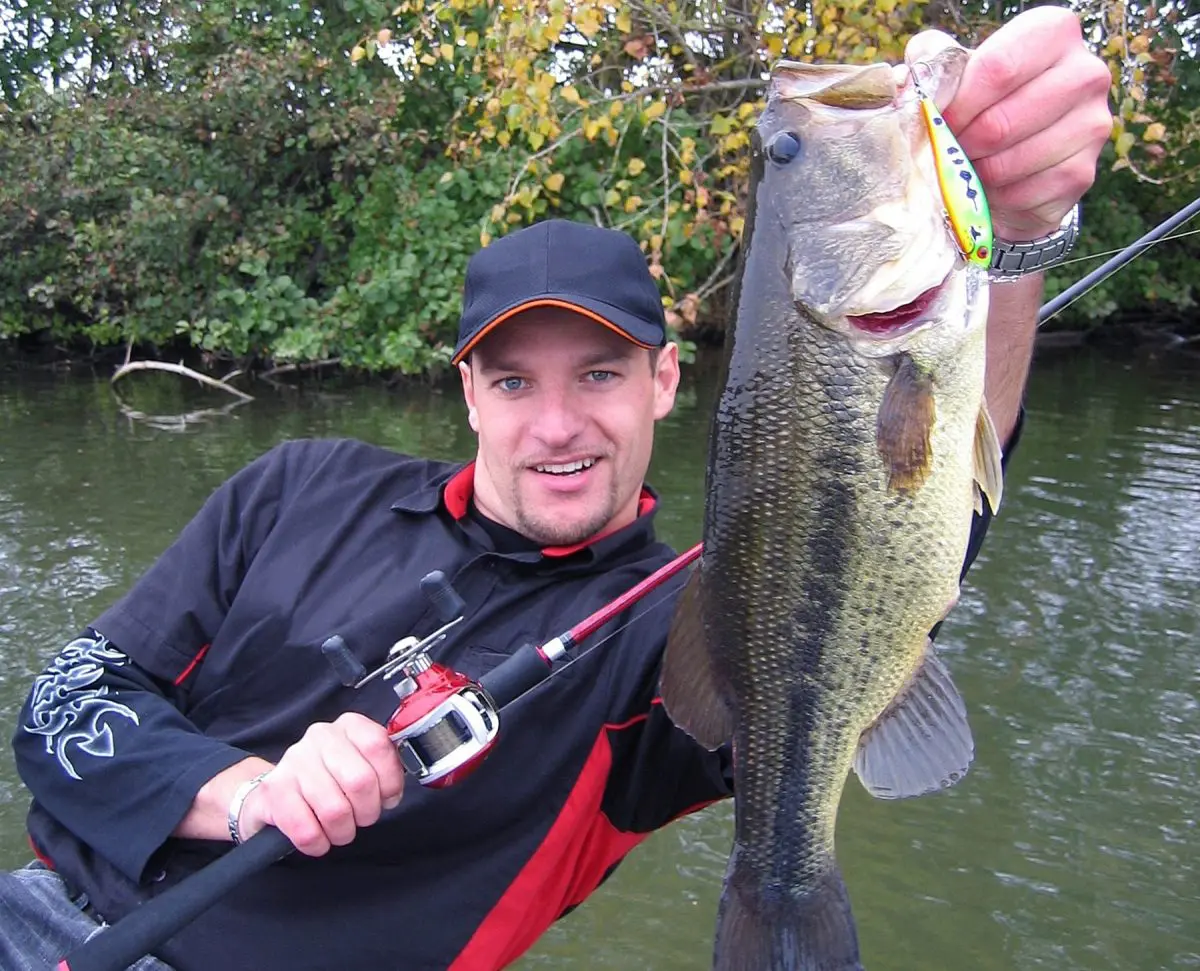
Dog Days Smallmouth Fishing: River Tactics for Summer Bass Success
Fishing for smallmouth bass during the dog days of summer can test even the most experienced anglers. High temperatures, low oxygen levels, and sluggish fish behavior often leave fishermen wondering where the bass have gone. That’s where river tactics for late summer bass come in.
The truth? They haven’t disappeared—you just need to understand how summer conditions change river ecosystems.
Once you learn bass river tactics on how to read water and recognize the key factors influencing fish behavior, late summer can become one of the most productive times to catch quality smallmouth bass in Iowa rivers.
How do you catch smallmouth bass in late summer?
Focus on cooler, oxygen-rich areas like stream inflows, riffles, and deep pools. Fish early and late with aggressive lures and switch to slow presentations during midday heat.
The Key to Summer Success: Understanding the “Big 4”
Every successful late summer smallmouth pattern comes down to four critical factors:
- Temperature
- Oxygen
- Food
- Cover
When water temperatures rise, these elements dictate exactly where bass position themselves—and how aggressively they feed.
Why Smallmouth Bass Move in Late Summer
Smallmouth bass are far more sensitive to environmental changes than many other species. Unlike warm-water fish like largemouth bass or bluegill, smallmouth thrive in more moderate conditions.
- Ideal temperature: ~70°F
- Stress begins: 85°F+
- Danger zone: 90–95°F
As water warms, oxygen levels drop. This forces bass to relocate to areas where they can conserve energy while still having access to food.
👉 That means location becomes everything.
Where to Find Smallmouth in Hot Weather
1. Cool Water Inflows (Hidden Gold Mines)
One of the most overlooked summer hotspots is where small streams or springs feed into a river.
These inflows:
- Lower water temperature
- Increase oxygen levels
- Attract baitfish and insects
If you find one—fish it thoroughly. It can hold multiple quality bass in a small area.
2. Riffles and Current Seams
Riffles naturally oxygenate the water, making them prime feeding zones.
Focus on:
- The downstream edge of riffles
- Current seams where fast and slow water meet
These areas act like conveyor belts delivering food directly to waiting bass.
3. Deep Pools and Cut Banks
During peak heat, smallmouth retreat to:
- Deep pools
- Steep cut banks
- Rocky bottom structure
These locations provide:
- Cooler water
- Reduced current
- Protection from sunlight
4. Shade and Woody Cover
Shade is critical in summer.
Look for:
- Downed trees
- Log jams
- Overhanging banks
These areas not only reduce temperature but also serve as ambush points.
Daily Smallmouth Movement Patterns
Understanding when bass move is just as important as knowing where they go.
Morning (Prime Feeding Window)
- Bass move shallow
- Feed aggressively
- Target baitfish near surface
👉 Best time for fast-moving lures
Midday (Survival Mode)
- Fish retreat to deeper, cooler water
- Become less aggressive
- Hold tight to cover
👉 Slow down your presentation
Evening (Second Feeding Surge)
- Light fades
- Water cools slightly
- Bass become active again
👉 Another excellent opportunity for topwater action
Best River Tactics for Late Summer Smallmouth Bass
🔥 Topwater & Reaction Baits (Morning & Evening)
Use when bass are actively feeding:
- Buzzbaits
- Zara Spooks
- Prop baits
- Wakebaits
These lures:
- Cover water quickly
- Trigger aggressive strikes
🎯 Subsurface & Finesse (Midday)
When fish slow down, switch tactics:
- Soft plastic stickbaits (Senko-style)
- Swim jigs
- Small swimbaits
- Mepps spinners
- Crankbaits
👉 Fish them slow and deliberate
🌳 Fishing Heavy Cover
Don’t avoid tough structure—target it.
Use:
- Texas-rigged plastics
- Weedless jigs
Throw directly into:
- Timber
- Log jams
- Brush piles
👉 This is where big fish hide
Best Lure Colors for Summer Smallmouth
Stick to natural forage colors:
- Brown
- Green pumpkin
- White
- Black
- Shad patterns
- Crawfish tones
If bites slow down:
- Downsize your bait
- Increase retrieval speed slightly
Quick-Hit Tips for Iowa Smallmouth Anglers
- Fish early and late to beat the heat
- Always look for cooler water sources
- Focus on oxygen-rich areas
- Don’t ignore small structural changes
- Adjust lure size before changing locations
The Pattern That Changes Everything
That moment when you connect the dots—temperature, oxygen, food, and cover—is when fishing transforms.
It’s no longer random.
It becomes predictable.
And once you recognize these patterns, you’ll start finding fish in places others walk right past.
Final Thoughts: Turn the Dog Days Into Your Advantage
Late summer fishing isn’t about luck—it’s about awareness.
Pay attention to:
- Water temperature
- Flow changes
- Structure
- Light conditions
Do that, and you’ll discover something most anglers miss:
👉 The dog days of summer can produce some of the biggest smallmouth bass of the entire year.
So get out on your local Iowa river, read the water, trust the pattern—and enjoy some of the best fishing the season has to offer.
May 2026
By Nick Johnson
Leading Industry News for Cattle Industry Visit American Cattlemen