
Pre-Spawn Bass
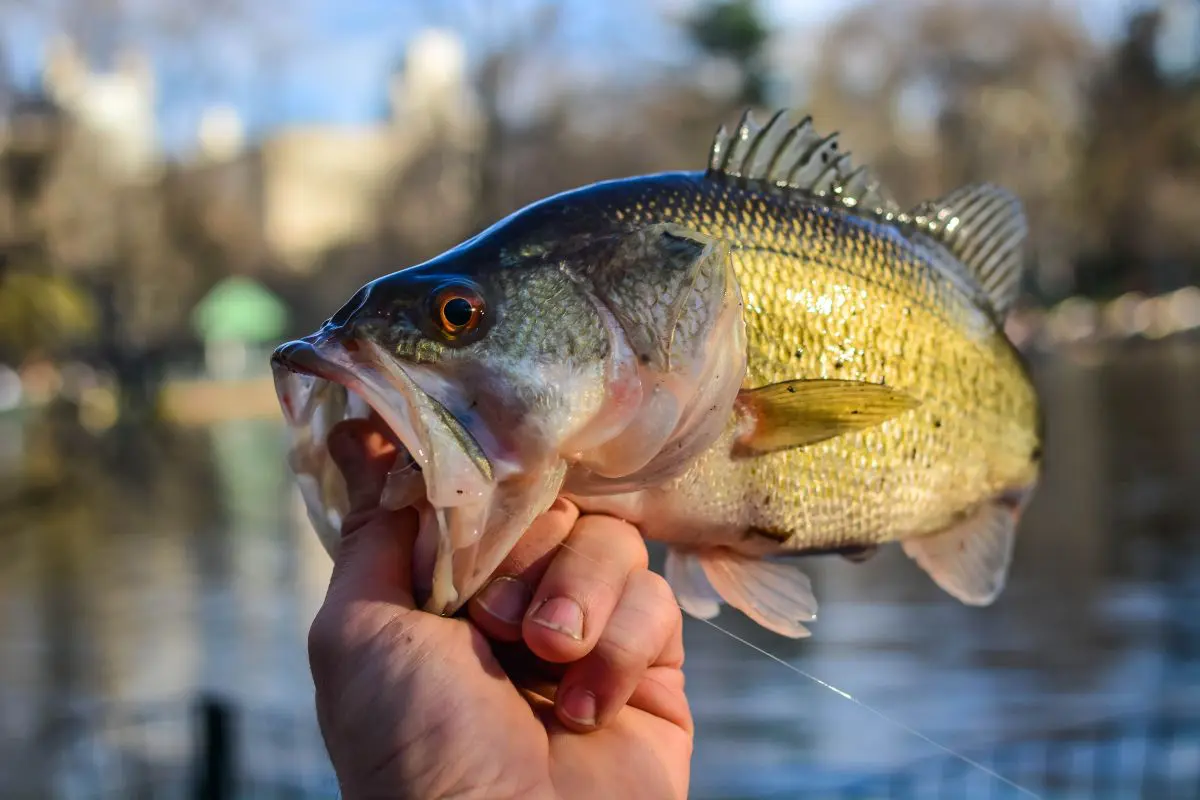
Pre-Spawn Bass
One of my all-time seasons for bass fishing is when the water temperatures begin to climb and bass start making their move from deeper winter homes to shallow water where spawning will take place. The transition really begins as water temperatures rise to around 48-58 degrees. Both largemouth and smallmouth bass will start looking for transition zones. Creek channels giving way to shallow water will be target areas. If you can find the baitfish hanging up in the shallow waters at the edge of these channels, you’ll find bass waiting in ambush.
Biggest Bass of the Year
Historically, pre-spawn and early springtime bass fishing produce the biggest fish. Why? Large female bass are feeding generously as they prepare for the spawn. These large fish will stage off spawning areas next to deeper water. They will actively feed, especially during a warm, stable weather pattern. Throw crankbaits on the deeper breaklines, 10-15 feet of water, and lipless crankbaits for shallow breaklines. These are your search tools. You can cover quite a bit of water looking for active fish. Slow down and work the area thoroughly once you’ve connected with a good fish. There will be schools of larger fish staging off creek channels from the mouth of the creek on up.
As you’re looking for these transitional zones, look for deep water meeting shallow areas. Those could be points and humps along the creek channel, where baitfish may even stage at the top of the hump. With the conveniences of modern technology, there are many apps for your handheld devices that can show you contours and where humps or saddles may lie beneath the water. These are great areas to target. Not all of them will have active fish, but having a map will reduce the time you spend searching for them. Smallmouth bass like rocks, gravel, stumps, and structure near future spawning flats. Largemouth bass are prone to look for areas in shallow areas with a sand or muddy bottom with cover close by.
A Prime Time for the Bite
Pre-spawn bass are in a word…”aggressive”. They are putting on the feed bag, building up energy for the coming spawn. They’re staging off shallow spawning areas as they wait for water temperatures to increase to 60-75 degrees, when they’ll start actively building nests. Peak activity will occur around 68°F.
Males will excavate shallow circular nests in hopes of attracting a mate. Once they move into the full spawn, things will slow down as they spend time guarding their nests.
Where to Find Them
As we previously noted, these fish will be looking for shallow, warming water. Temperatures will range from 38 degrees in the morning to about 64 degrees for highs throughout the state in April. As May approaches, temperatures will continue to rise, with lows down to 45 degrees and highs around 74 degrees in the afternoon. They will vary at times depending on whether you’re north or south. Early in the month, things will be slow, but just like you and me, they’ll be drawn to the warming sun. Shallower bodies of water will warm up faster than others, as well as south-facing shores. Bays off large bodies of water, where it’s shallower, are places to look. Again, the key is to look for that transitional habitat where these bass will hold. As the water really begins to warm, you can sight fish for these bass. Guido Hibdon was known as one of the pioneers of sight fishing for spawning bass. Using a spinning rod and reel loaded with lighter line that most would even consider using for large bass, he would entice them to pick up custom tube baits. This was a technique I employed a few times in my bass-fishing career; usually, the bass won. It’s worth the effort, though. Once you’re connected with a big bass, it’ll be one you won’t soon forget.
Baits
We’ve already mentioned running crankbaits down to 10-15 feet as you’re searching for active fish. As water continues to warm, switch to a shallow-diving crankbait, such as a Rapala Shallow Shad Rap™. Lipless crankbaits are also an excellent option since you can allow them to sink as much as you want and control the depth that they run. Let them drop, and then pull them up as you reel them in and not in a straight line. Use your rod tip to give that bait some erratic motions. Shallow-running suspending jerkbaits work when the water is a bit cooler, and fish are a little less likely to chase a bait. One thing to consider is that these are not quite as effective in stained or muddy water, since this is a visual bait. One of my all-time favorites for early-season pre-spawn bass is a flipping jig in either 3/8 or 1/2-ounce weight. My go-to colors are black and blue with a black trailer. I like to use a jigging-craw trailer in a darker color that matches the jig. There are an infinite number of combinations you can think of, though. Spinnerbaits with a Colorado blade work very well. You can retrieve them slowly, and the Colorado blades create a thumping noise. Bounce them off cover and just move them fast enough to turn the blades.
Pre-spawn bass fishing can absolutely be one of the most rewarding times chase after these feisty fish. As we’ve noted many times, the females of the species tend to be the bigger bass in the fishery, so be very selective in your harvest, especially during the spawn. Practice C.P.R. (catch, photo, release) and allow those genes to be carried on in the fisheries we enjoy. Tight Lines All!
April 2026
by Ben Leal