
Building a Farm Pond to Hold More Wildlife
Building a Farm Pond to Hold More Wildlife
Iowa isn’t known for vast hydrological opportunities, but most people who grew up in rural parts of the state are familiar with farm ponds. Whether it’s fond memories of catching bass and bluegill on a hot summer day or watching cattle wade in to cool off, most Iowans can picture a pond tucked into the middle of a pasture, timbered draw, or low-lying farm ground.
Ponds are built for a variety of reasons, including providing water for livestock, fishing and recreation, wildlife habitat, erosion control, and simple aesthetic enjoyment. Depending on your primary goal, the strategy for building a pond can vary significantly. While it may be generally legal to build a pond on private land, the process is heavily regulated and almost always requires permitting.
Starting from Scratch
The first step in creating a pond should be contacting your local Natural Resources Conservation Service (NRCS) office and requesting an on-site meeting with a field technician or district conservationist. These professionals can provide guidance on local zoning requirements, available cost-share programs, water rights, and other critical considerations. Any activity that impacts Waters of the United States (WOTUS) may also require federal permitting through the U.S. Army Corps of Engineers.
A successful pond typically needs 10 to 20 acres of watershed for each surface acre of water. This ratio helps keep ponds full during dry conditions while preventing excessive overfilling during heavy rain events that can carry debris and sediment. Ideally, much of a pond’s watershed should be protected timber, which helps slow rainfall and prevent soil erosion. Native grasslands and pasture also work well, as their deep root systems stabilize soil. In contrast, row-crop watersheds often shorten a pond’s lifespan by delivering sediment and nutrients that reduce water depth, deplete oxygen, and create challenges for fish and other aquatic life.
Lake Soil
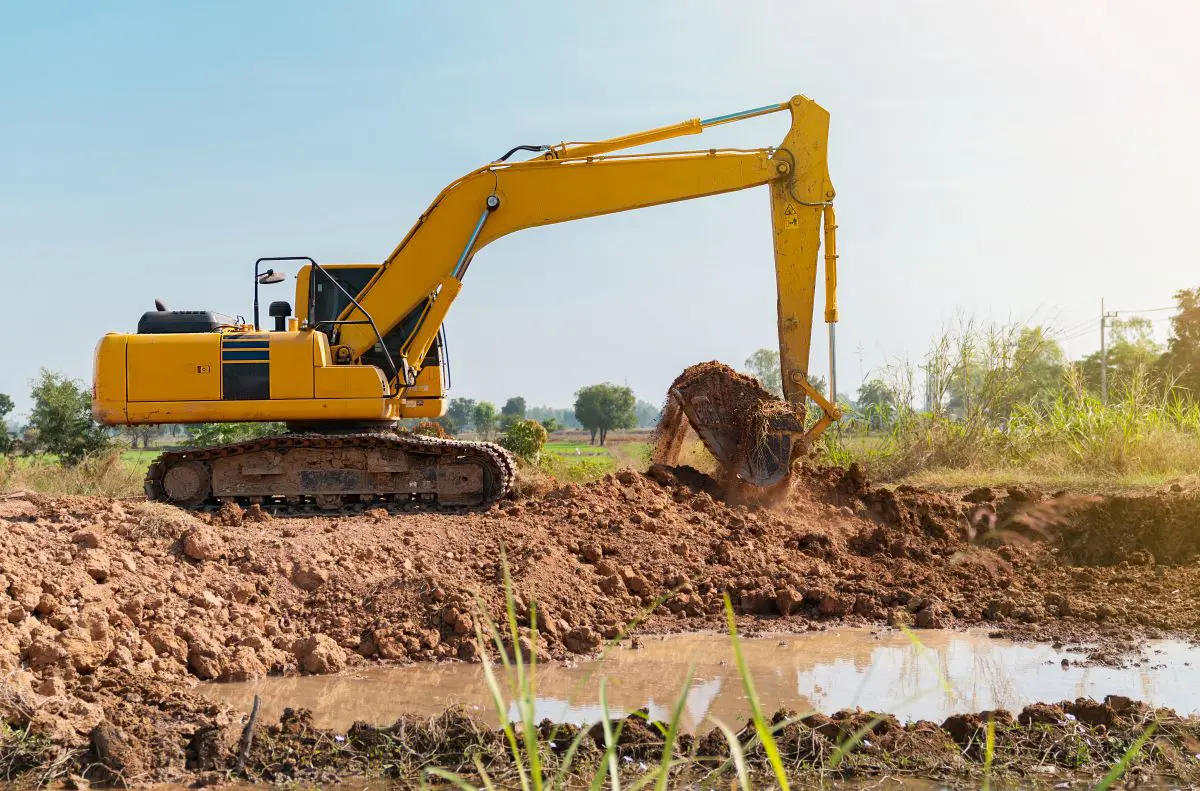
Ponds should be built in areas with natural clay soils. Embankments are commonly constructed from clay material excavated from the basin of a low-lying drainage and placed at a three-to-one slope on the downstream side of the dam. If soils are sandy or gravelly, a pond may never properly hold water and can experience slow leaks—or worse, seepage through the embankment itself. Technical assistance from local conservation staff typically includes soil evaluation to ensure suitable materials exist at the proposed site. Pond construction and engineering can be expensive, but cost-share opportunities may be available, and NRCS staff can help explain those options.
Ponds should have a minimum depth of eight feet in Iowa. This reduces the risk of winterkill if you choose to stock your pond with fish and helps avoid excessive shallow shelves that encourage weed growth.
Plan Your Pond Banks
Once the embankment is built, vegetation must be established immediately. The dam should be seeded with deep-rooted grasses to stabilize the soil. Trees and shrubs should never be planted on embankments, as their roots can create pathways for water to seep through the dam and compromise long-term stability. Riprap along the upstream face of the embankment can help protect against wave erosion, which can be significant on larger ponds during windy conditions. If livestock will have access to the area, fencing the embankment is critical. Cattle traffic and trail formation can damage a dam faster than most natural forces.
Every pond requires an outlet structure to safely pass overflow water downstream. Depending on pond size and engineering complexity, outlet structures can take many forms. The simplest design includes an emergency spillway—a designated low area along the embankment set a few feet below the top of the dam. Many ponds also include a horizontal pipe placed through the embankment at the desired normal pool elevation, allowing excess water to flow safely through the dam. Larger ponds, wetlands, and small lakes may utilize adjustable outlet structures with stop logs, allowing landowners to manually control water levels. These systems are more complex and costly but offer greater flexibility in water management.
Some pond designs may call for a sediment forebay or settling basin. These features are built on the upstream end of a pond to allow sediment and debris to settle out before entering the main basin. Forebays can be especially important in agricultural watersheds and can greatly extend the lifespan of a pond.
Pencil in Habitat & Structure
Flooding an old timbered ravine often results in a few standing trees being left partially or fully submerged. These trunks can provide excellent habitat for fish, waterfowl, and other aquatic species. Additional habitat may include large boulders or structural features placed in deeper areas of the pond basin before excavation is complete. Prior to filling, landowners may also want to install artificial fish habitat. There are many proven options available, but it’s important to document their locations with photos or maps before water obscures them.
Maintenance
Regular maintenance and inspection are required after a pond has been established. Walk the dam regularly and look for wet spots, which may indicate leaks or seepage. Muskrats and beavers can damage embankments and outlet structures and should be managed promptly. Mowing the dam helps control weeds and woody vegetation so the embankment remains visible. If erosion is observed, affected areas should be smoothed and reseeded with appropriate grasses.
Building a pond is an exciting and rewarding project. Keep in mind that contractors typically price jobs based on the total volume of material moved, making site selection one of the most important decisions in the process. Understanding what a pond needs to function properly will help you choose a location that provides decades of enjoyment and lasting memories around your own aquatic oasis.
April 2026
By Lane Rummelhart