Reflections on Deer Season
Reflections on Deer Season
Hunting season, for us, is more than just chasing whitetails or birds; it’s our escape button. It gives us a much-needed chance for escape and an opportunity to connect with God, nature, as well as friends and family. Hunting is how we finally slow down, take a solid break from the office grind, and ditch the electronics.
My first memories in the timber aren’t solitary, they’re crowded. I learned the ropes by tagging along with Dad, Grandpa, and the uncles. Those hunts were memorable, and some I wish to relive. They’re full of crunching boots, and a constant flow of shared stories and priceless lessons. I wasn’t just learning to hunt; I was learning woodsmanship skills, how to read a subtle wind shift, and how to respect Hunting is a deep-rooted tradition that I’ve focused my life around.
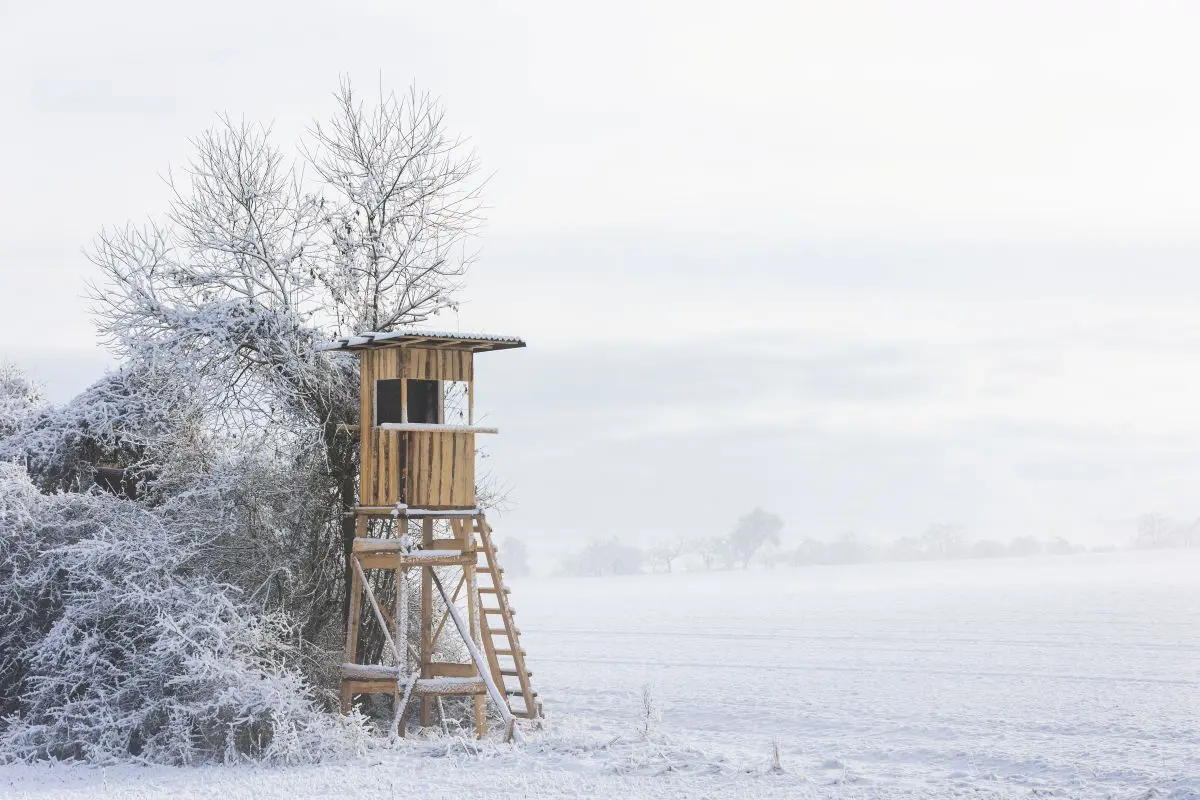
As the years passed and I started hunting solo, the experience changed. Suddenly, I was truly forced to engage with the environment, and with my own head. This is where I find peace, I turn the phone off, park the truck, and climb into a cold, quiet stand. That silence while enjoying a sunrise is good for the soul. Even though I truly enjoy hunting, I would never miss the opportunity to go hunting with my family.
Now, I’m the one guiding my five-year-old son out there. The hunt isn’t about the harvest anymore; it’s about sharing that simple wonder. I love watching him learn and focus on the small stuff: the way the frost crunches underfoot, the spider’s web catching the first morning dew, or the sound of two hoot owls. The biggest win of the day is exploring nature and his curiosity, proving that the real tradition we pass down isn’t the shot, but the gift of stillness. Hunting remains the essential quiet reset, grounding us back into the slow, intentional reality our grandfathers knew so well.
The Irreplaceable Resource: Time
This whole reflection throws one thing into sharp relief: you can’t buy back time. The years I spent in the blind with my own father are now finite, perfect memories, and watching my son grow reminds you that childhood passes way too quickly! That realization forces you to prioritize family, especially our kids, and make time for those essential relationships with your friends. For me, the tightest bonds are with my friends and family that I’ve hunted with.
The woods sharpens this focus; it compels us to trade hours wasted scrolling on a screen for moments shared in the open air. Whether it’s a quiet sit with your boy or a Saturday pheasant hunt with your buddies, it creates a strong, deep connection that’s impossible to replicate inside four walls. It’s the necessary kick in the pants to put down the saw, turn off the engine, and make those memories before the chance is gone.
Turning Reflection into Action
That quiet time in the stand isn’t just for contemplation—it’s for planning. In those moments of clarity, I always land on the same thought: If I could do it over, I would start Timber Stand Improvement (TSI) immediately. From a hunter’s perspective, TSI is just forestry talk for getting rid of the junk trees like the thorny locust and cottonwoods, to let sunlight hit the dirt. That sunlight forces beneficial new growth, creating the dense, low-level browse that deer need for high-quality food and the thick, impenetrable cover they need for bedding. It turns a dead spot into prime deer habitat. You need some basic tools: a good chainsaw or pole saw and and a bottle of stump-treatment herbicide to ensure those undesirable thorn trees don’t simply re- sprout.
We also need to improve our open areas with structural plantings like Native Warm Season Grasses (NWSG). It’s fantastic for the birds and this stuff is a game-changer for fawning and thermal cover, but it requires patience. You’re signing up for a three-year commitment. The first year, you’re mostly fighting weeds, battling annuals trying to choke out your tiny seedlings. On the second year of establishment, the NWSG is focused on growing deep root systems. Finally on the third year, you see that tall, beautiful, insulating stand of cover you worked for.
The take-home lesson here is simple and applies to everything: habitat work is slow work, so the only way to get to that payoff is to start now, not later. Go plant those oaks, chestnuts, and fruit trees this spring. You’ll have to wait several years to see a mature tree dropping mast, but the annual ritual of planting is its own reward, connecting your reflection on the past season to the legacy you’re building for the future.
When the season wraps up and the gear is put away, the real takeaway isn’t the weight of the harvest, but also the clarity you gain. This stillness reminds you that the clock is running out, not just on your chance to tag a big buck, but on those irreplaceable years with your kids and the vital hours spent with your buddies. The beauty of this whole tradition is that the reflection in the stand leads directly to the shovel and the seed bag. You realize that investing in your family and friends is just as essential as investing in the land. So use this off-season not just to rest, but to plan. Get that TSI list made, order those native grass seeds, and most importantly, pencil in those trips with your son. The time for both stewardship and genuine connection is always right now.
By Steven Morgan
For the Issue of the Iowa Sportsman January 2026, check it out below.
For Industry News in the Cattle and Dairy Industries