
Waterfowl Hunting Tips for Beginners: 5 Ways to Start
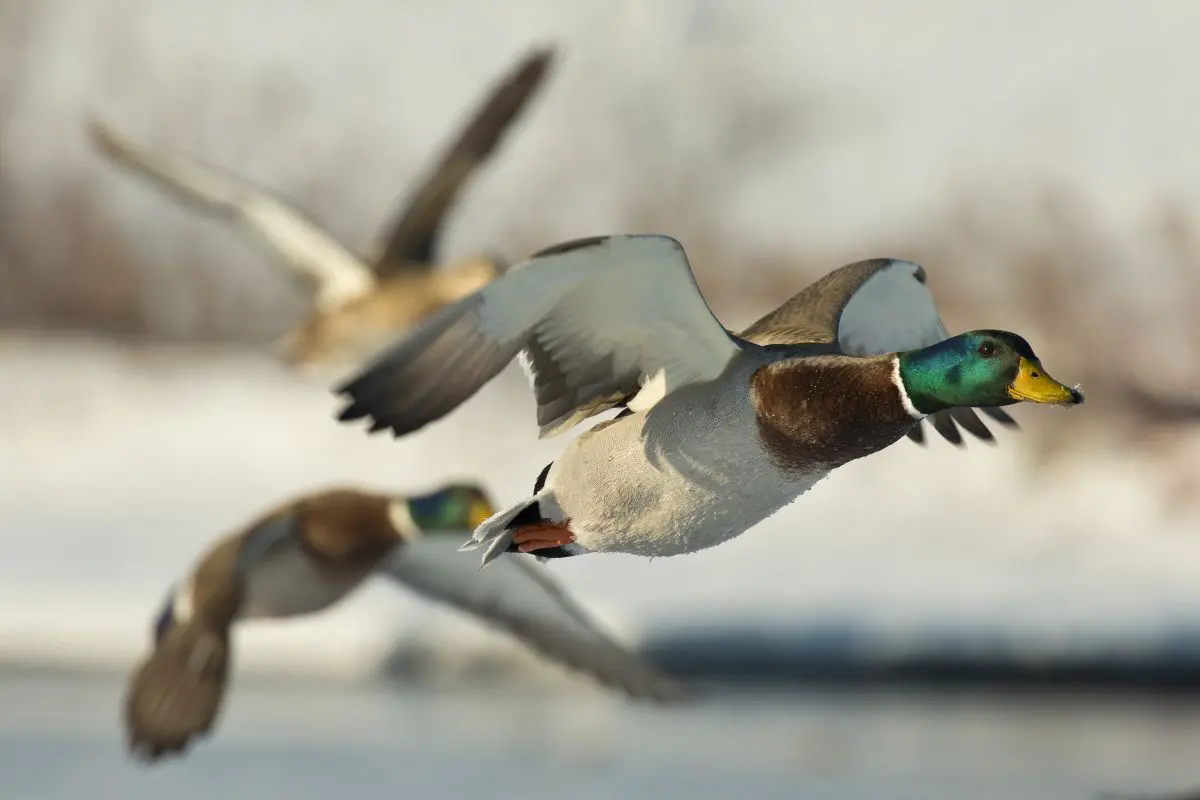
5 Tips for New Waterfowl Hunters
I didn’t get into waterfowl hunting until I was an adult. I’d grown up around the outdoors and was a deer hunting addict, but waterfowl were never part of the picture. That changed about 10 years ago, the year a couple of my co-workers, die-hard waterfowl guys, invited me to waterfowl hunting for the first time, introducing me to what would become my favorite waterfowl hunting tips for beginners experience.
We left long before daylight, hauling decoy bags, shotguns, blind material, and thermoses. “You’ll never forget your first morning out here,” they told me.
We set the decoys and waited for the world to wake up, enjoying the sun rising. Soon, the first group of birds came low and fast, wings cutting the air with that unmistakable sound I’d only ever heard on TV. The guys barely moved, just a few soft calls, a subtle shift in posture. The birds swung wide, circled once, then locked up over the spread.
They were coming in, and I shouldered my shotgun, heart pounding, and pulled the trigger. I missed my first bird. I would have another chance, though. After a little while, another group of birds came in. This time, I shouldered my 12-gauge shotgun, focused on one, followed it, and swung through as I pulled the trigger.
I for sure hit that one, and it folded to the water.
The rest of the morning blurred together in a mix of cold fingers, missed shots, and bursts of adrenaline. Some birds flared before we ever had a chance. Others came in so close. As the morning began to slip away, the birds quit coming in, and it was over way too early.
I replayed the morning over and over in my head, the sound of wings, the first bird dropping, the quiet moments in between. As an avid deer hunter, I see why people get addicted to waterfowl hunting, too. It was a different kind of hunting, but an unforgettable experience.
Beginner Waterfowl Hunting Tips
Since that initial trip, I’ve gone out several times, each time learning a little more than the previous time. For newcomers, getting started can feel overwhelming. Between gear, setups, and strategies, it’s easy to think you need it all figured out on day one. The truth is, you don’t. Some of the most successful waterfowl hunters built their skills on simple setups and lessons learned in the field. If you’re just getting started, these five tips will help you build a strong foundation and enjoy the hunt from the very beginning.
Start Where the Birds Want to Be
Success in waterfowl hunting often begins long before opening morning. We were successful that day because my buddies had put in the time to figure out where the birds were coming from and going to.
Scouting is everything. Instead of guessing where birds might show up, spend time watching where they already are. Early mornings and evenings are prime times to glass fields, ponds, and marshes. Look for consistent flight patterns and where birds are feeding or resting.
Across Iowa and much of the Midwest, you don’t need big water to find birds. Small wetlands, flooded ditches, and sheet water in harvested fields can all attract ducks and geese. Starting small not only increases your chances of success but also keeps things manageable as you learn.
Keep Your Gear Simple
One of the biggest misconceptions for new hunters is that success depends on having top-of-the-line equipment. While high-end gear has its place, it’s far from necessary when you’re starting out.
A dependable shotgun is a must. Whether it’s a 12 or 20 gauge, grab what is comfortable to you. Most public places require non-toxic shot, so shoot whatever gun with your hunting ammo so you have a feel for the pattern and how it shoots. I strongly recommend having a pair of waders or waterproof boots, some basic camouflage, and a modest decoy spread, and you’re ready to hunt. A dozen to two dozen decoys is more than enough to begin with.
Comfort should be your priority. Staying warm and dry will keep you in the field longer, and time in the field is what ultimately leads to success.
Master Concealment First
If there’s one skill duck hunters focus on, it’s the ability to stay hidden. Ducks and geese have incredible eyesight, and even the smallest movement can send them flaring.
Use natural vegetation like cattails, grasses, or crop stubble to break up your outline. Position yourself in the shadows whenever possible, and keep movement to a minimum. Face masks and gloves help conceal exposed skin, which can stand out more than you think.
Before worrying about calling or fancy decoy spreads, focus on blending into your surroundings. If birds don’t see you, you’re already ahead of the game.
Set a Simple, Effective Decoy Spread
Decoy spreads don’t need to be complicated to work. In fact, simple setups are often more effective. Start with a basic “U” or “J” pattern, leaving an open pocket where you want birds to land. Always set your decoys with the wind in mind, as ducks and geese typically land into it. This natural approach helps guide birds right into your shooting lane.
Pay attention to spacing as well. Decoys that are too tightly grouped can look unnatural, while a little separation creates a more realistic appearance on the water or in the field.
Call Less, Watch More
Calling is one of the most exciting parts of waterfowl hunting, but it’s also one of the easiest ways to make mistakes. Many new hunters fall into the trap of calling too often or too aggressively.
In reality, less is more. Start with simple quacks or clucks and use them sparingly and mainly to grab attention or turn birds that are drifting away. When ducks are already committed and working your spread, it’s often best to stay quiet and let them finish.
One of the best ways to improve is to listen. Pay attention to how real birds sound and respond, and let that guide your calling in the field.
Building the Foundation
Every experienced waterfowl hunter started exactly where you are now by learning through trial, error, and time spent outdoors. By focusing on scouting, keeping your gear simple, staying hidden, and using realistic setups, you’ll put yourself in a position to succeed early.
Additionally, consume articles, podcasts, and watch hunting shows to get a feel for how experienced hunters tackle waterfowl hunting. This year, the 2026 Delta Waterfowl Expo is going to be in Des Moines, Iowa. No matter your experience level, this will be a great event to connect with experienced professionals in the waterfowl space.
At the end of the day, though, there is nothing that can replace experience, so go out and spend some mornings hunting some birds. More importantly, you’ll start building the skills and instincts that make waterfowl hunting so rewarding.
June 2026
By Shannon Rivers
Give us a Follow on Facebook to Keep up to date on New issues and more!